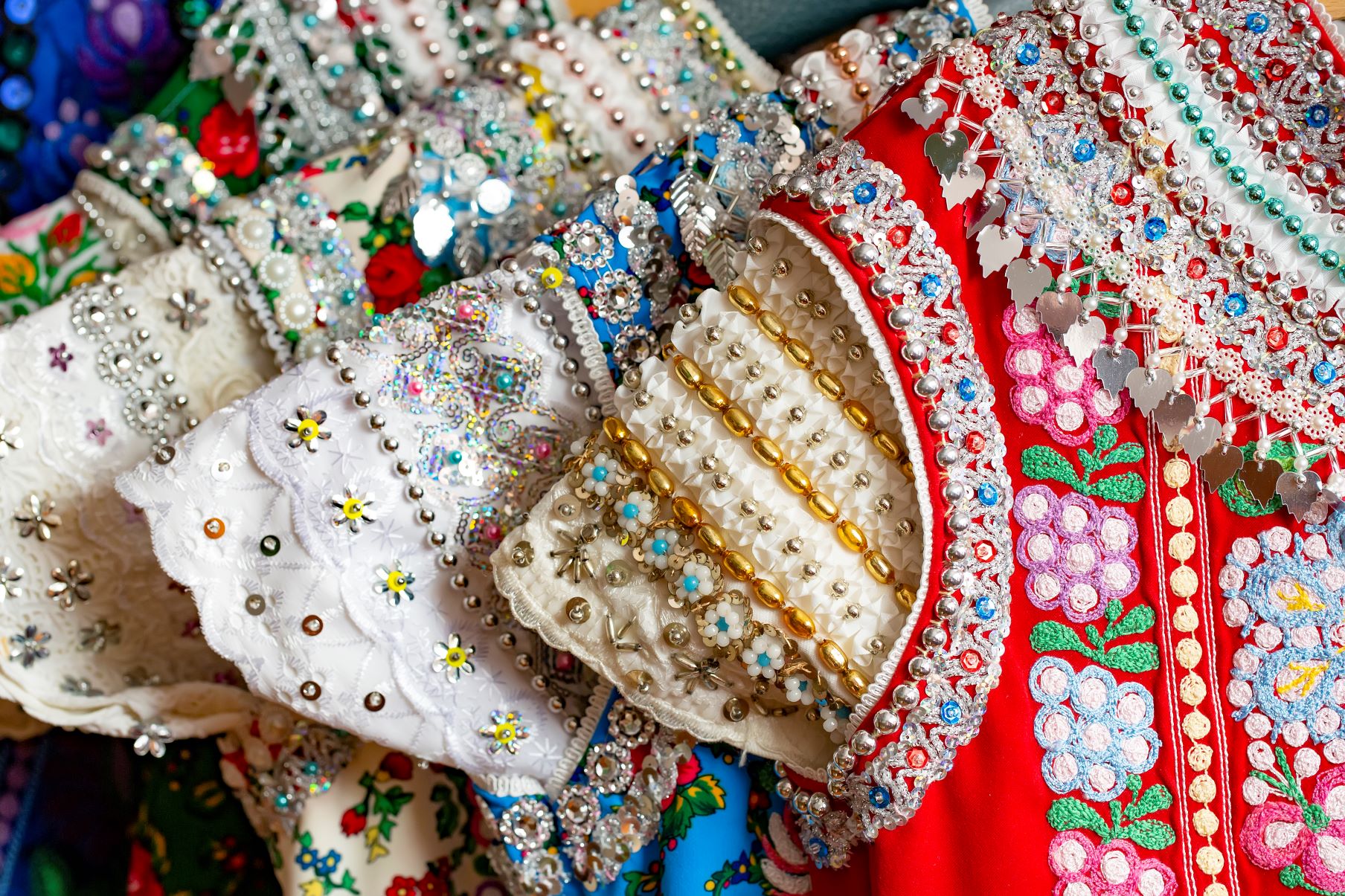
Those who know them know that they never use the word “teraz” (now). They have always said only “čiľ or čilej”, for which they rightly earned the name “Čilejkári”. But it’s not just about the special dialect, butcustoms, songs, folk literature, traditions and magnificent costumes as well. This region is unique in that it developed and has been preserved only in a very small area – the Čilejkári area consists of just nine villages (Starý Tekov, Hronské Kľačany, Veľké Kozmálovce, Tlmače, Hronské Kosihy, Rybník, Čajkov, Podlužany and Nová Dedina), making it probably the smallest coherent and folklorically uniform area in Slovakia.
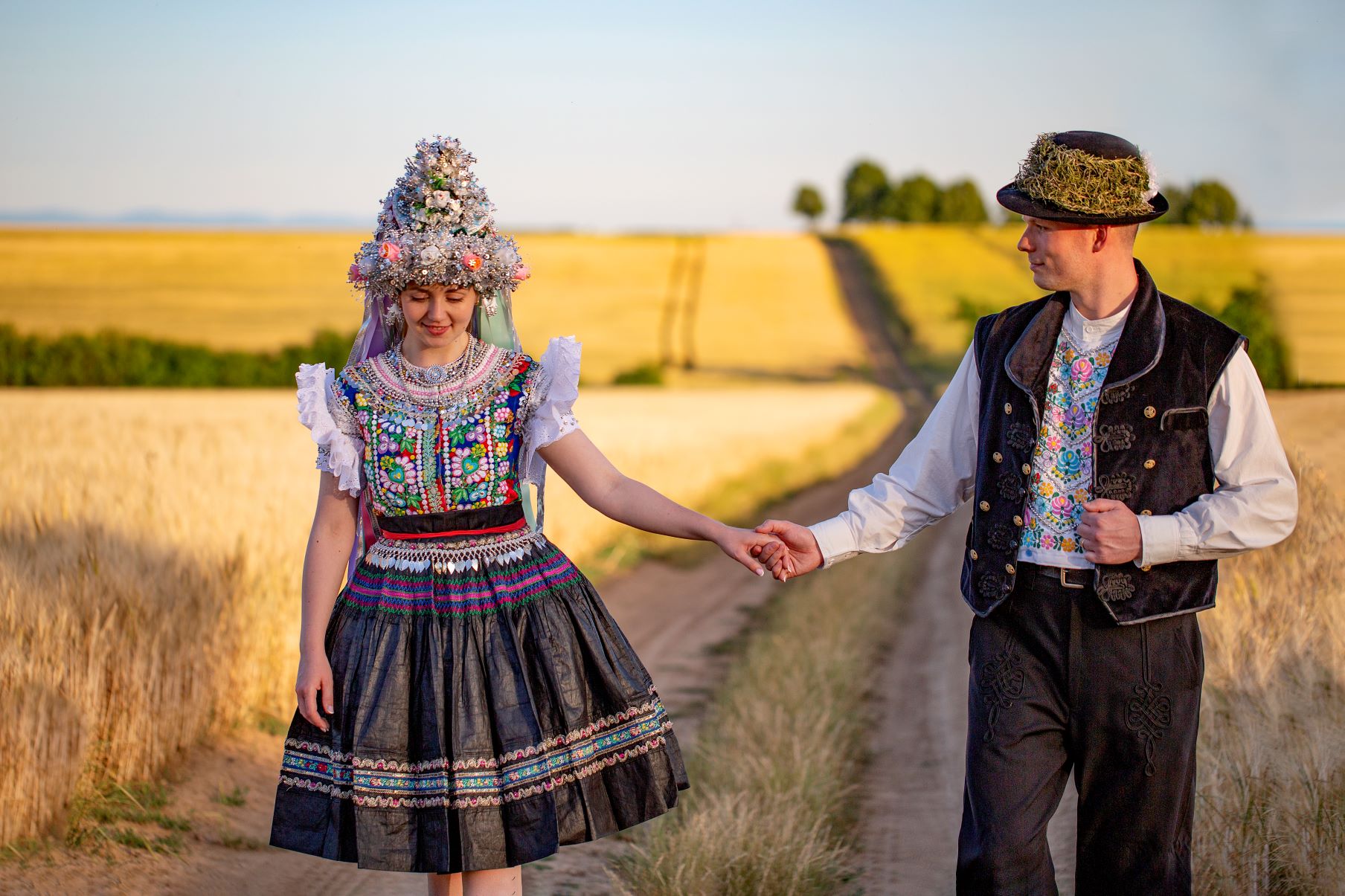
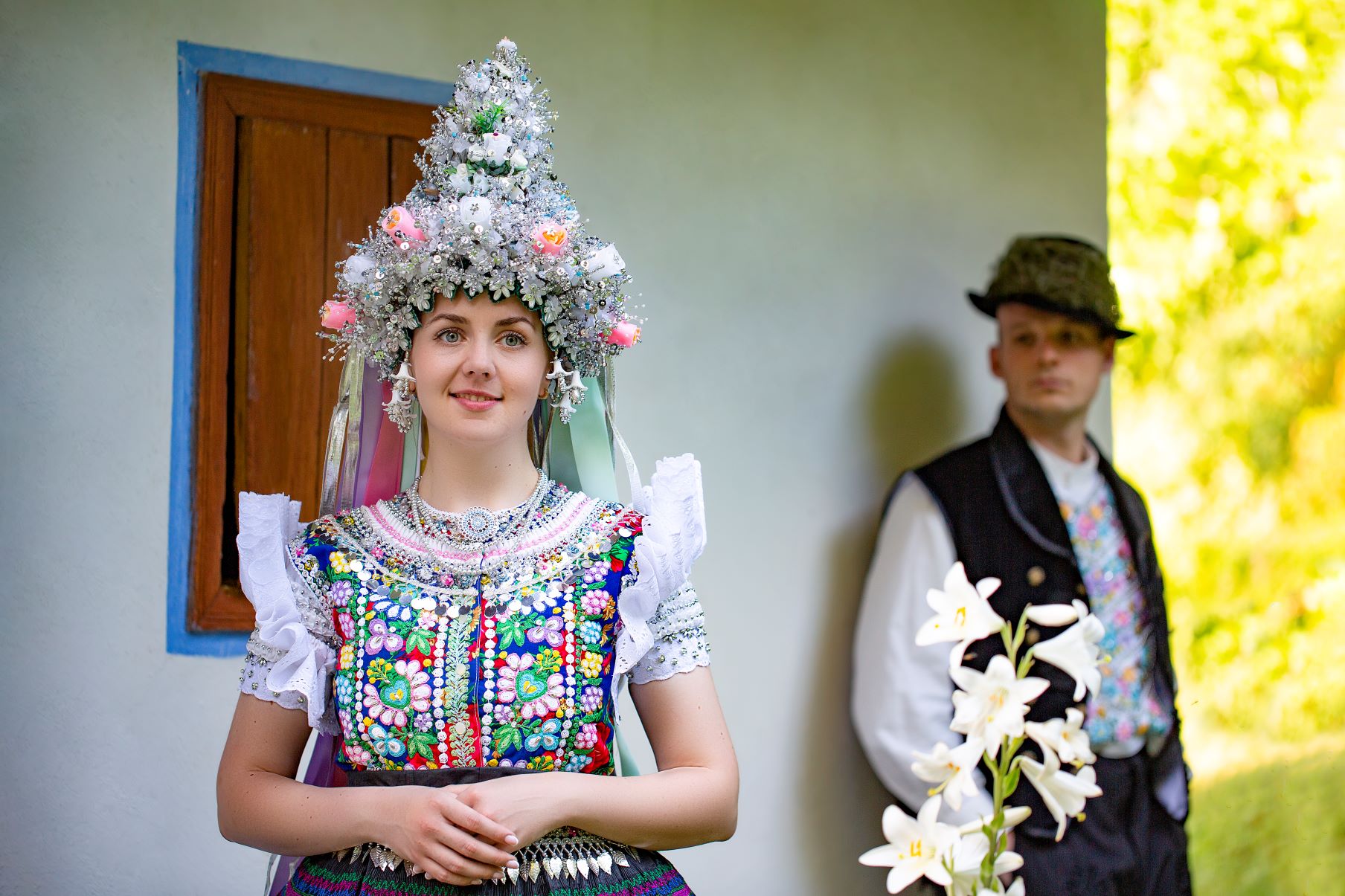
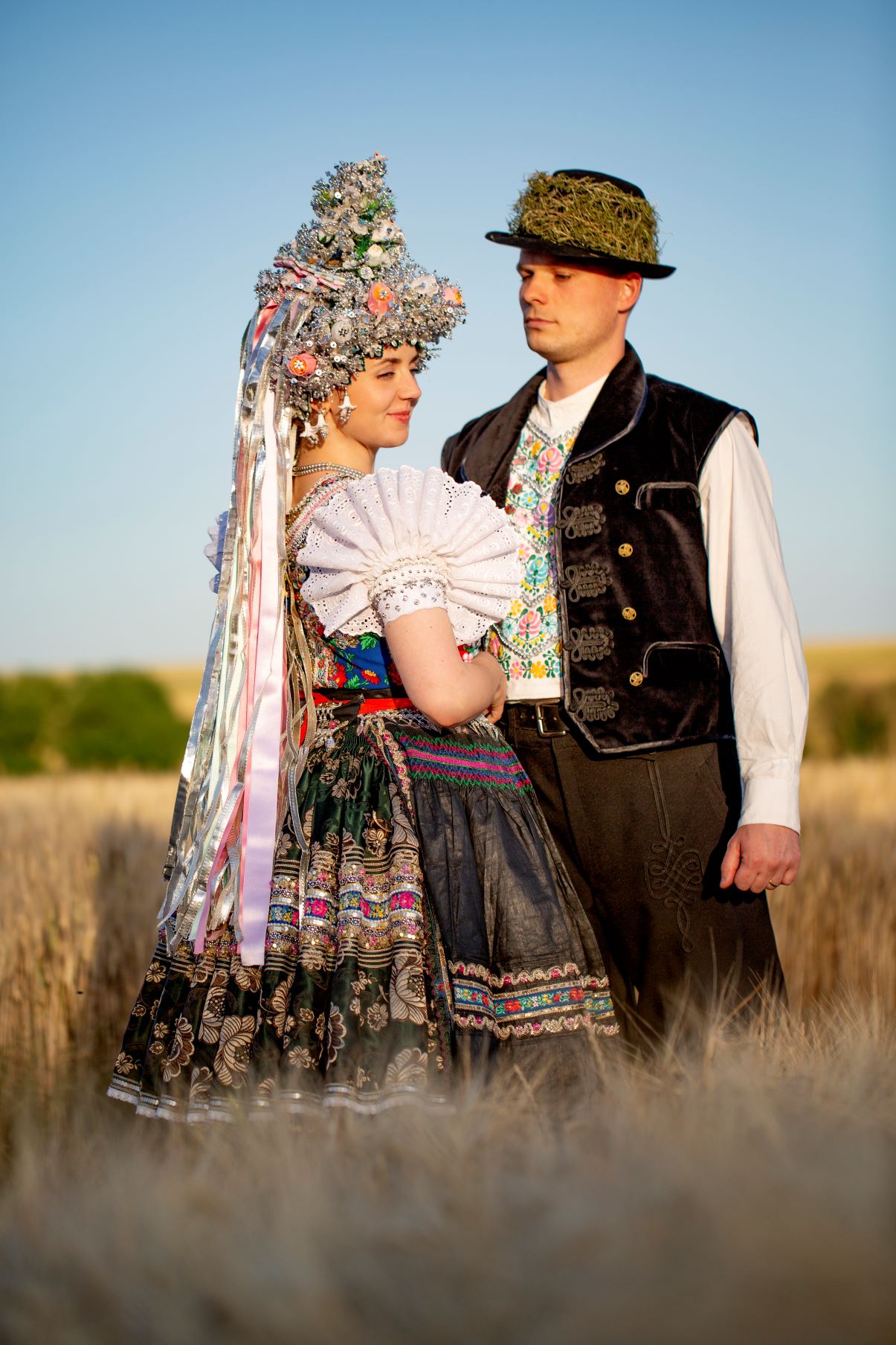
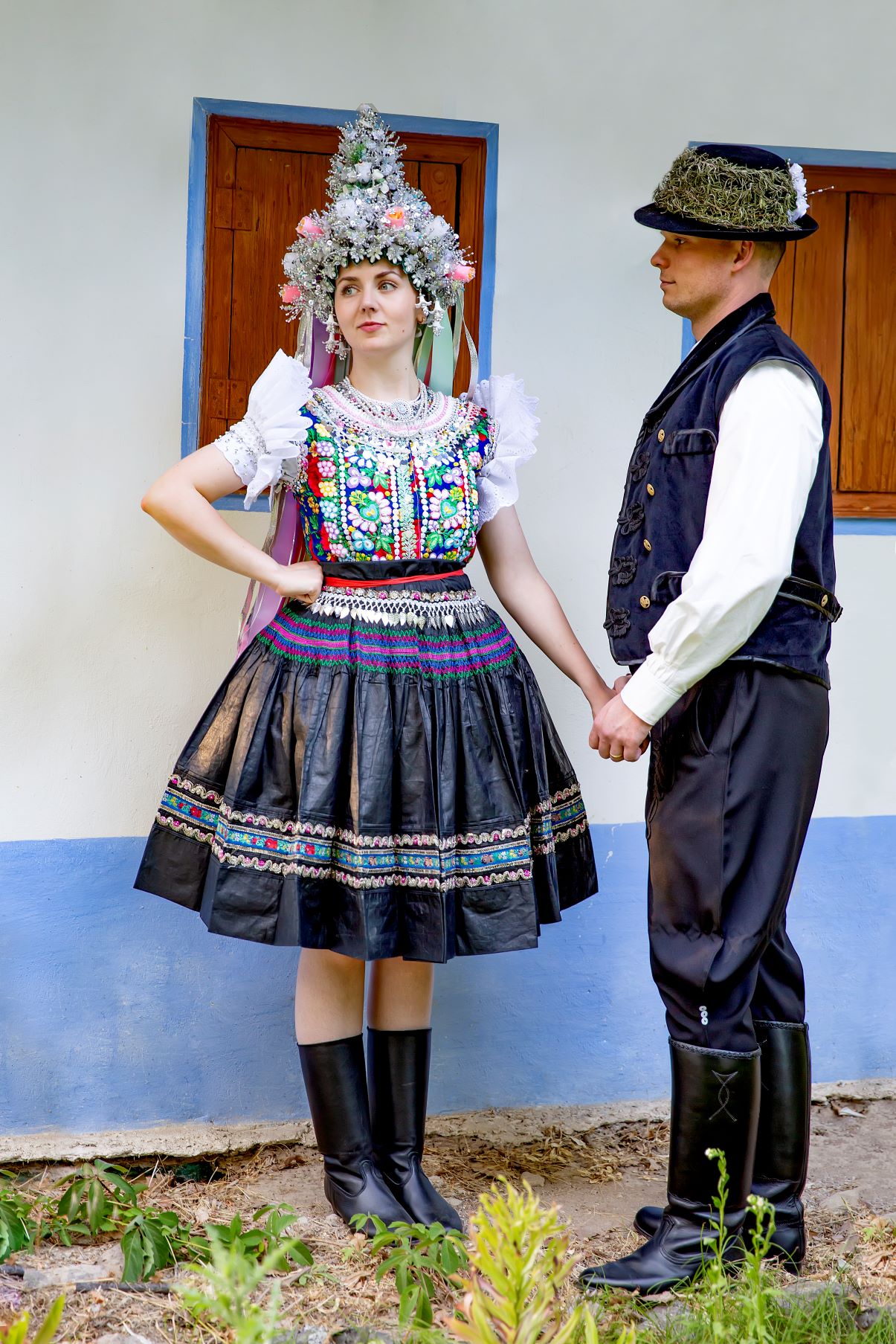
The women’s costume is exceptional above all; its decoration has undergone many changes and variations over the last two centuries. While black, white and blue colours, as well as petticoats with shoulder straps, dyed aprons and “šíková” (pleated) skirts prevailed at the end of the 19th century, after the First World War the costume came vividly to life in colour.
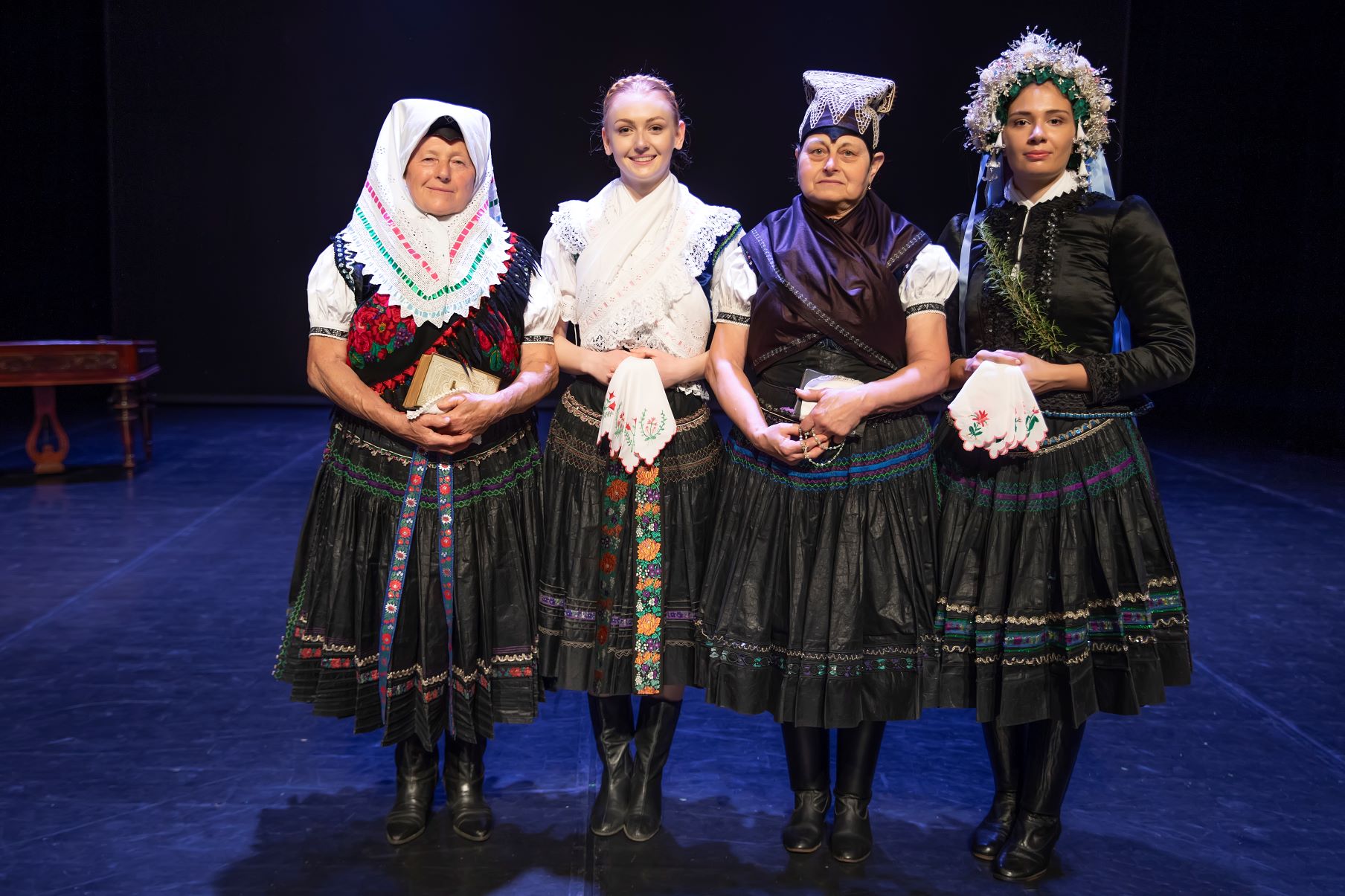
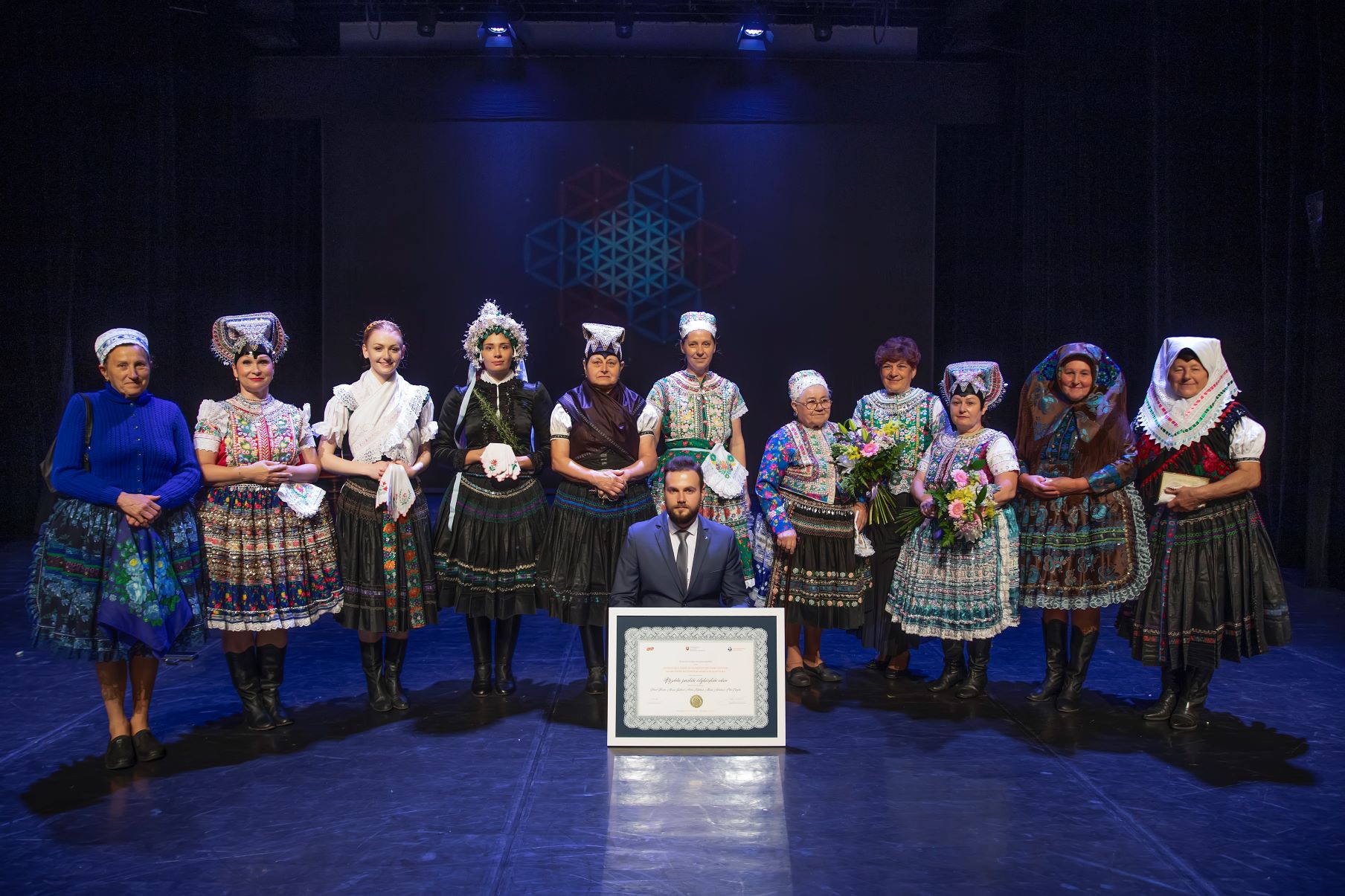
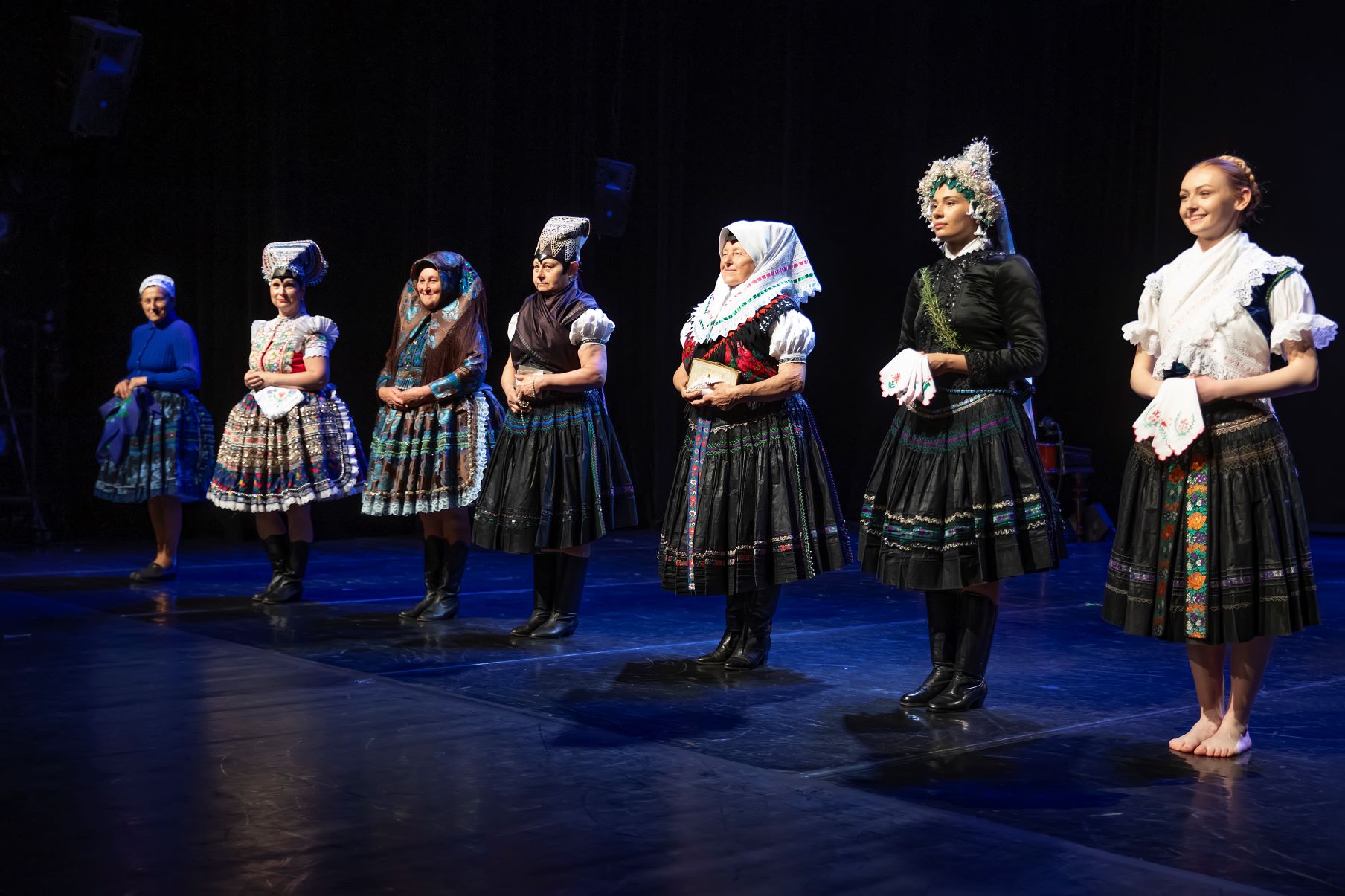
Skirts began to be lined with paper, and the decoration and shape of the horned cap (čepiec) of a married woman changed, as did the adaptation of the costume to different occasions during the year. The colourfulness is linked mainly to the boom in factory mass production of fabrics, which were imported mostly from the USA, where many Čilejkári left en masse to work. That is why in Nová Dedina and Čajkov they are still called “Amerikáni” (Americans) today.
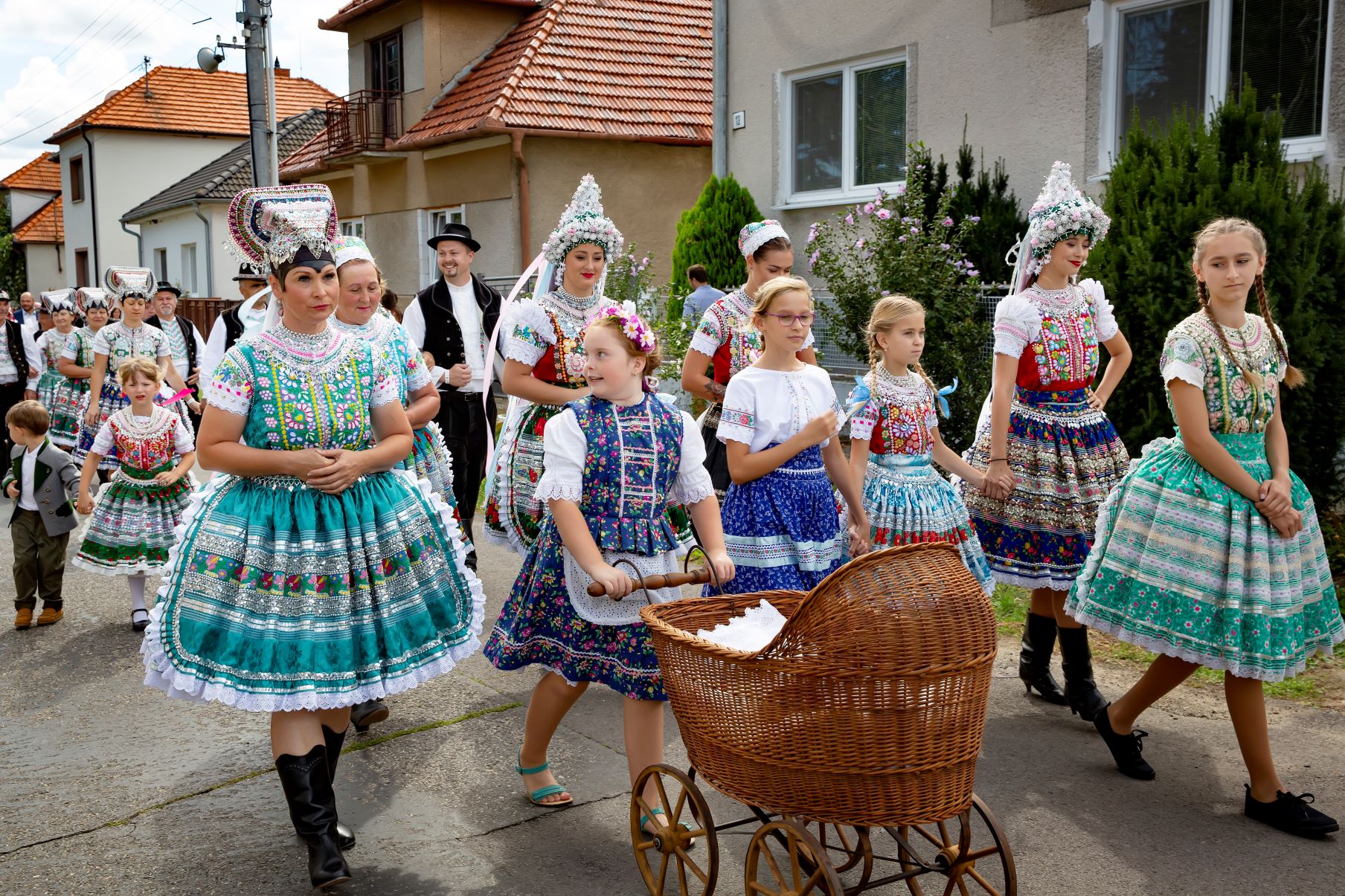
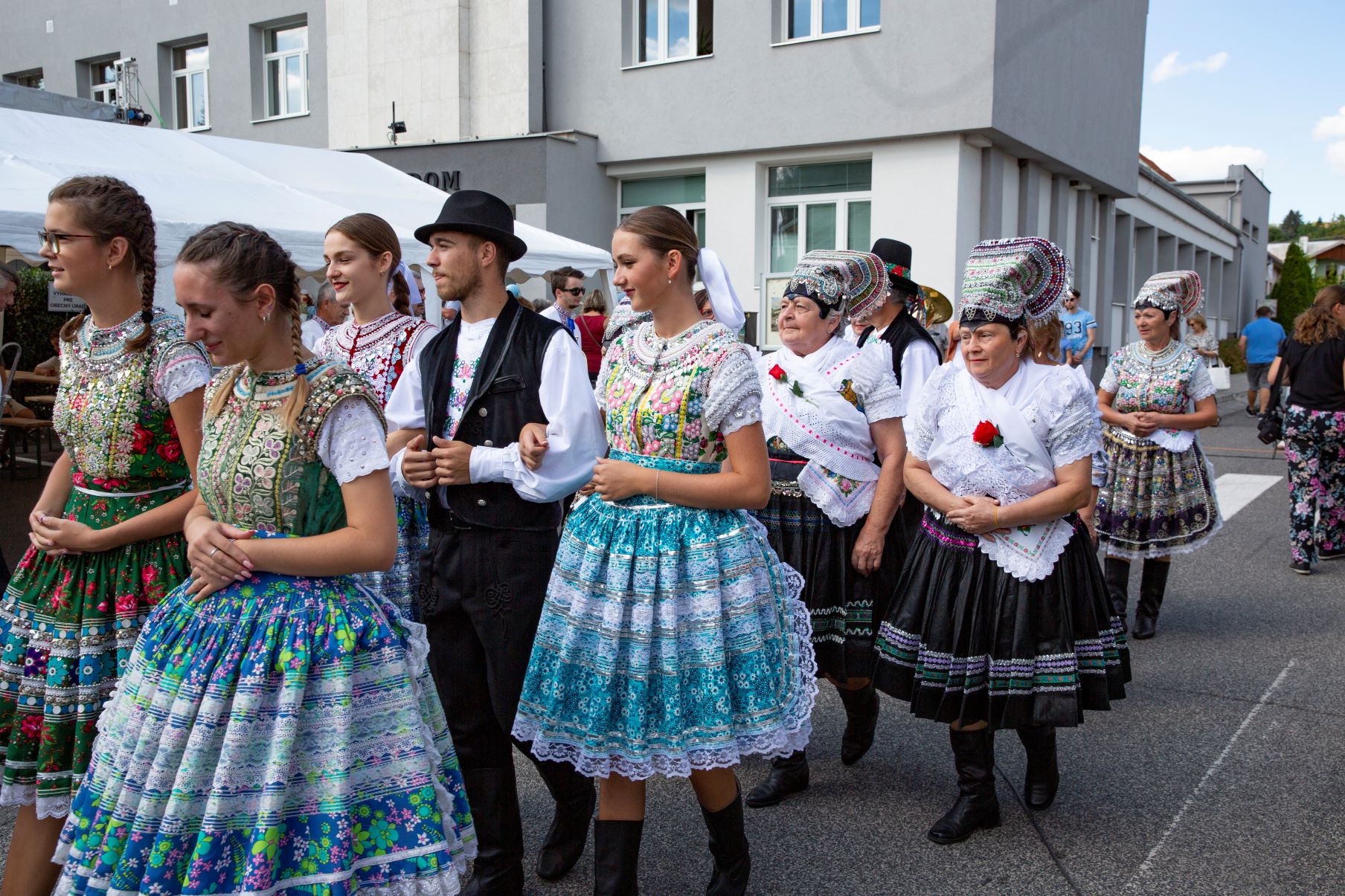
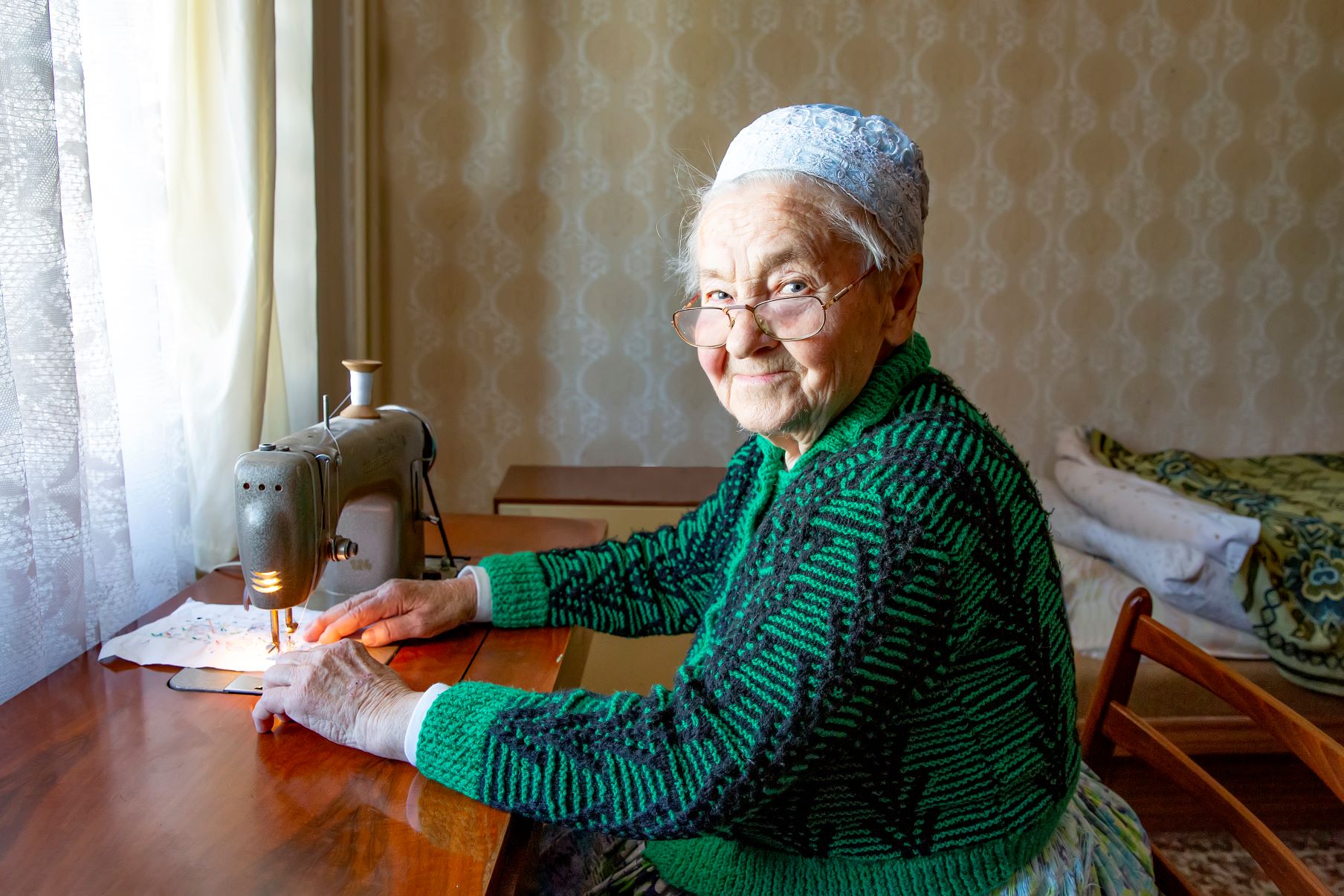
But it wasn’t only the colours that came to life – the decoration of the women’s costume literally “gained weight” thanks to beads, specially braided decorations, sequins, bling pieces, lace and ribbons. Particularly unique is the special machine embroidery of the costume, which is drawn on paper, backed with fabric and embroidered onto it from the reverse side. In practice this means you see the result of your work only once it is finished. Moreover, the machine embroidery is done on a sewing machine with a classic foot-pedal drive, because it demands precision, accuracy and slower movements.
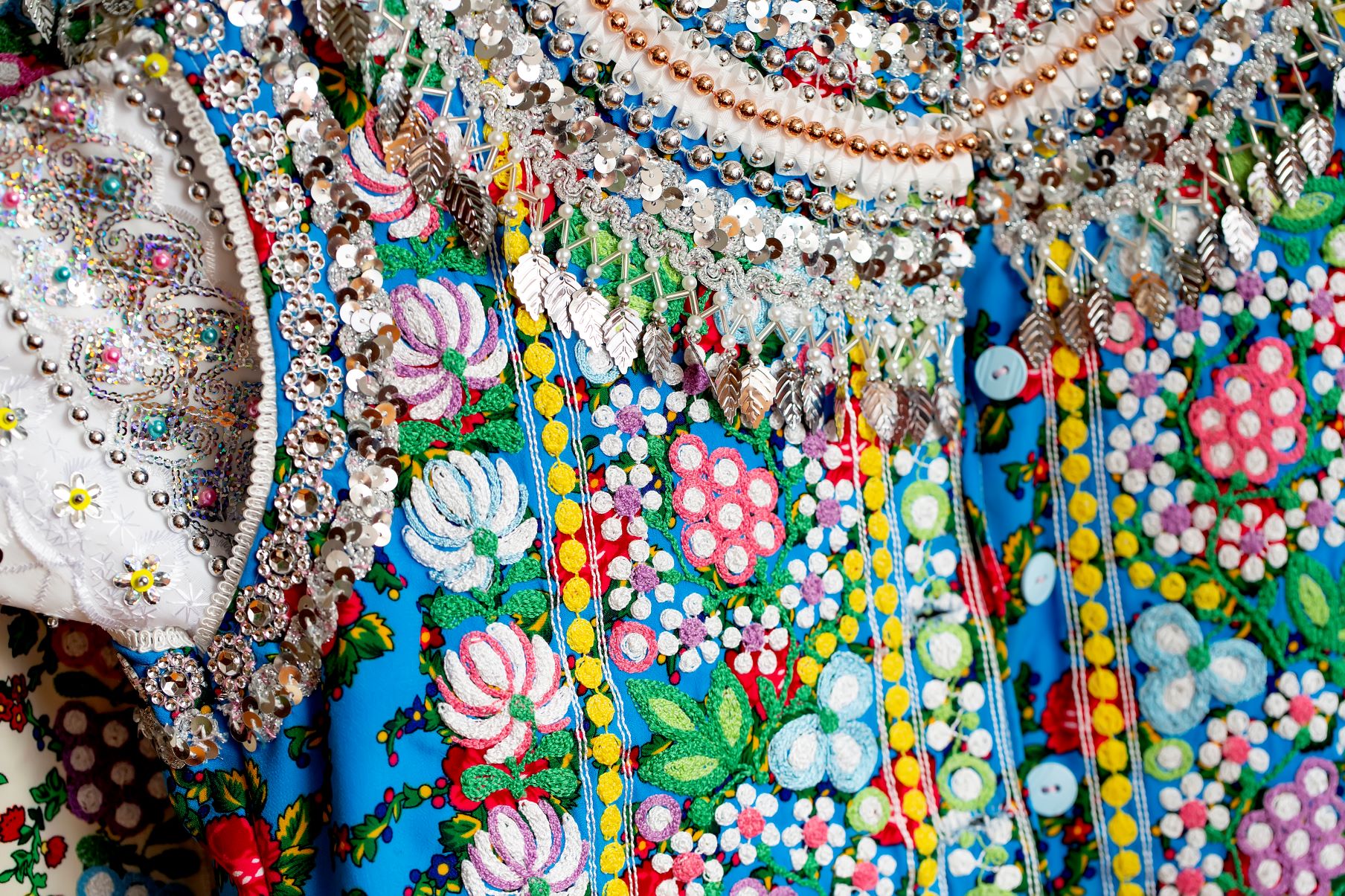
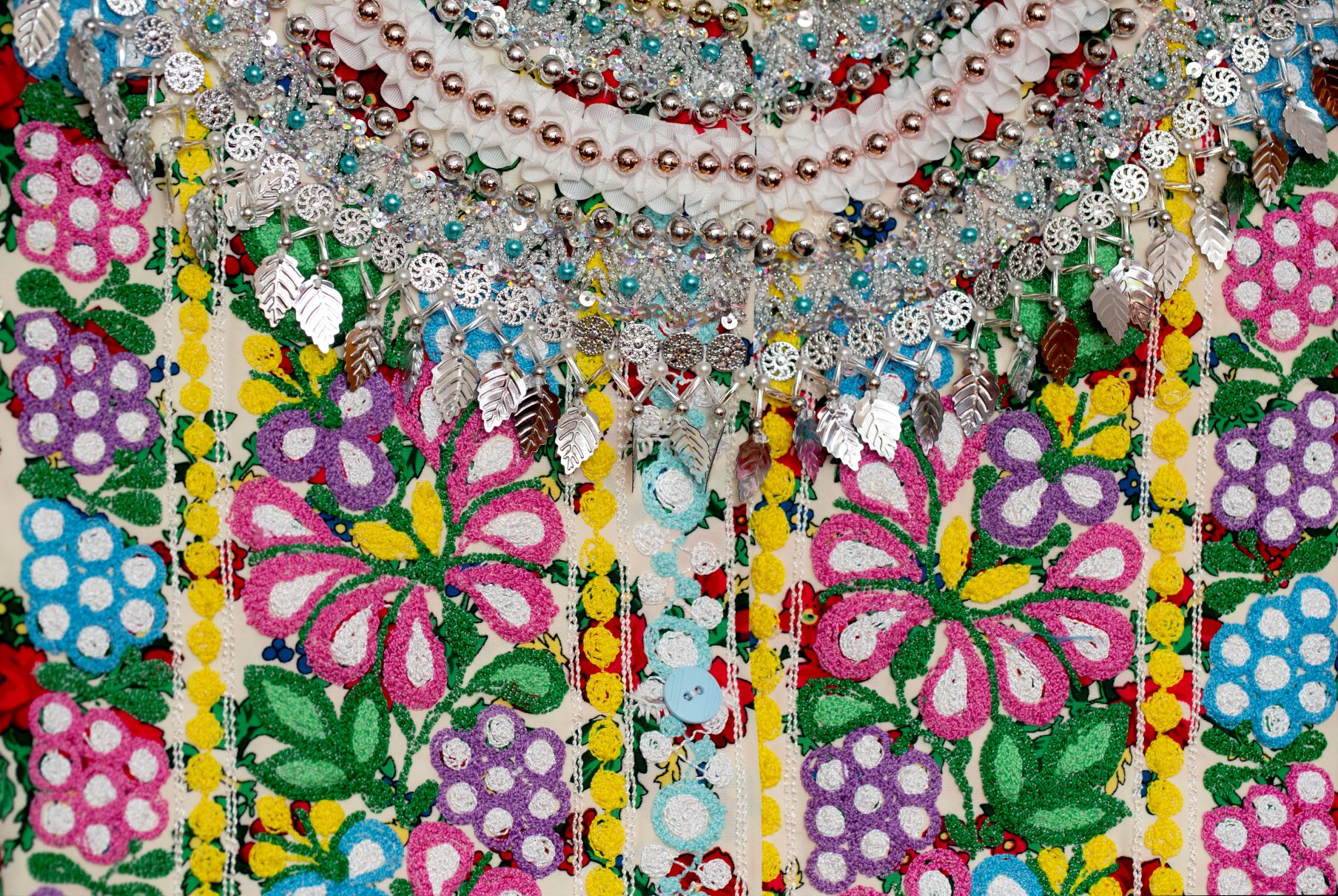
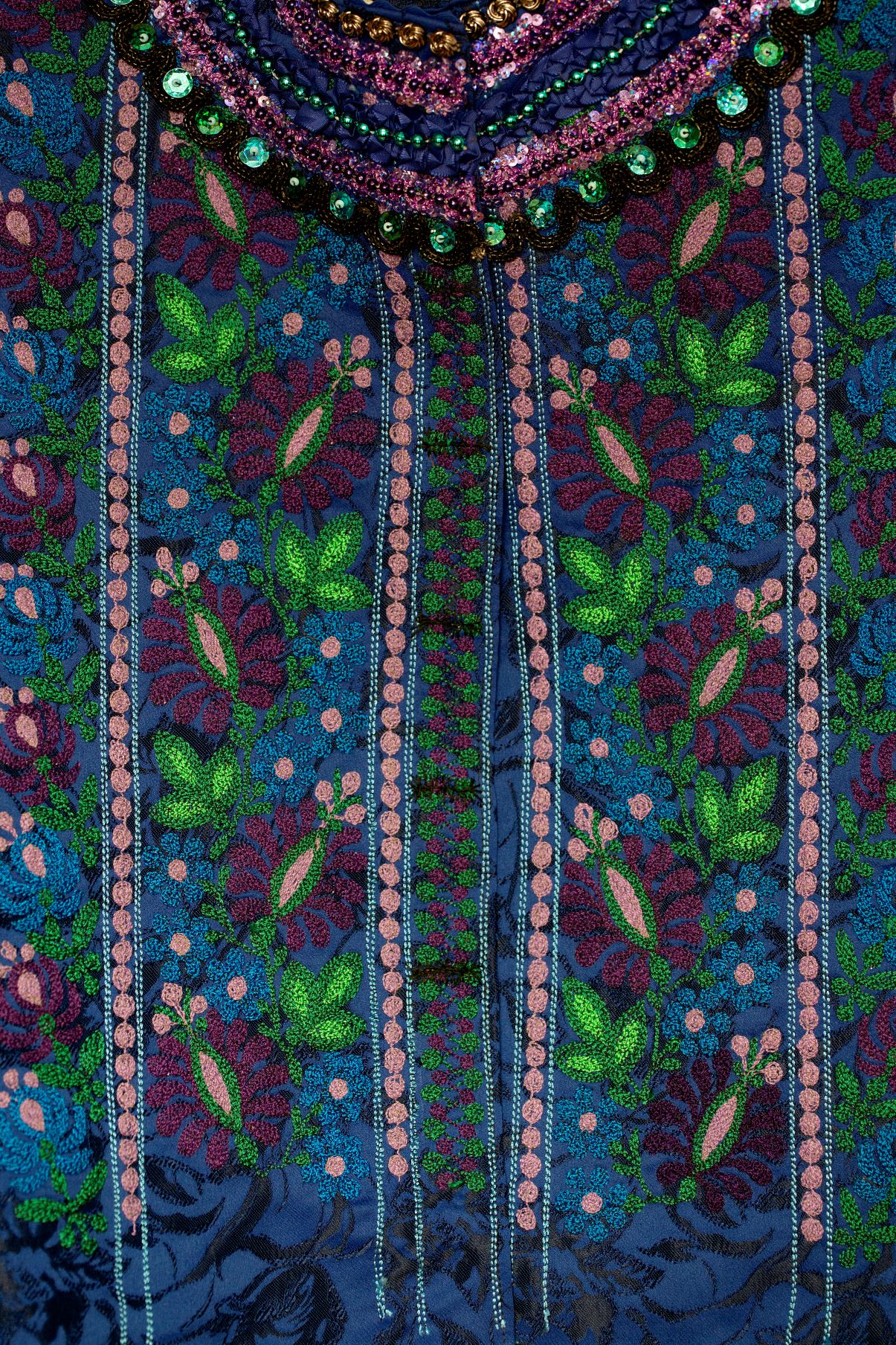
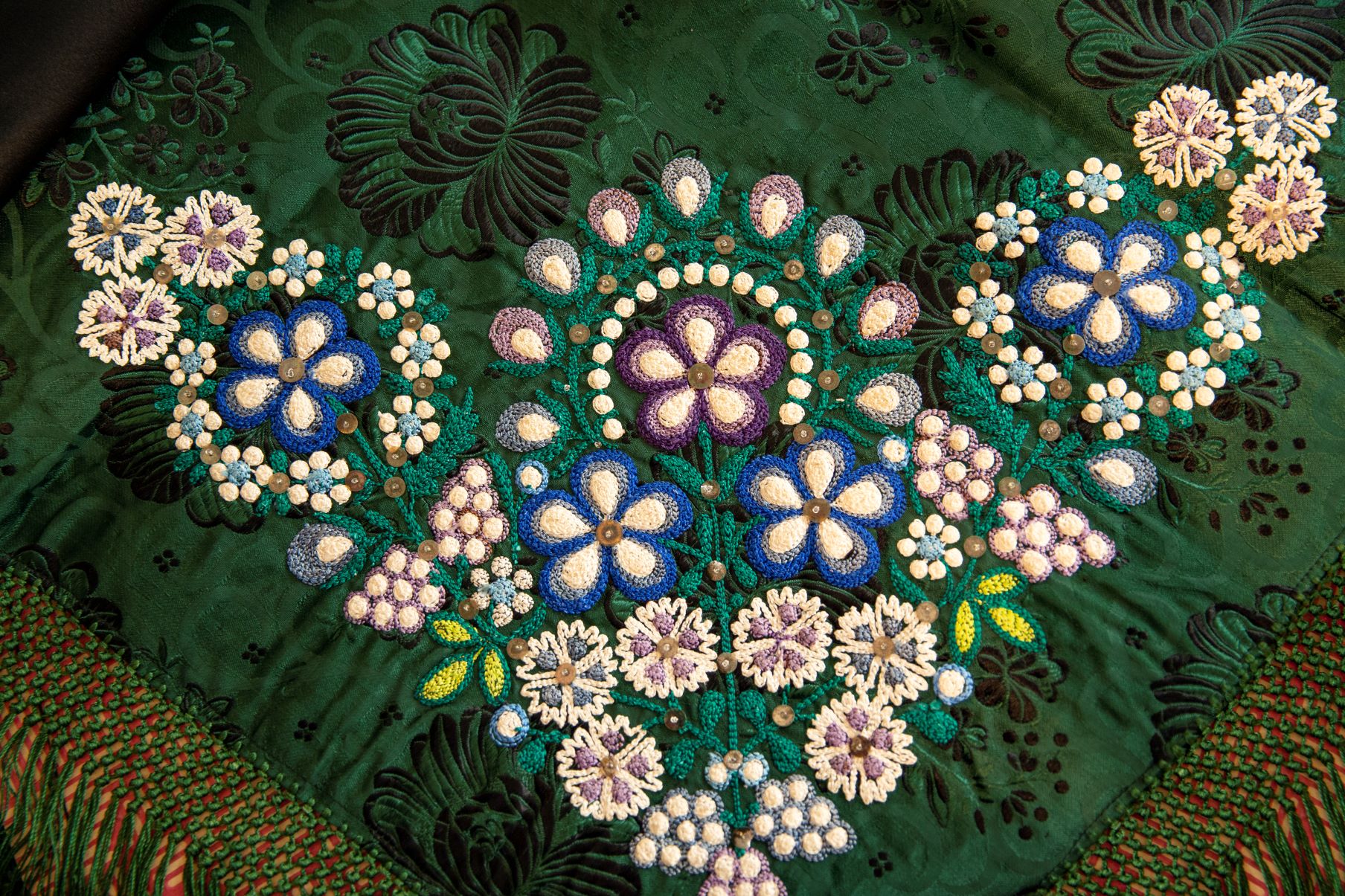
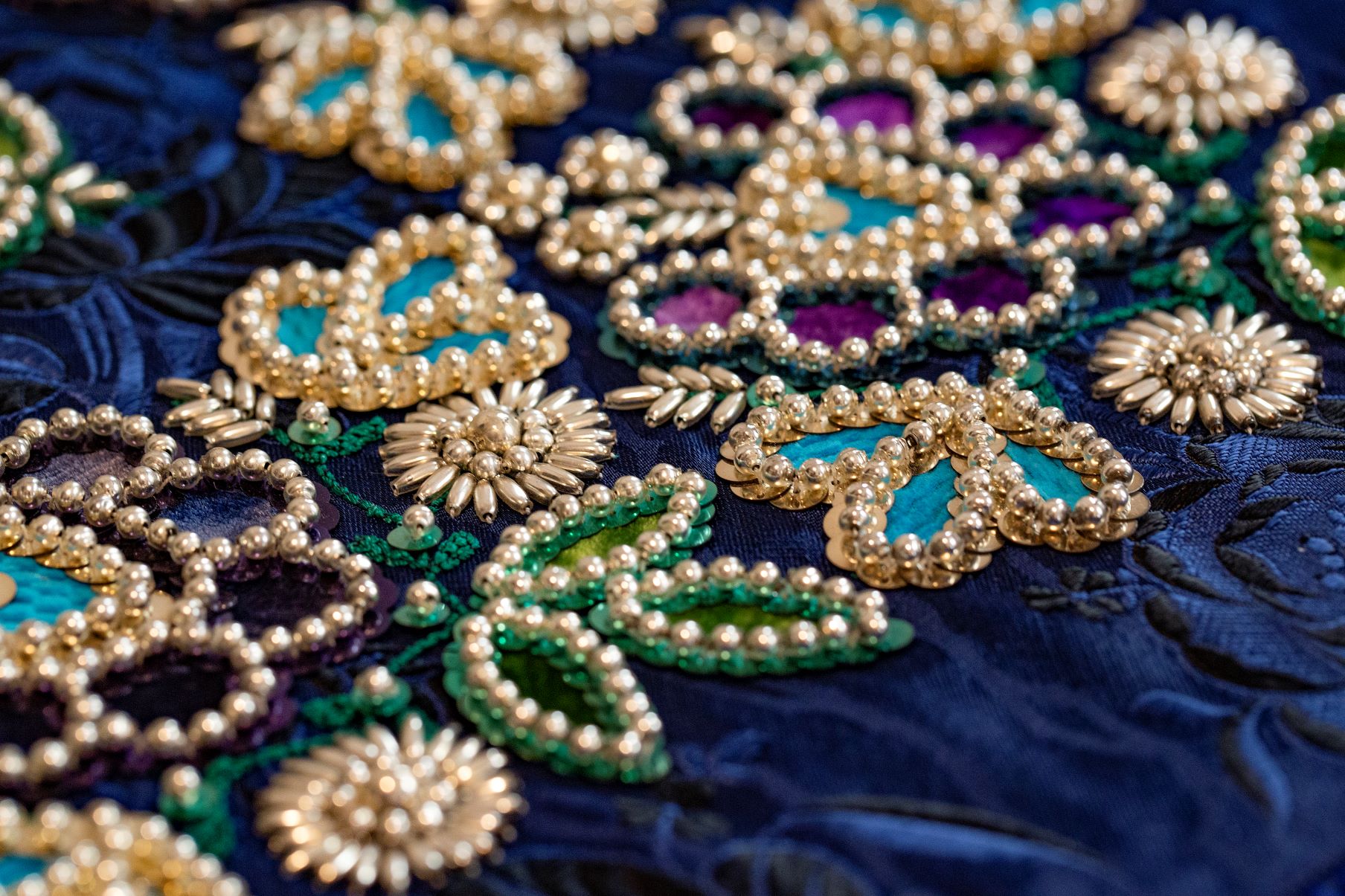
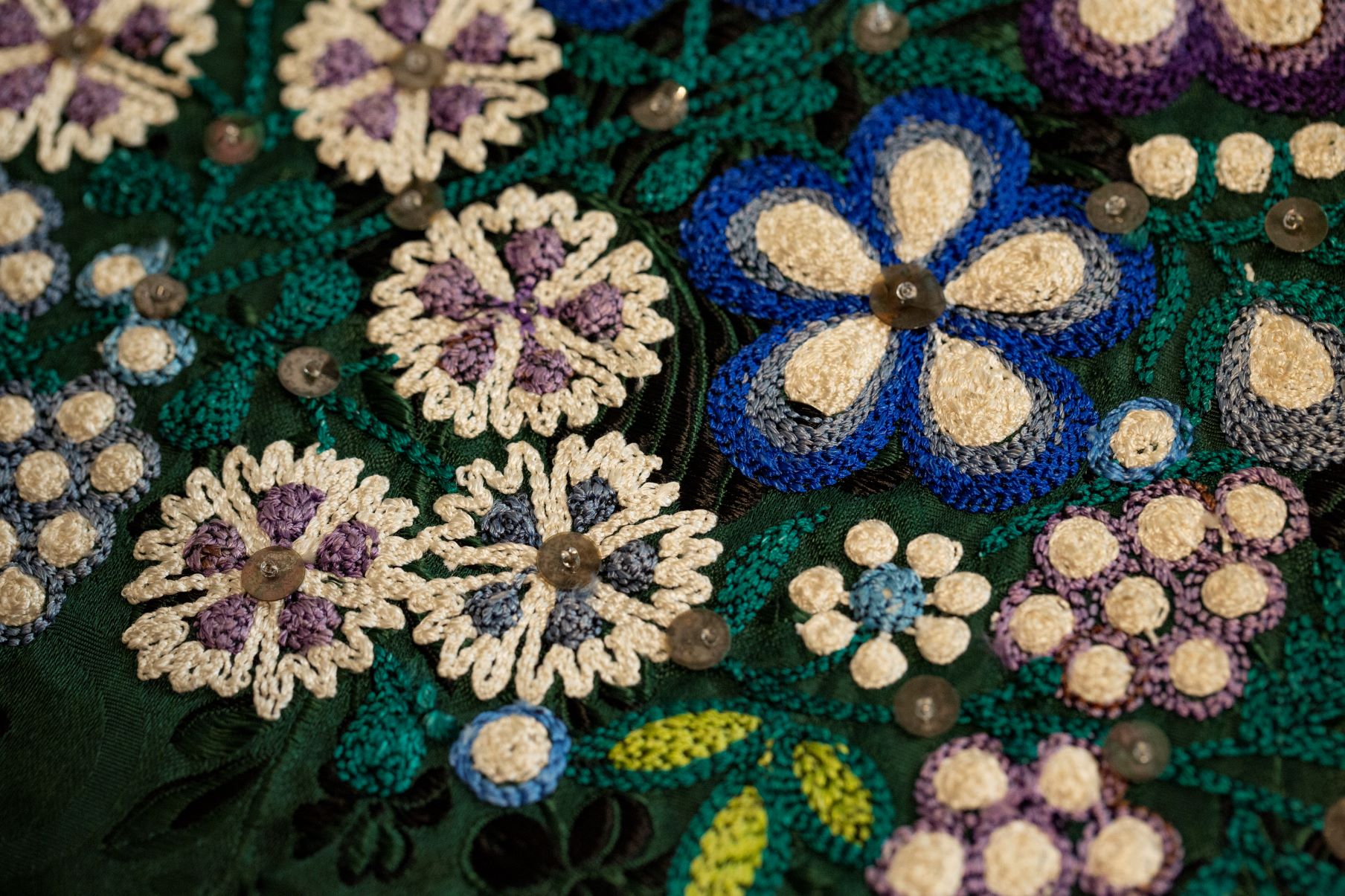
The uniqueness of the women’s Čilejkári costume, its variations, colourfulness and diversity, as well as the special machine embroidery of the costume recently received an unprecedented honour – on 15 January 2025 the decoration of women’s Čilejkári clothing was inscribed on the Representative List of the Intangible Cultural Heritage of Slovakia – in other words, it became a “small Slovak UNESCO”. The award is granted by the Ministry of Culture of the Slovak Republic together with the Centre for Traditional Folk Culture at SĽUK. The award ceremony took place on the premises of SĽUK in Rusovce on 7 May 2025.
The Čilejkári can rightly be proud of this achievement, although in the Tekov Region they are no longer the first or the only ones to receive such recognition. In 2023 they were preceded by Pukanec pottery. The north of the Tekov region is thus adorned with two awards out of the 788 elements inscribed in the Intangible Cultural Heritage worldwide (as of February 2025).
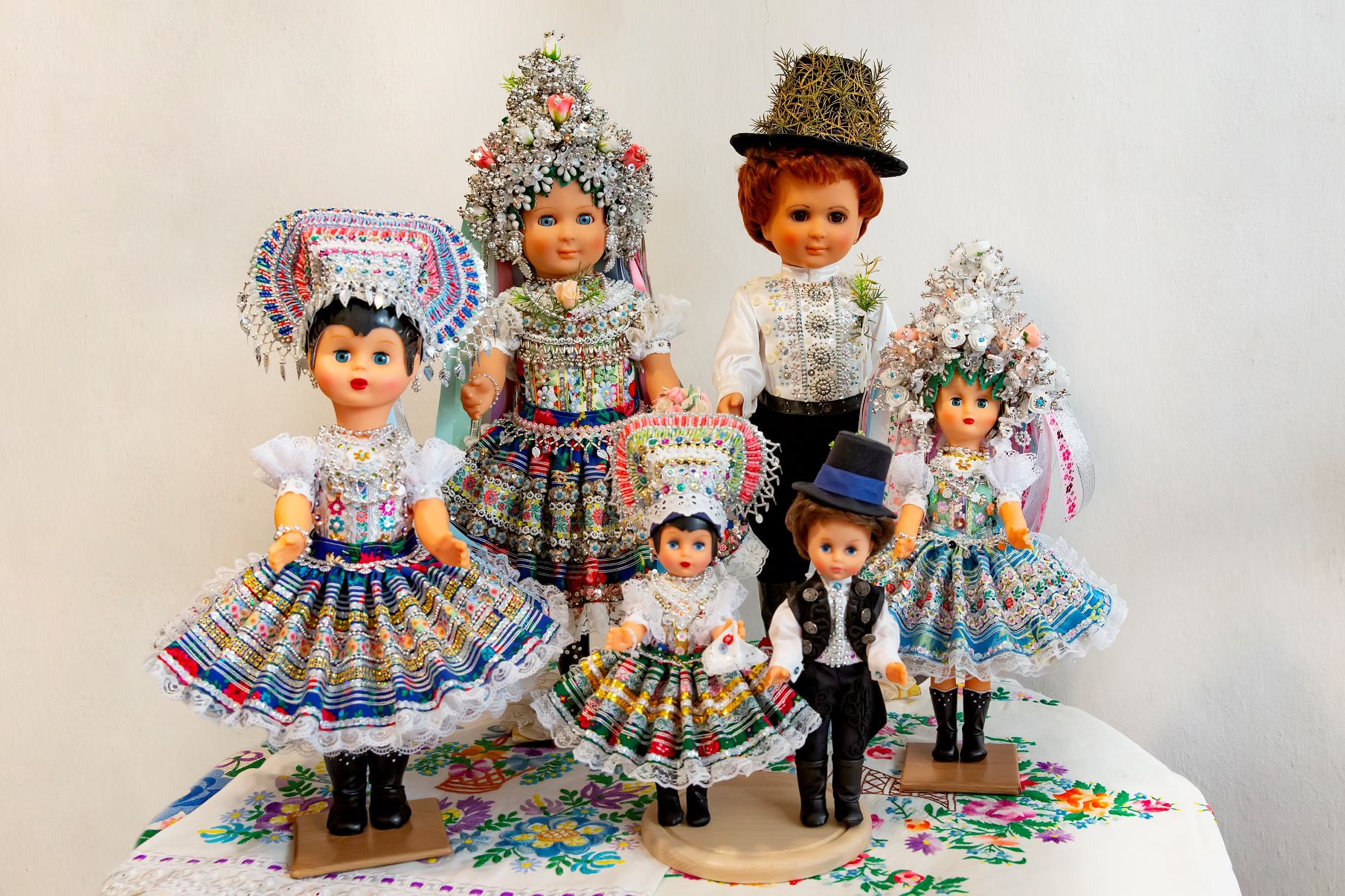

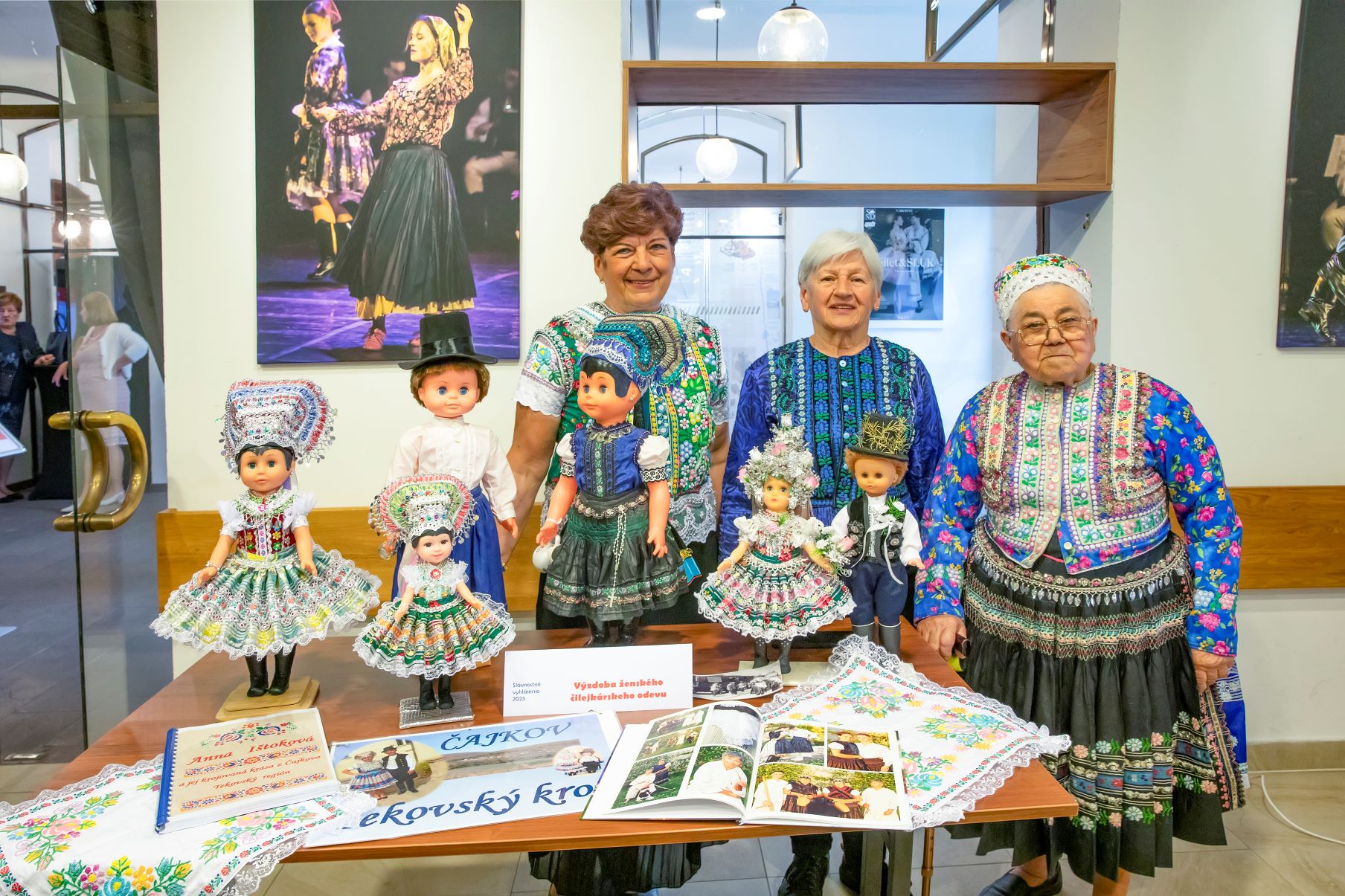

The bearers of the award are people who still create, develop and pass on the traditional craft or element to younger generations. In the case of the decoration of women’s Čilejkári clothing, they are Mária Nováková (96) and Anna Ištóková (91), both from Čajkov, who have devoted their whole lives to making and decorating the costume as well as to machine embroidery, and who wear – or rather used to wear – the costume. Anna Ištóková, together with her daughter Otília Švecová, is engaged not only in sewing traditional costumes and repairing them, but also in making costumed dolls.
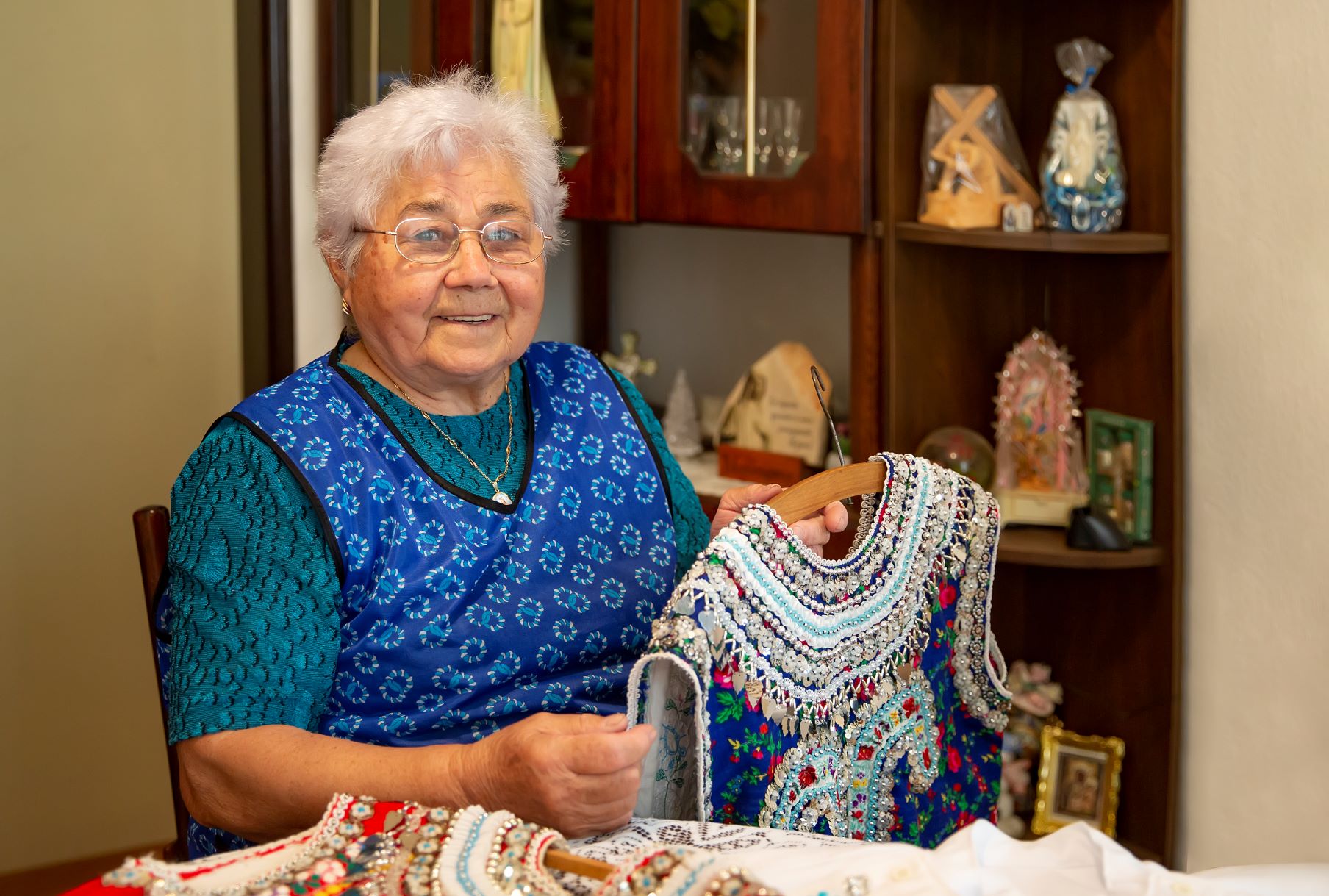
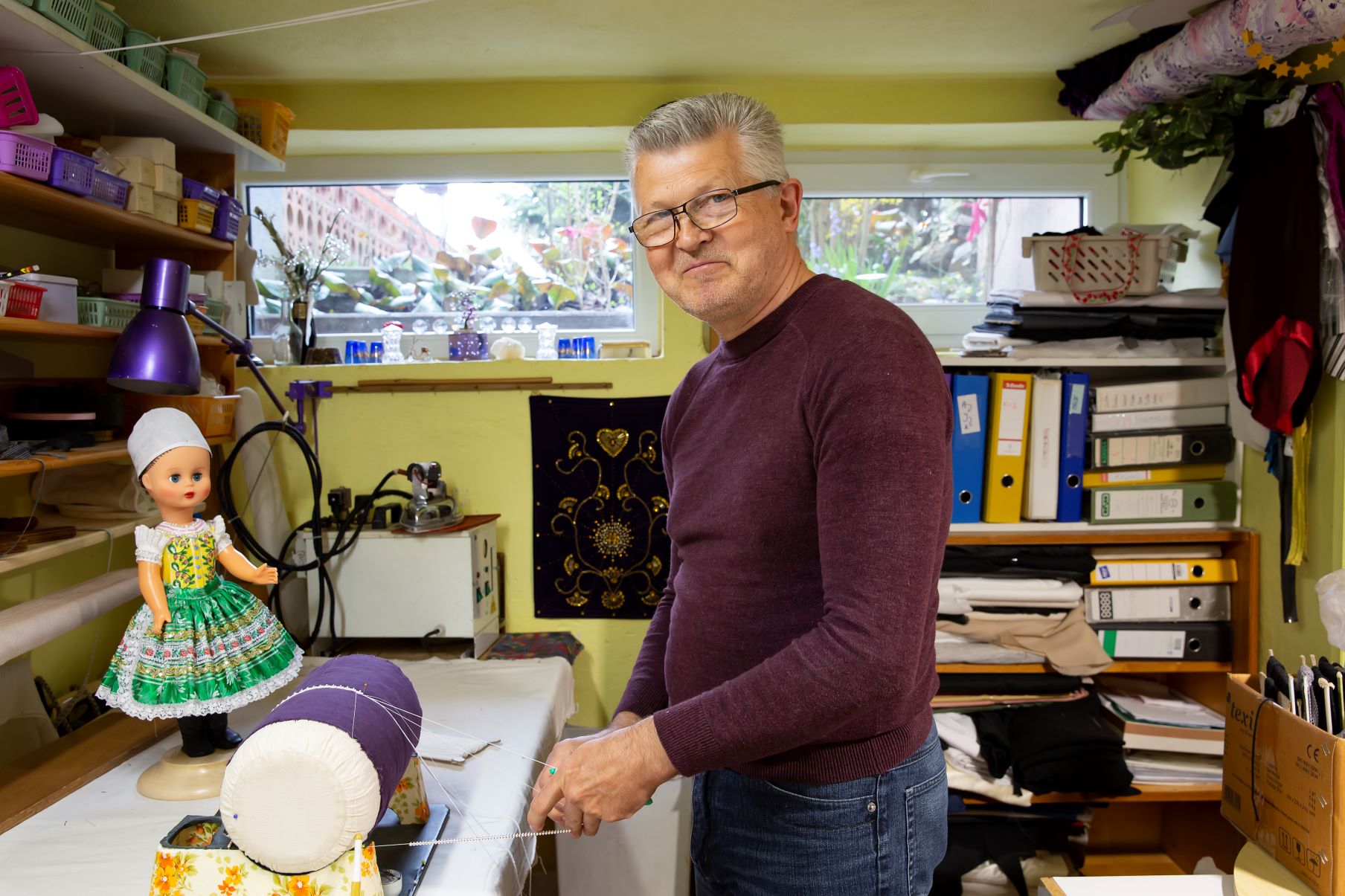
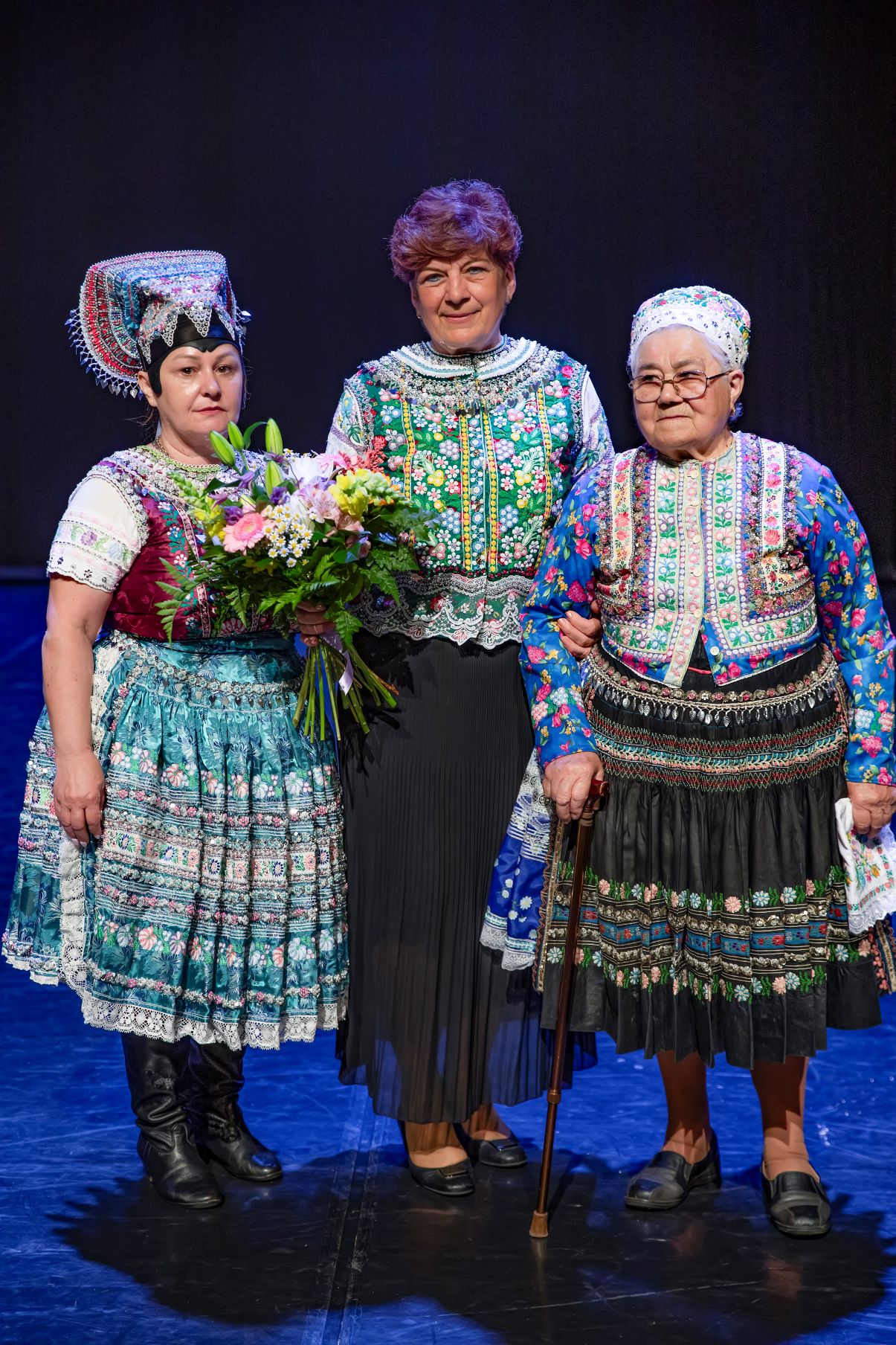
The craft of sewing the costume as well as machine embroidery has also passed to a generation of younger makers – Peter Chvojka from Tlmače and Mária Jašeková from Veľké Kozmálovce, who also teach the public the techniques used in decorating the costume. Peter Chvojka also makes the decorations that are part of the costume’s ornamentation, as well as designing patterns for the individual parts of the costume and digitising traditional floral machine-embroidery designs. They will thus be preserved for future generations too.
You can admire their work at traditional events, fairs and grape harvest festivals not only in the Tekov Region. A small cross-section of the Čilejkári costume finery is also offered by the permanent exhibition of the Tekov Museum in Levice.
Follow us so that you don’t miss any of the folklore events and presentations in the Tekov Region again.