Welcome to a place where, in the past, visitors were greeted by the aroma of uniquely roasted goose liver and roasted “fertáľe” (goose quarters). In autumn, this region paired that wonderful goose delicacy with fresh “burčiak” (young wine) grown in the region’s many vineyards.
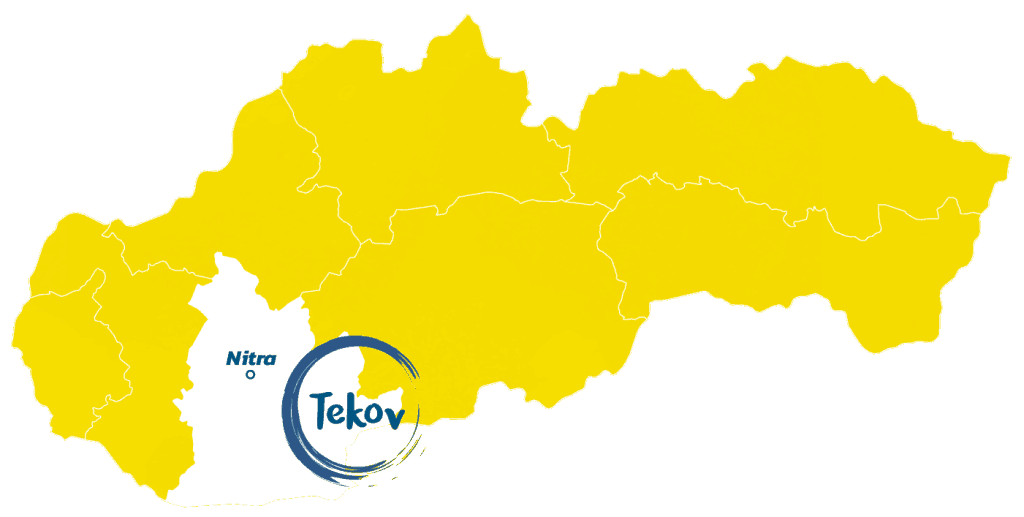
Tekov Region on the Map of Slovakia
Historically, Tekov is primarily perceived as an old Hungarian county that was part of Austria-Hungary. In the 21st century, however, the territory of the Tekov region is viewed within the context of the Slovak Republic and the Levice district.
The Tekov tourist region destination begins on the broad, fertile lowlands of the Danubian Lowland, in the south of western Slovakia near Pohronský Ruskov and Želiezovce. In the north it ends at the foot of the Štiavnické vrchy mountains, at the natural formation known as the Slovak Gate near Tlmače, and extends as far as the mining town of Pukanec. In the west, the Tekov Region includes the villages of the Meridiem association, and in the east it is the area around Šahy and Plášťovce in the Krupina Plain.
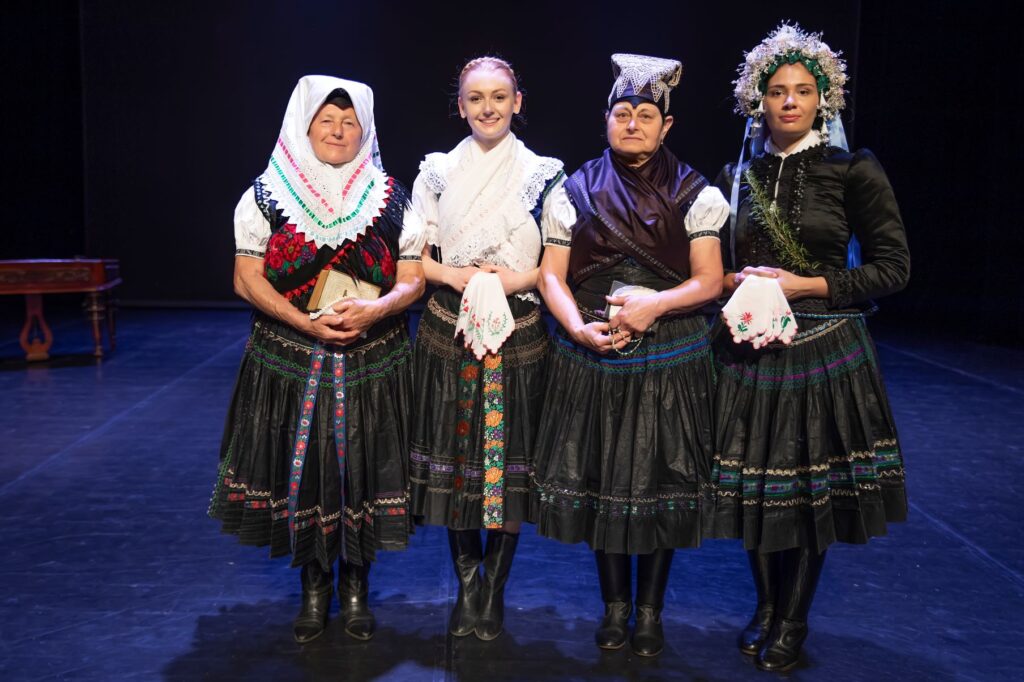
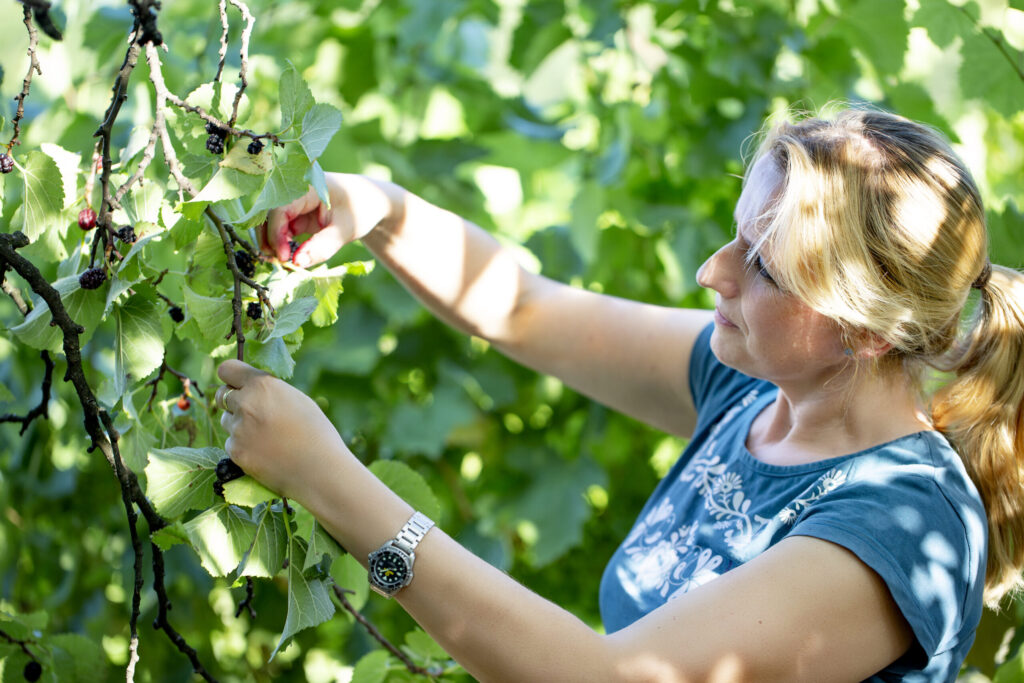
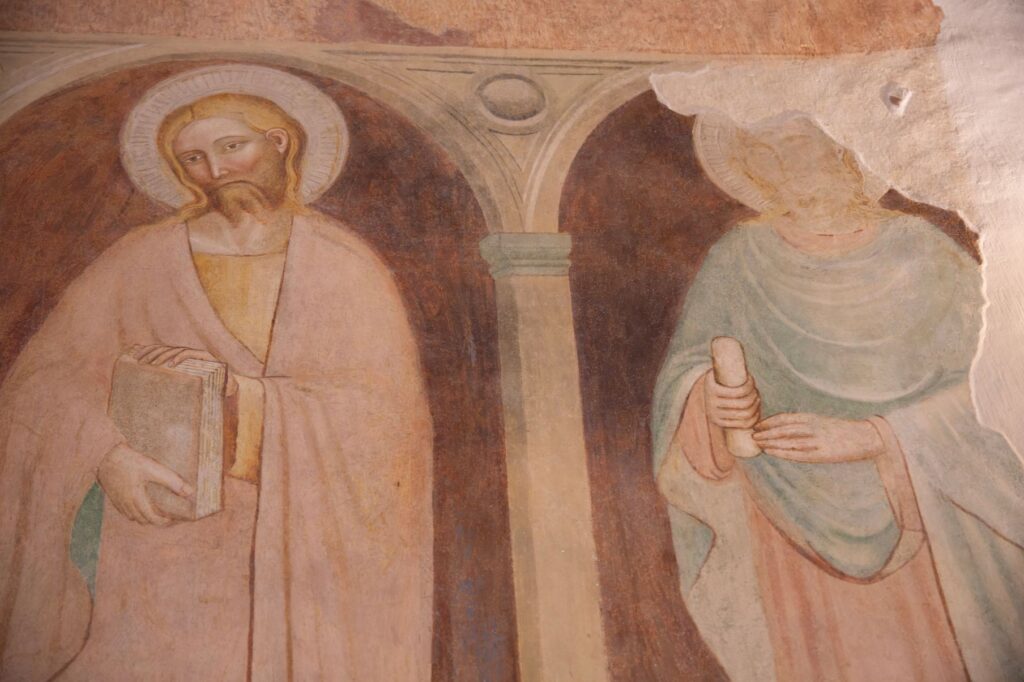
The region also includes the Lower Hron area and the microregion of the čilejkár villages, rich in winegrowing history and still-living folk traditions. At the foot of the Štiavnické vrchy mountains are villages rich in the rare black mulberry tree and in mining history. The area between Levice and Dudince is famed for its thermal springs and for the travertine mounds lying along the rare Levice spring line. The Meridiem and Laurentius microregion is adorned with manor houses and chateaux. The town of Želiezovce is closely linked to the noble Esterházy family, as well as to famous figures – the musical genius Franz Schubert and the celebrated confectioner Franz Sacher. An unmissable gem is the precious Italian frescoes in the Church of St James the Apostle in Želiezovce and the Church of St Nicholas in Sazdice.
Key Historical Events in the Shaping of the Destination
- 1075 – First written mention of some of the region’s villages, in the founding charter of Svätý Beňadik Abbey
- 1318 – First mention of Levice Castle; older documents were not preserved due to fires
- 1321 – The mining settlement of Pukanec is elevated to town status
- 1685 – End of the Ottoman threat to the region
- 1818 and 1824 – Franz Schubert at the Esterházy court in Želiezovce
- 1841 – Franz Sacher arrives in Želiezovce
- 1869 – The Levice estate is purchased by the Schoeller family from the Esterházys of Galanta
- 1911 – Construction of the town hotel, Hotel Lev, the centre of the region’s cultural life
- 25 March 1945 – Start of the Bratislava–Brno Offensive in the Lower Hron area, a major liberation operation at the end of World War II
- 1974 – Registration of a new grapevine variety, Fetească regală (Pesecká leánka), in Slovakia’s state register of varieties
- 1993 – Europa Nostra Award for the rock dwellings of Šurda Lane, Brhlovce
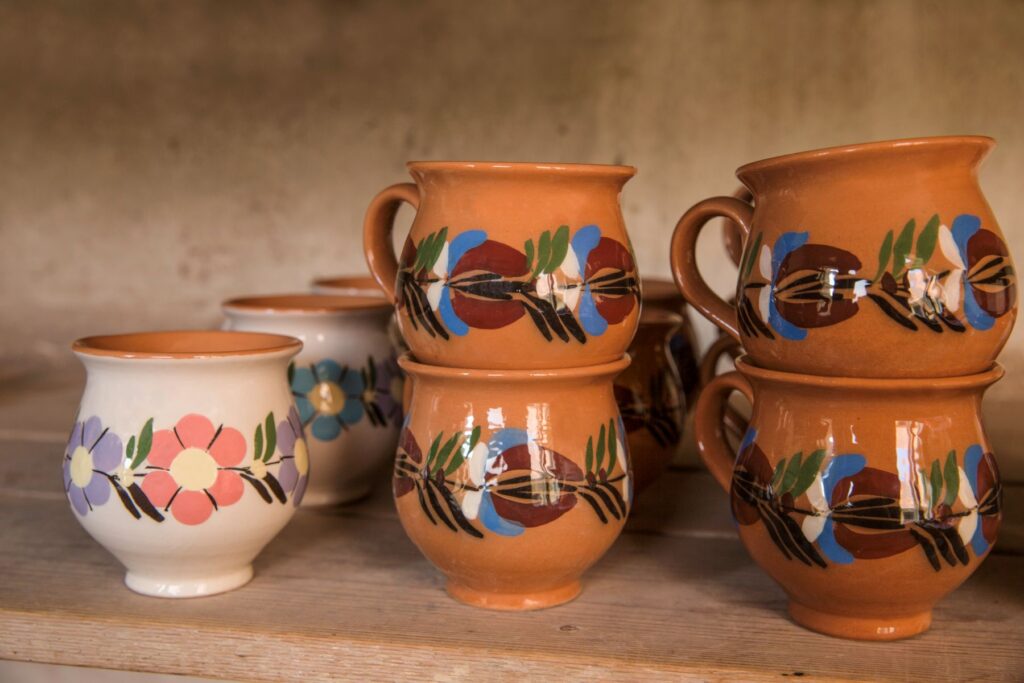
- 2023 – Pukanec pottery inscribed on the Representative List of the Intangible Cultural Heritage of Slovakia
- 2025 – The decoration of the women’s čilejkár folk costume inscribed on the Representative List of the Intangible Cultural Heritage of Slovakia