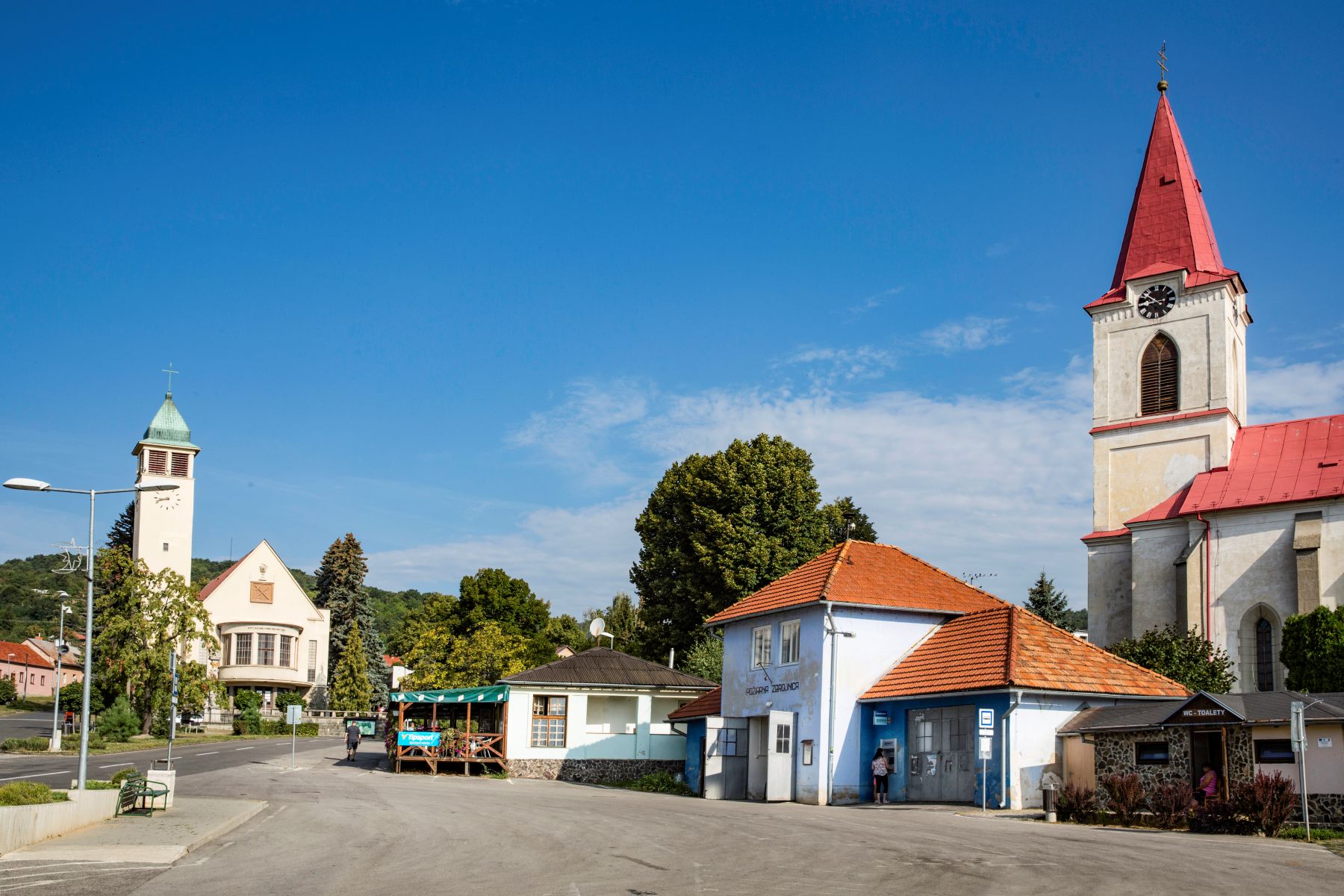
Pukanec
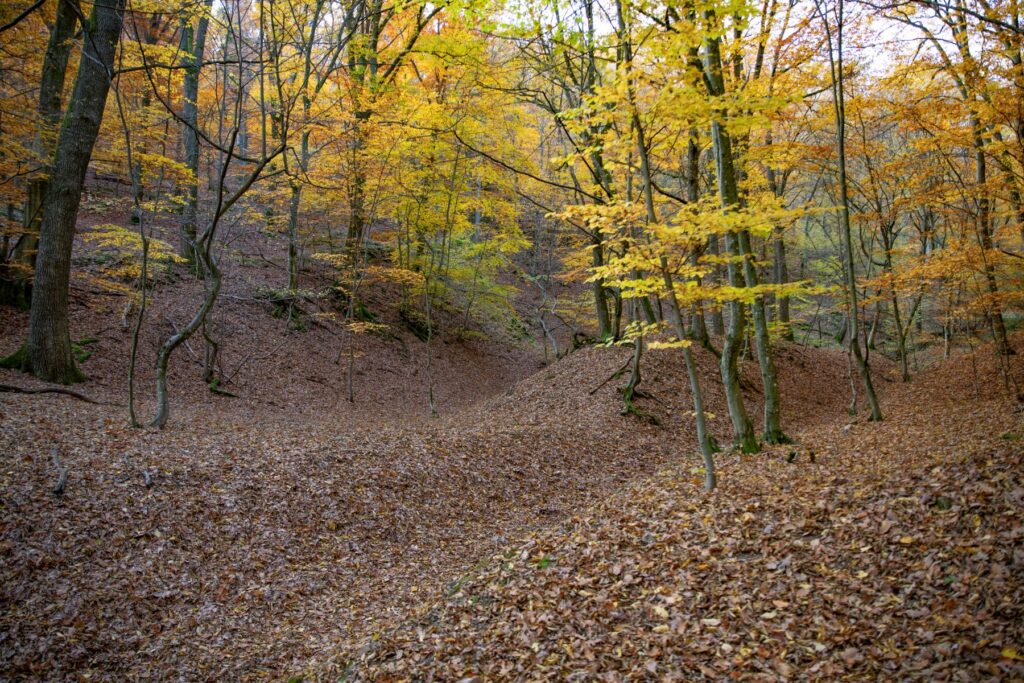
A rich mining history is tied to the northern part of the Tekov Region. In the Štiavnica Mountains area, the terrain still reveals traces of mining activity today – entrances to old adits, ventilation shafts, mine galleries, and surface subsidence pits known locally as pingy. The forests around Pukanec are literally dotted with them.
Once a free royal town, Pukanec answered directly to the monarch. It was part of a prestigious mining union of seven Central Slovak mining towns, together with Banská Bystrica, Banská Štiavnica, Kremnica, Nová Baňa, Ľubietová and Banská Belá. Pukanec became famous above all for silver mining, and to this day the town and its surroundings retain a great many (not only mining) monuments connected with that heritage.
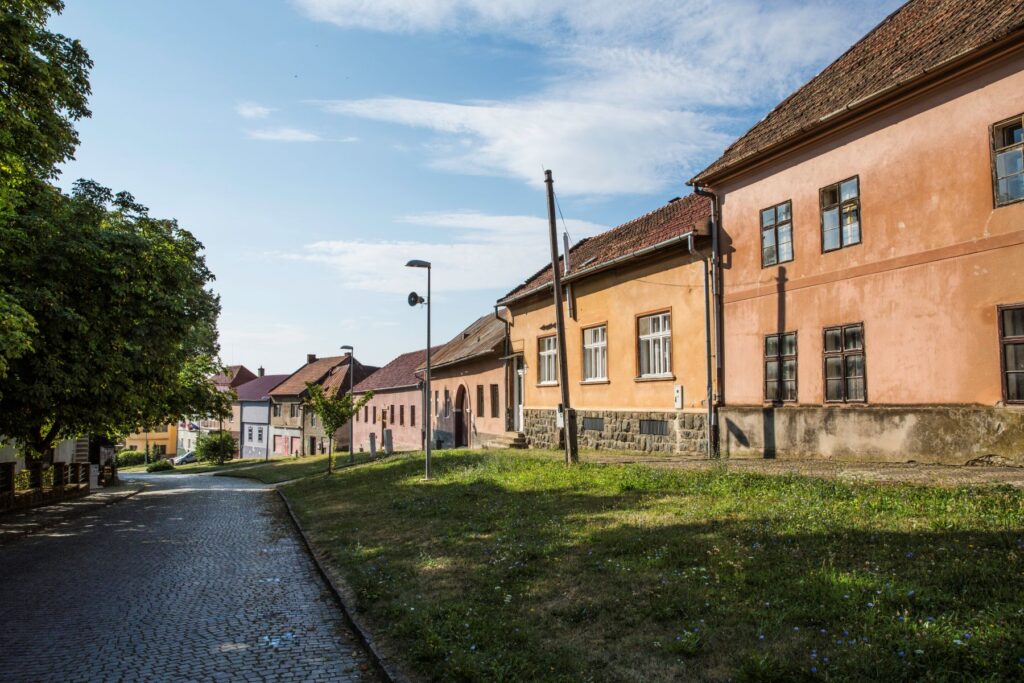
Even then, Pukanec had the right to elect its own magistrate, ran its own courts, and even had its own executioner. The town established a mining court, whose building today serves as the seat of the local municipal office. The mining court operated around the clock, registering every prospector and granting the so-called right of exploration (kutacie právo). After it ceased operating, its function was transferred to Kremnica. According to local legend, some of Pukanec’s miners simply crossed ‘to the other side of the hill’ and founded town of Nová Baňa. There may be some truth to this – they really did discover an ore vein there, giving rise not only to its mining but also to the founding of a new mining settlement.
Two nature trails commemorate the town’s rich mining history, both starting in the centre of the village, at Peace Square (Námestie mieru). Set out on the In the Footsteps of Old Ore Mining trail, where 12 information panels guide you through forest terrain full of traces of past mining activity. The trail is on foot only, forms a loop 5.2 km long with an elevation gain of up to 240 m, and takes around 2.5 hours to walk. Because the trail requires irregular maintenance, it is in need of renovation. If you do set out on it, we recommend following the trail markers carefully and studying the route in advance.
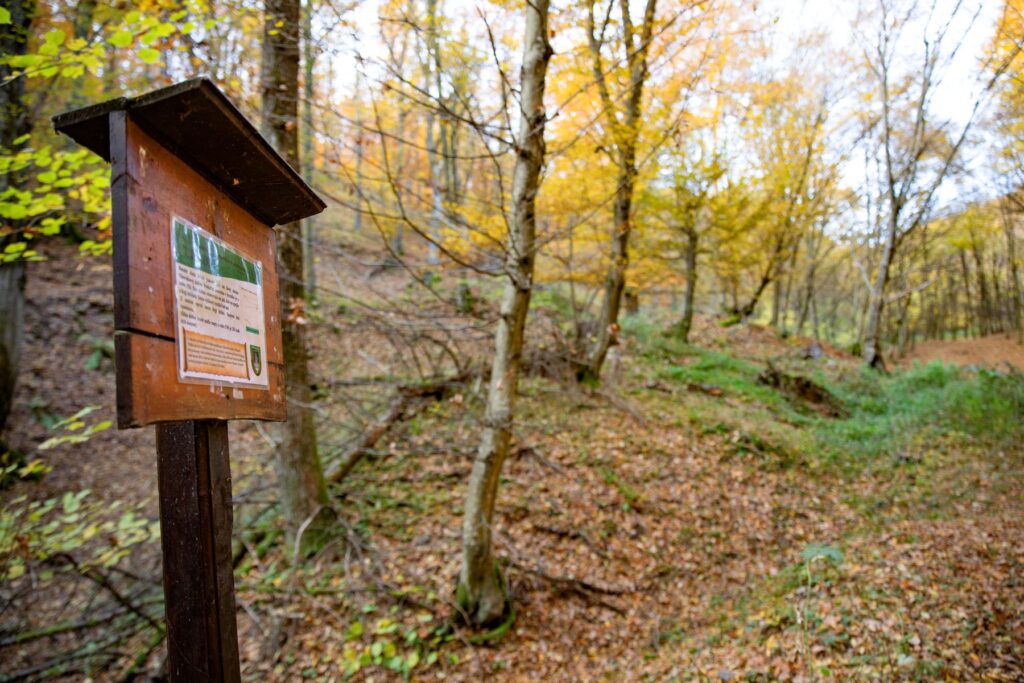
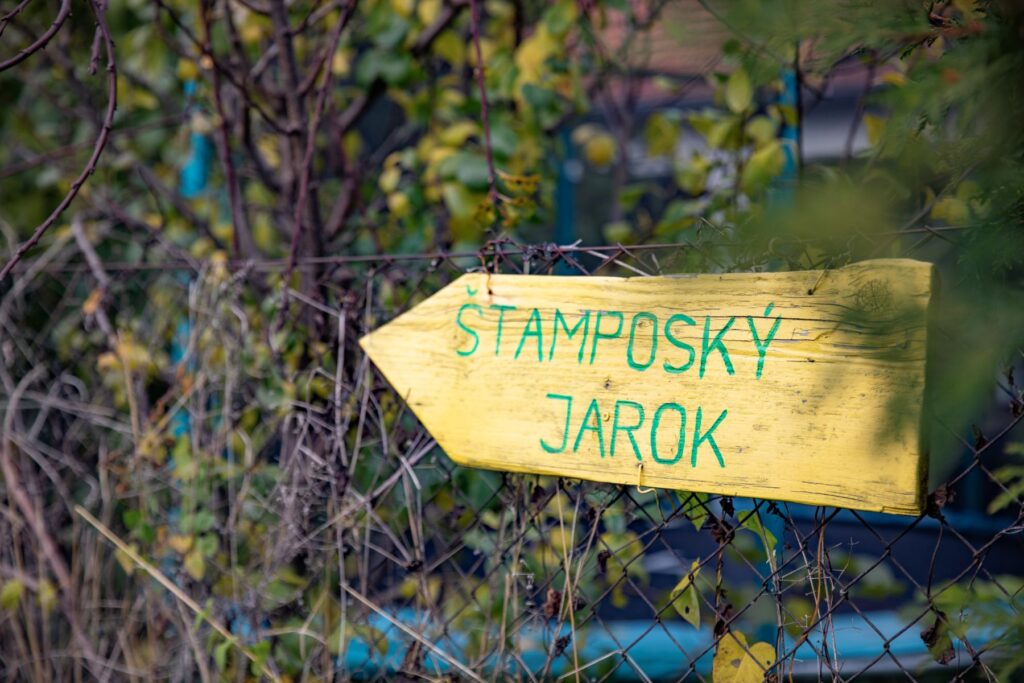
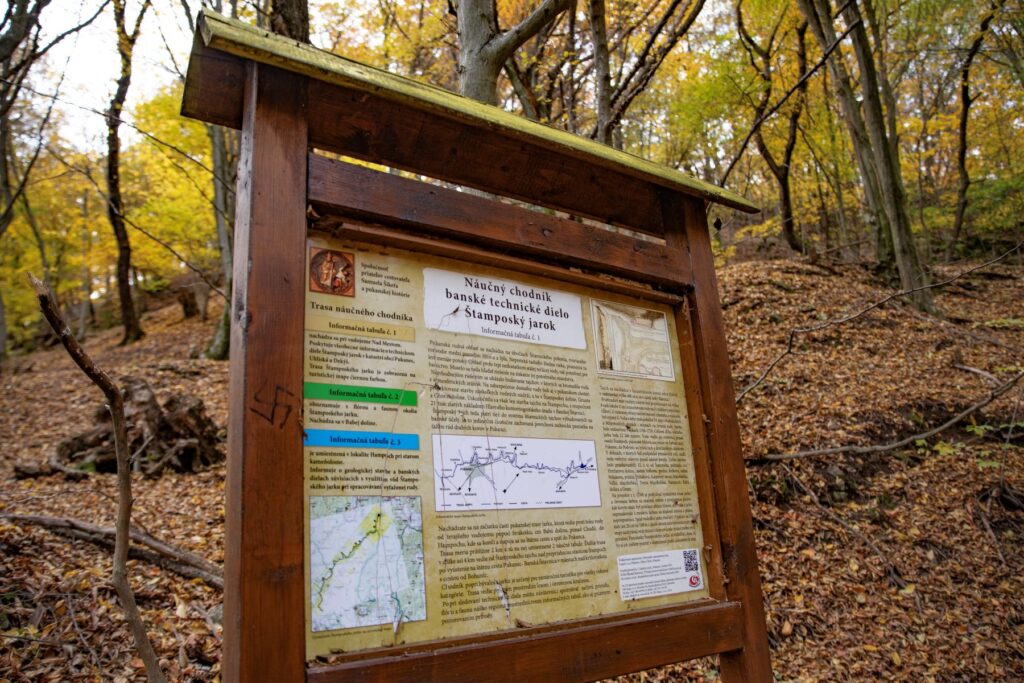
Another is the Štamposký jarok Nature Trail. It relates to an ingenious system for channelling rainwater to reservoirs, mining reservoirs (tajchy), and to facilities for processing extracted ore. It is a 12-km-long feat of engineering that carried water from the Štampoch reservoir to Pukanec. The Štampoch reservoir is one of many water reservoirs in the Štiavnica Mountains, built between 1768 and 1770 (the system of artificial water reservoirs, or tajchy, around Banská Štiavnica was inscribed on the UNESCO World Heritage List in 1993). Pukanec has also recently restored a replica of an old mining warning board (klopačka), once used to call miners to work and to alert the public to danger (you’ll find it near the Exhibition of Pukanec History).
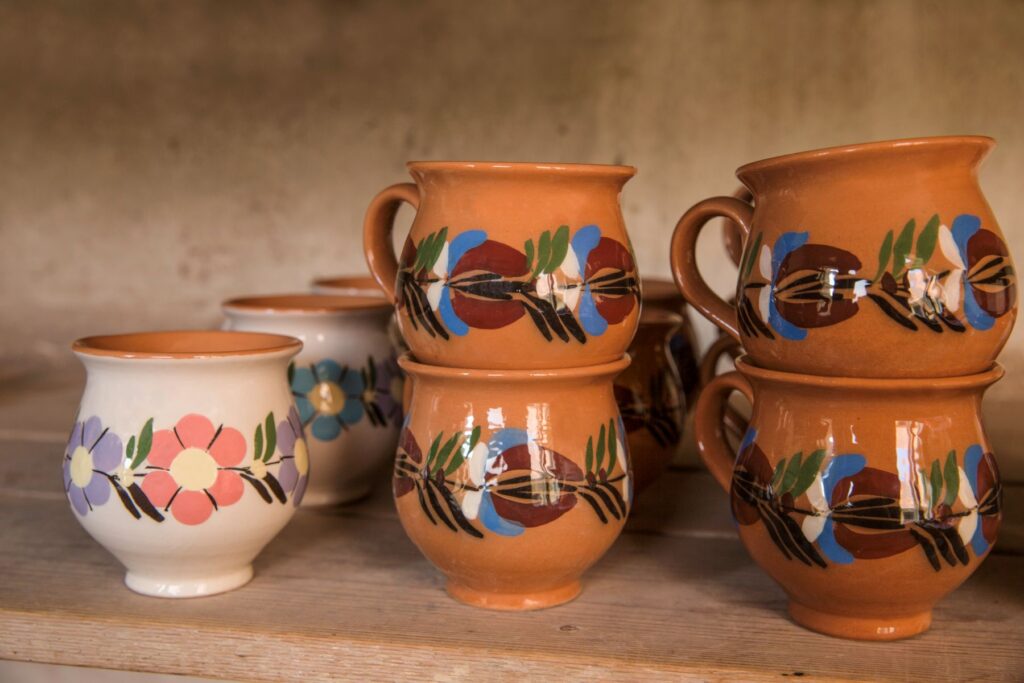
The development of mining later went hand in hand with a flourishing of crafts and fruit growing. Several craft guilds were active in Pukanec – the oldest records concern the coopers’ guild, but there was also a guild of goldsmiths, blacksmiths, locksmiths, butchers, bootmakers and wheelwrights. The last record, from 1947, concerns the shoemakers’ guild. Of this rich array of crafts, it is above all the pottery tradition, with its unmistakable ornament – the Pukanec rose – that survives to this day. In 2023, Pukanec pottery was added to the Representative List of the Intangible Cultural Heritage of Slovakia. The award was received by the late folklorist and devoted admirer of Pukanec’s history, Peter Klinko, who has sadly since passed away.
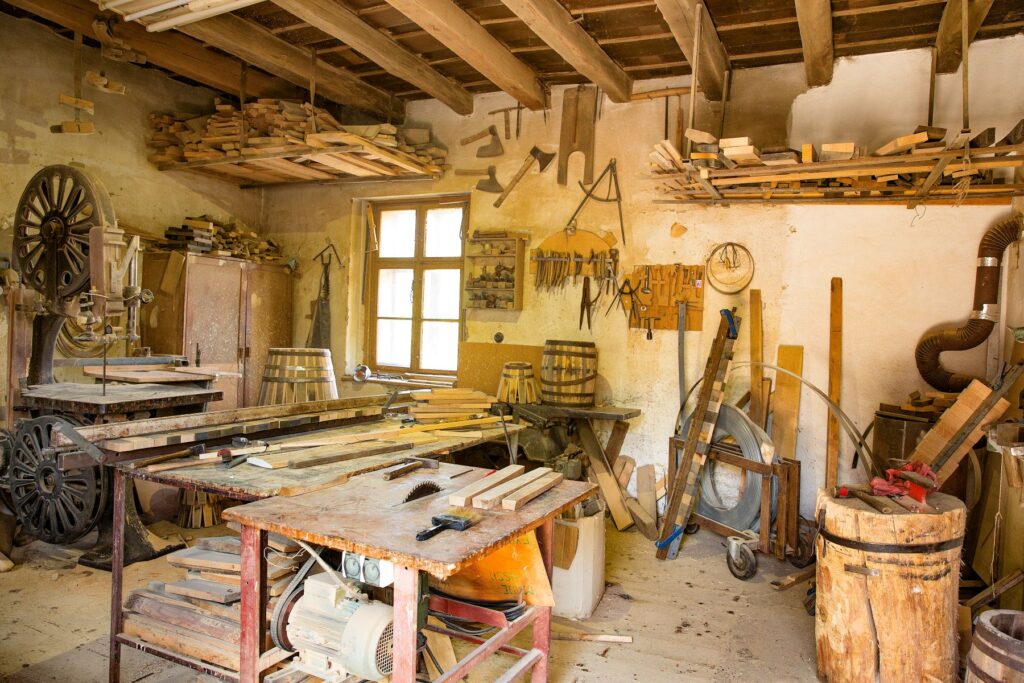
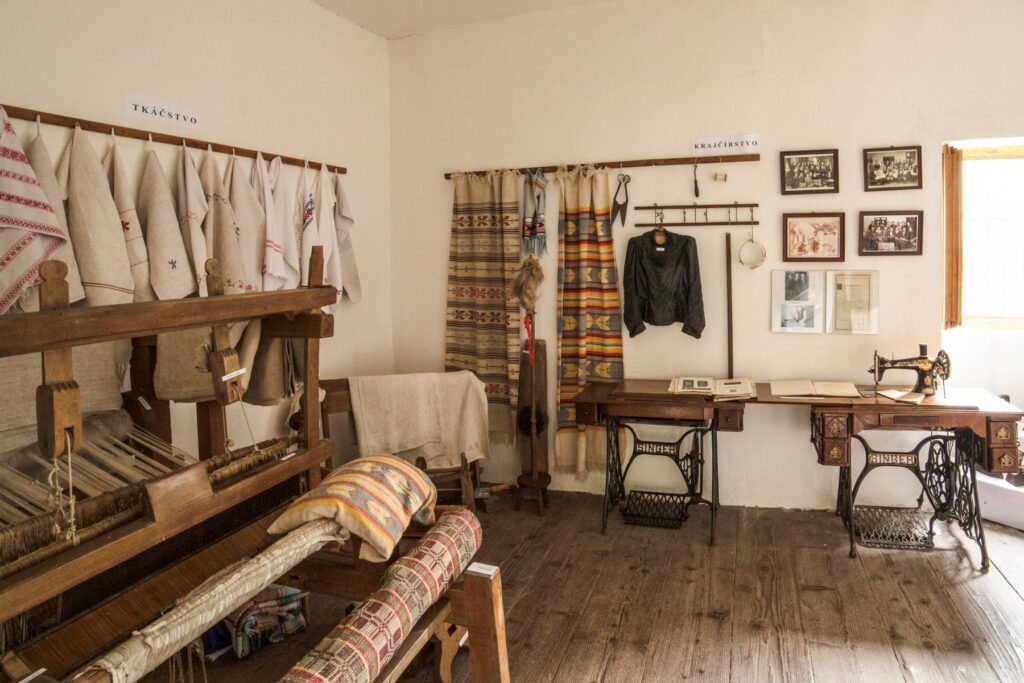
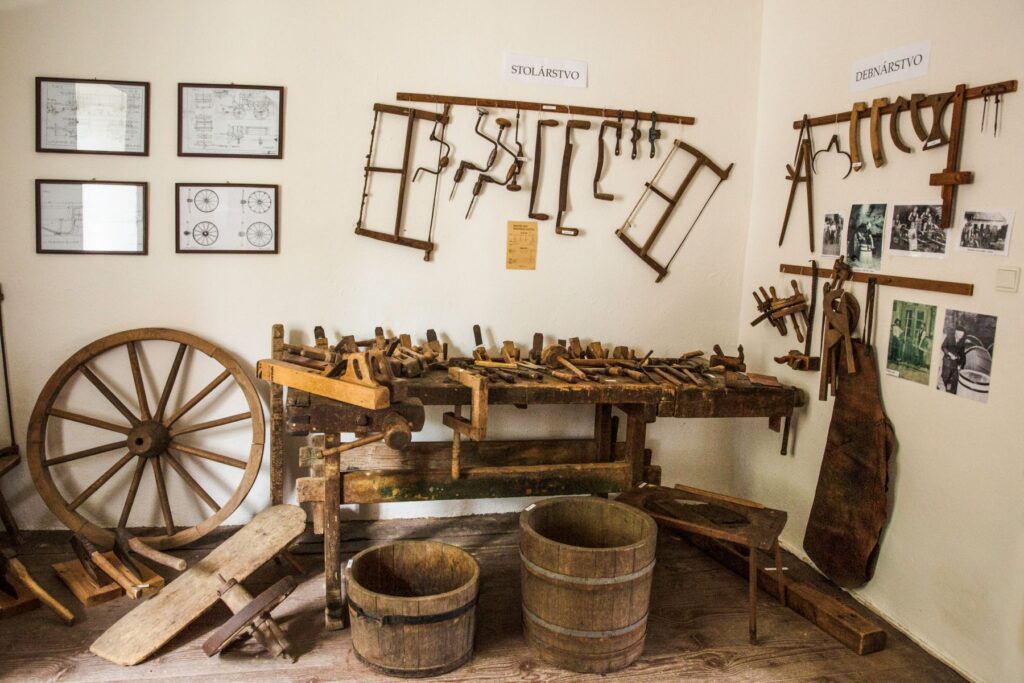
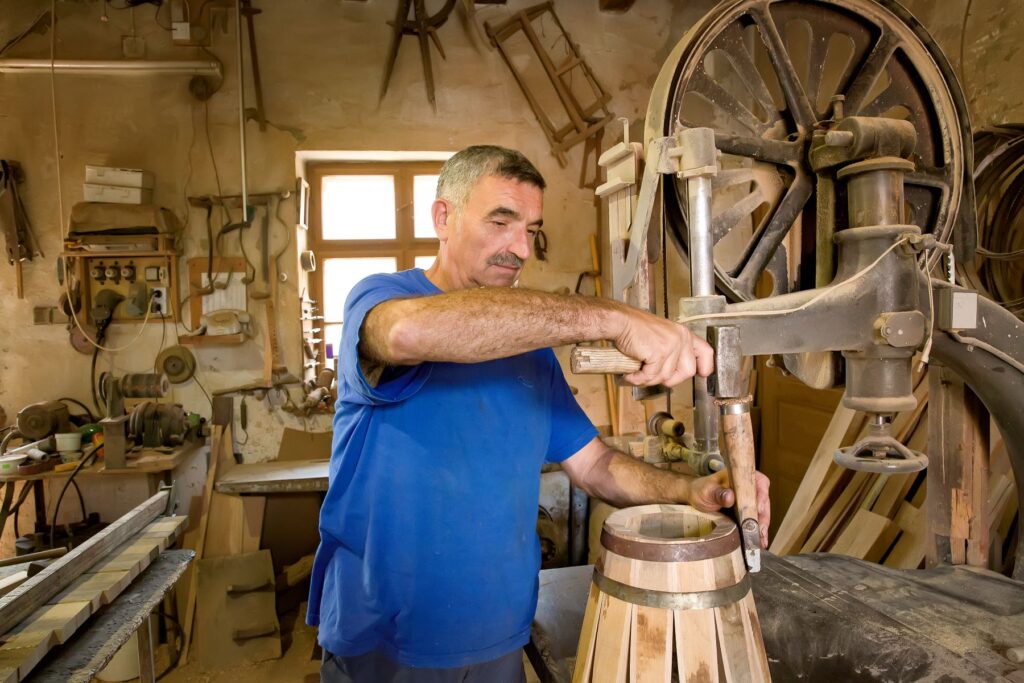
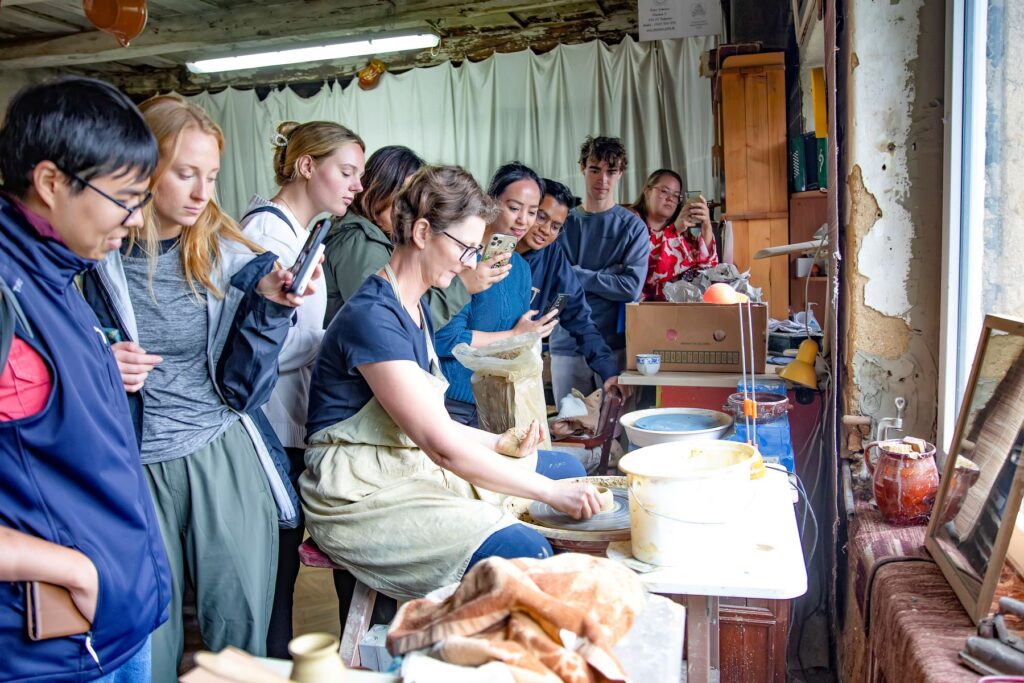
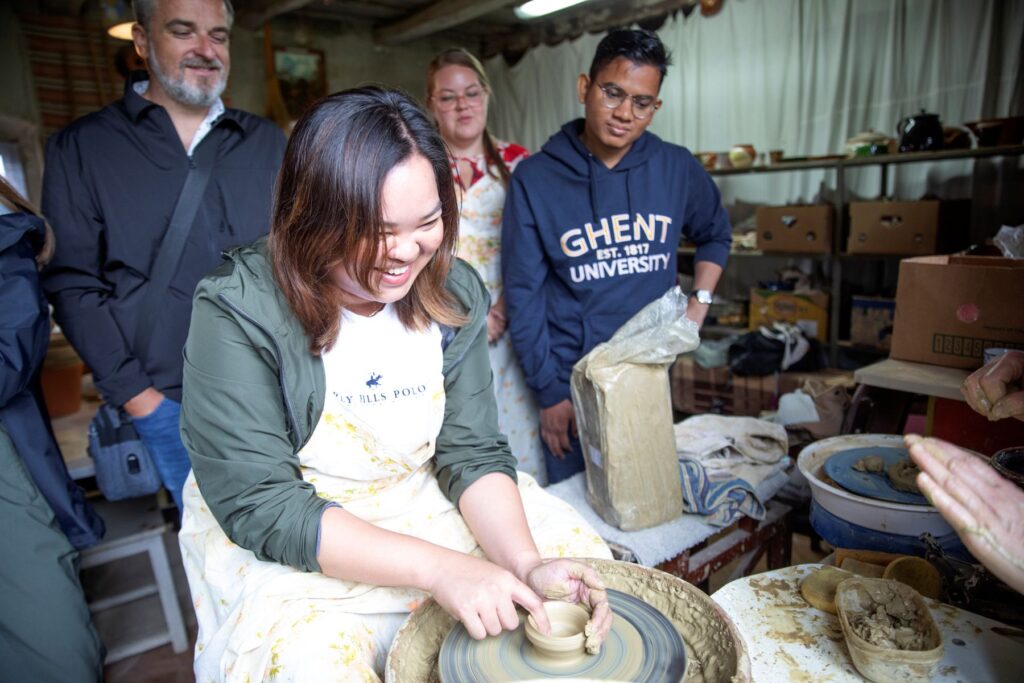
Even under socialism, Pukanec was well known for its production of so-called ‘glazed’ roof tiles, specially treated so that snow would slide easily off them. You can learn more about the crafts and rich mining history at the local museum – the Exhibition of Pukanec History. Don’t miss the still-active cooper’s workshop of Ladislav Hruškovič (ask for details at the Exhibition of Pukanec History). You can also try your hand at pottery in the workshop of potter Peter Švarc.
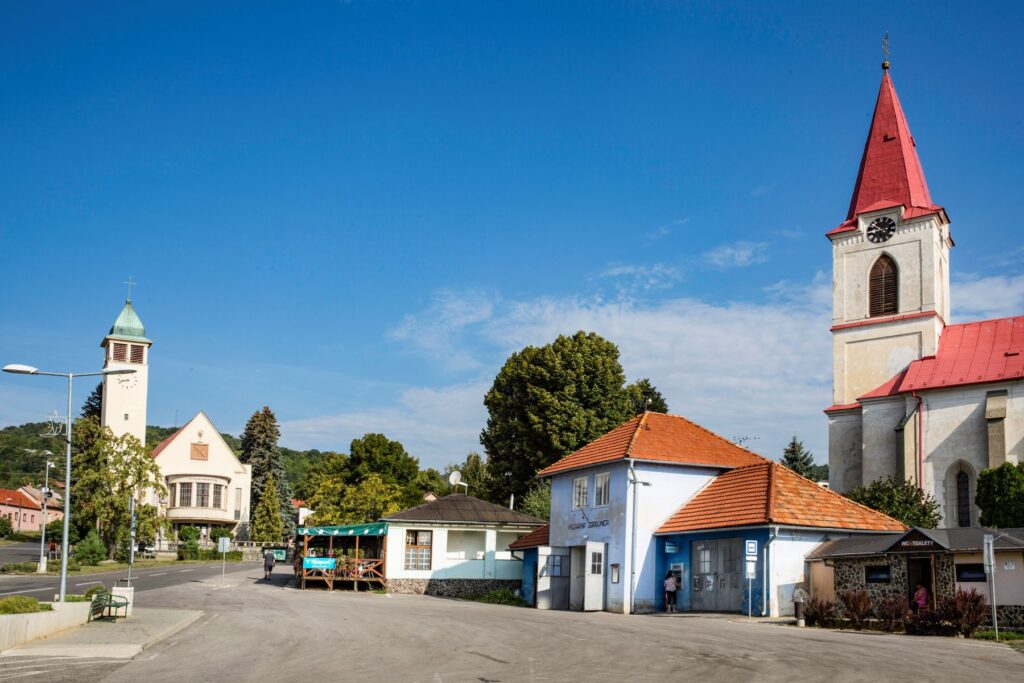
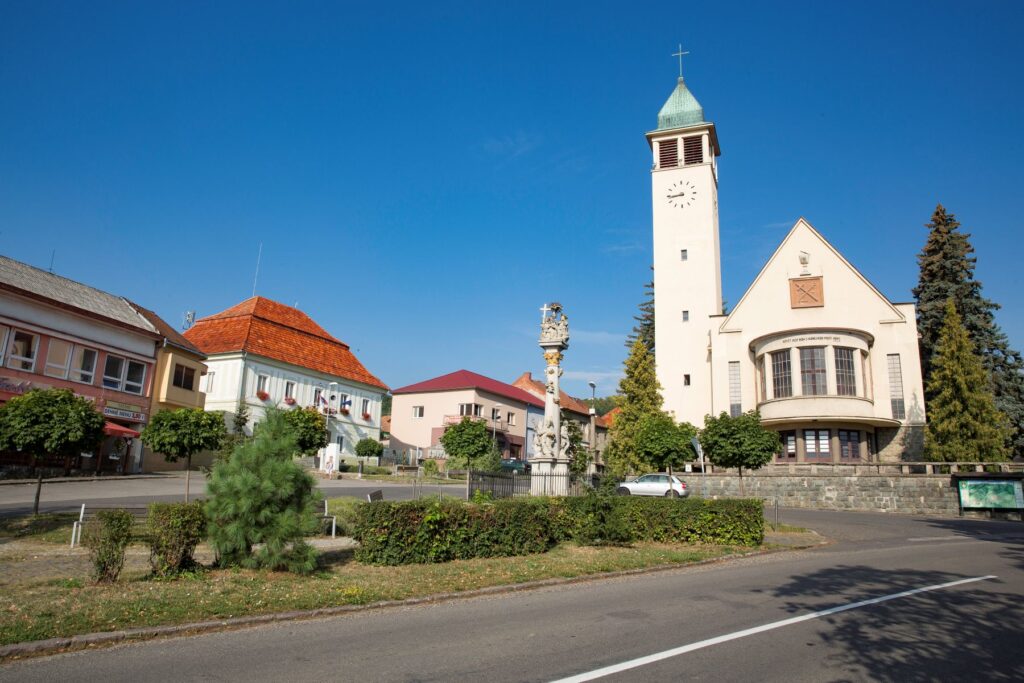
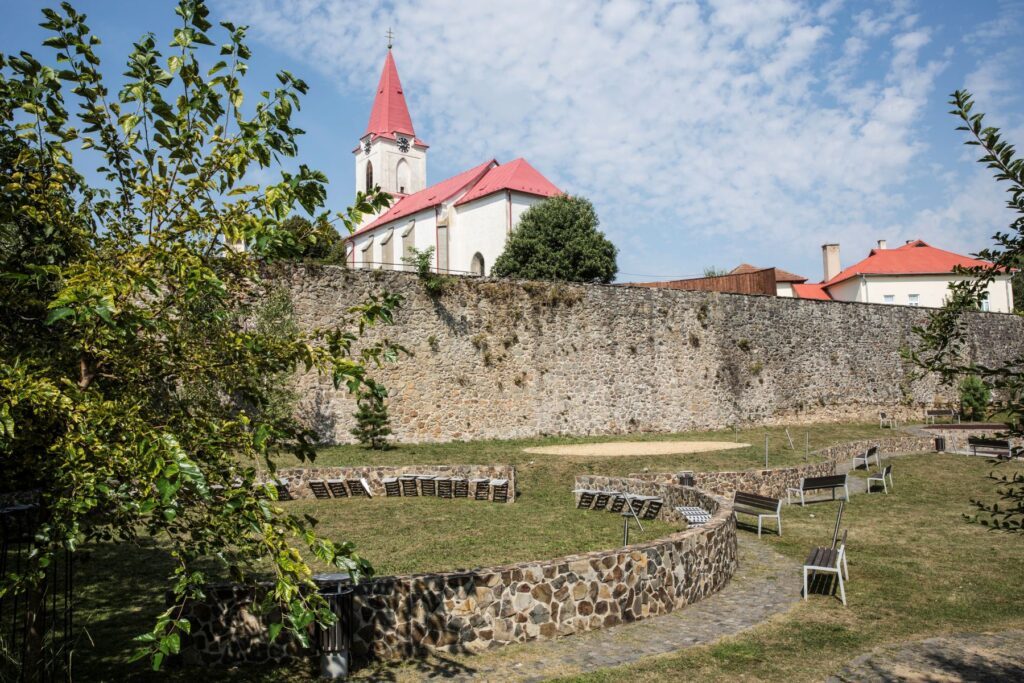
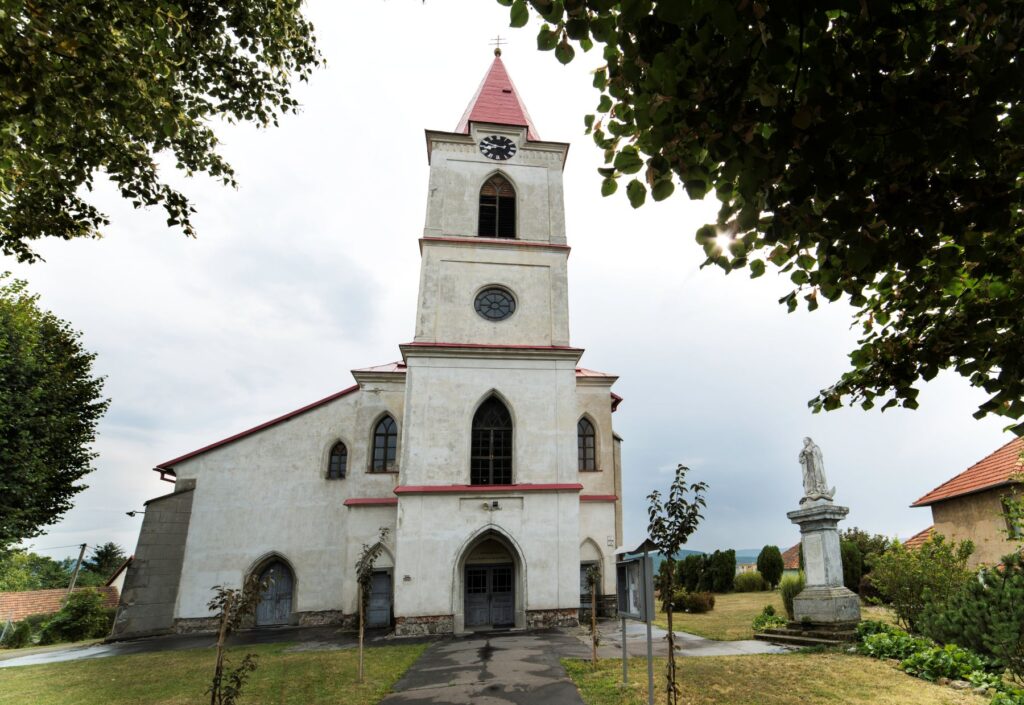
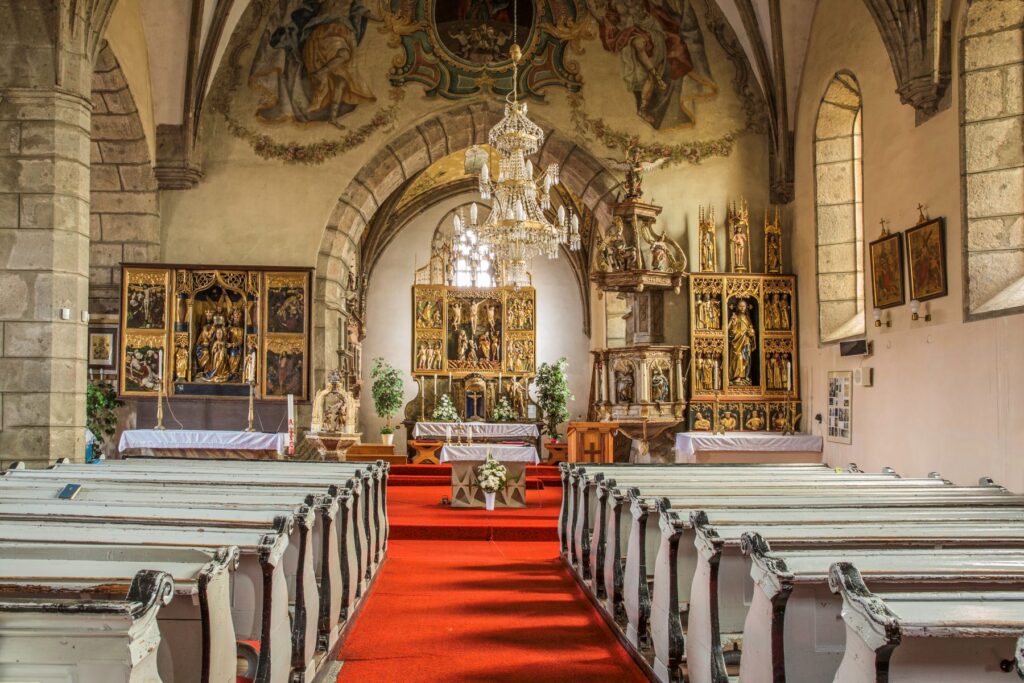
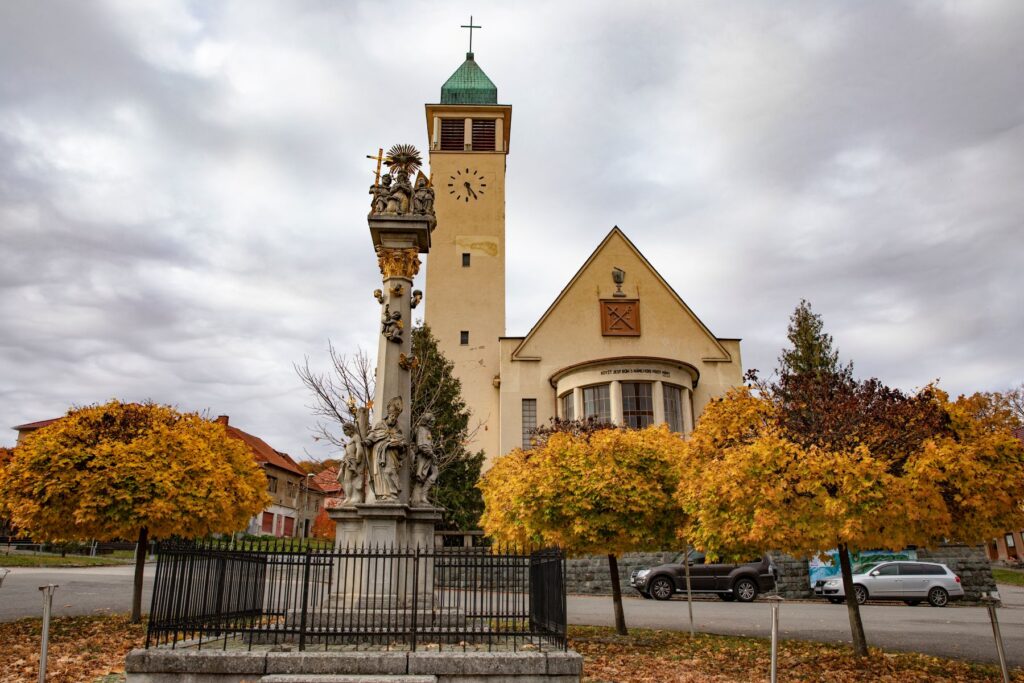
The village is graced by one of the oldest churches in the area – St Nicholas’s Church, almost as old as the mining town itself. This small Gothic church holds three magnificent wooden altars inside, the work of followers of Master Paul of Levoča. Nearby you’ll find the town walls, and beneath them a pleasant rest area with a small park and benches. At the centre of the square stands the Plague Column from 1740, behind which stands the considerably younger Lutheran church.

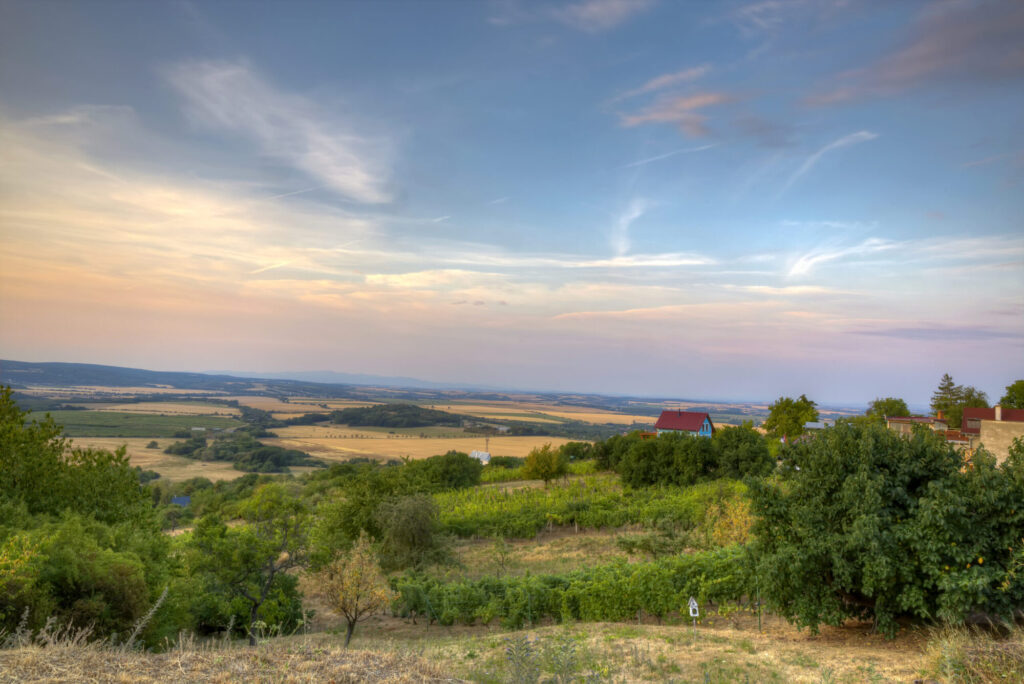
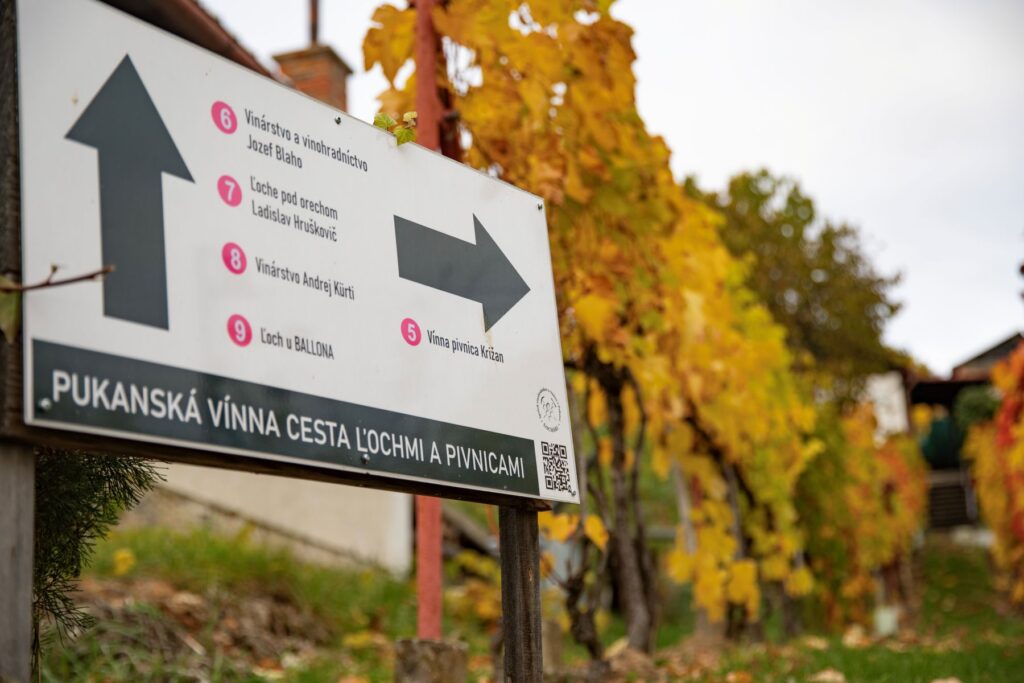
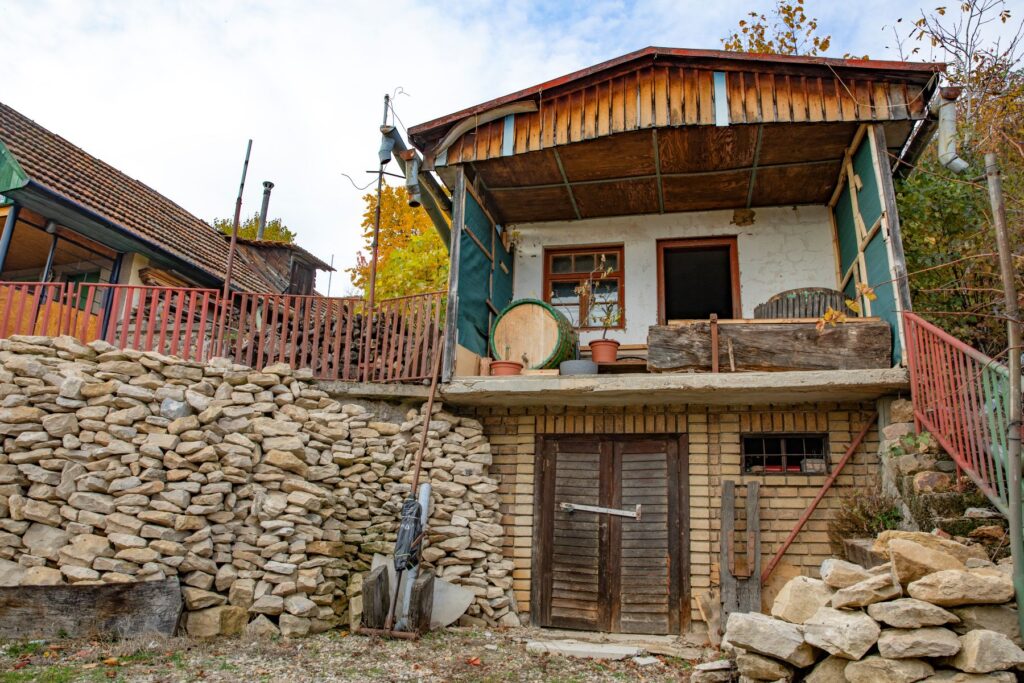
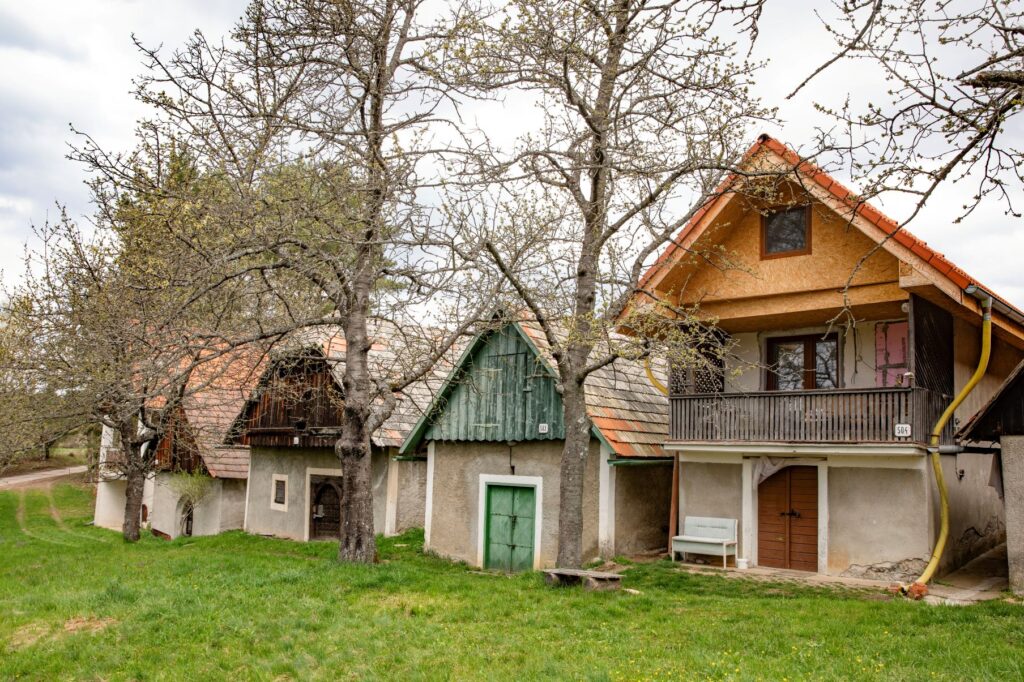
One of Pukanec’s real curiosities is that it is home to the highest-altitude vineyards in Slovakia. Wander the beautiful vine-covered slope above the village and discover old wine cellars, known locally as ľochy, many of which began life as parts of extensive mining galleries and shelters used in times of danger from Ottoman raids.
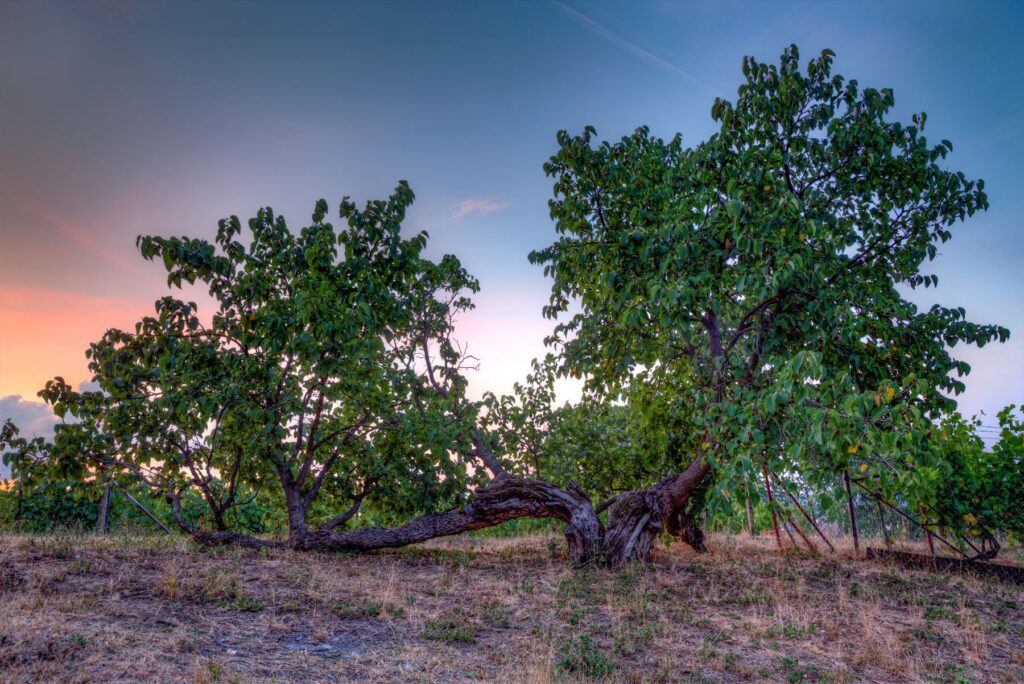
The vineyard area is also crossed by the Black Mulberry Nature Trail (Morus nigra), popularly known as the ‘sour strawberry’ tree. The oldest specimens are over three hundred years old, and the Pukanec area holds the record for the highest concentration of mulberry trees found anywhere in Central Europe. Because mulberry trees propagate vegetatively, several generations often grow right beside one another. Over time, a trunk splits and bends down to the ground until it takes root again.
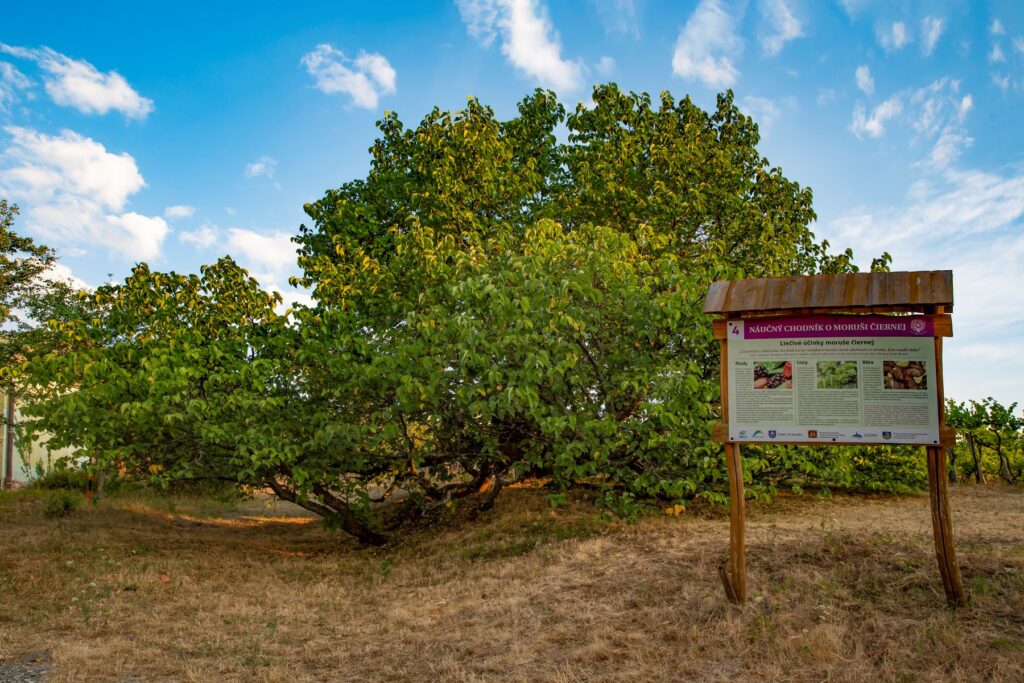
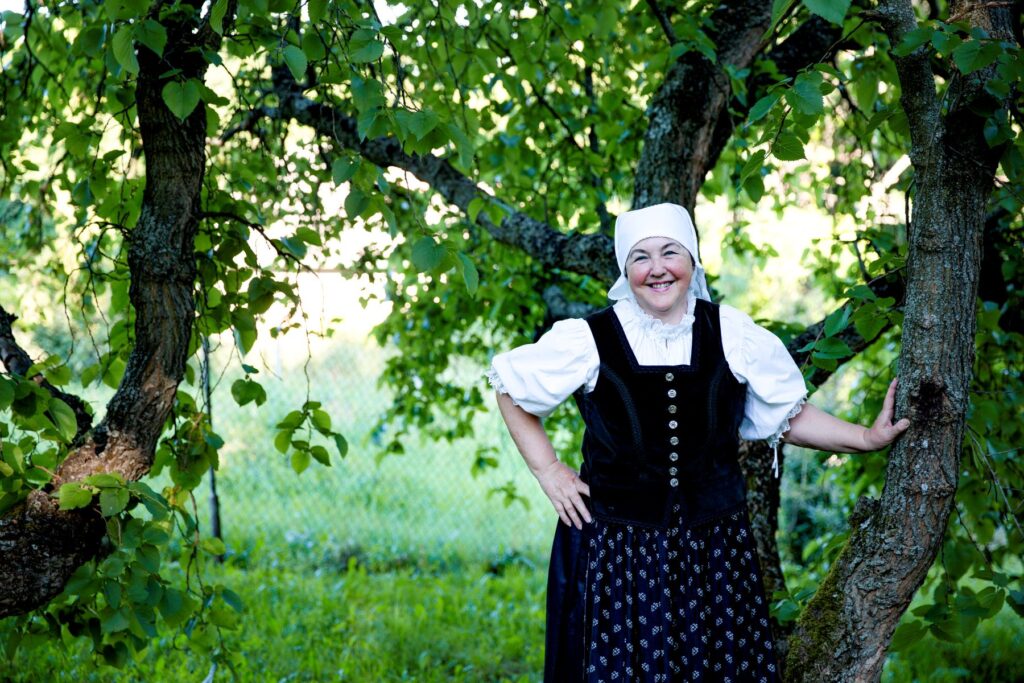
People have known about the healing properties of its fruit and leaves since ancient times, and locals still use it today to make a range of products, from jams and syrups to various tinctures. The black mulberry is the only tree in Slovakia with its own recipe book and festival. It’s celebrated in two places – in Pukanec during the Pukanec Culinary Festival, and in neighbouring Bátovce during the Archa Chutí (Ark of Flavours) Festival.
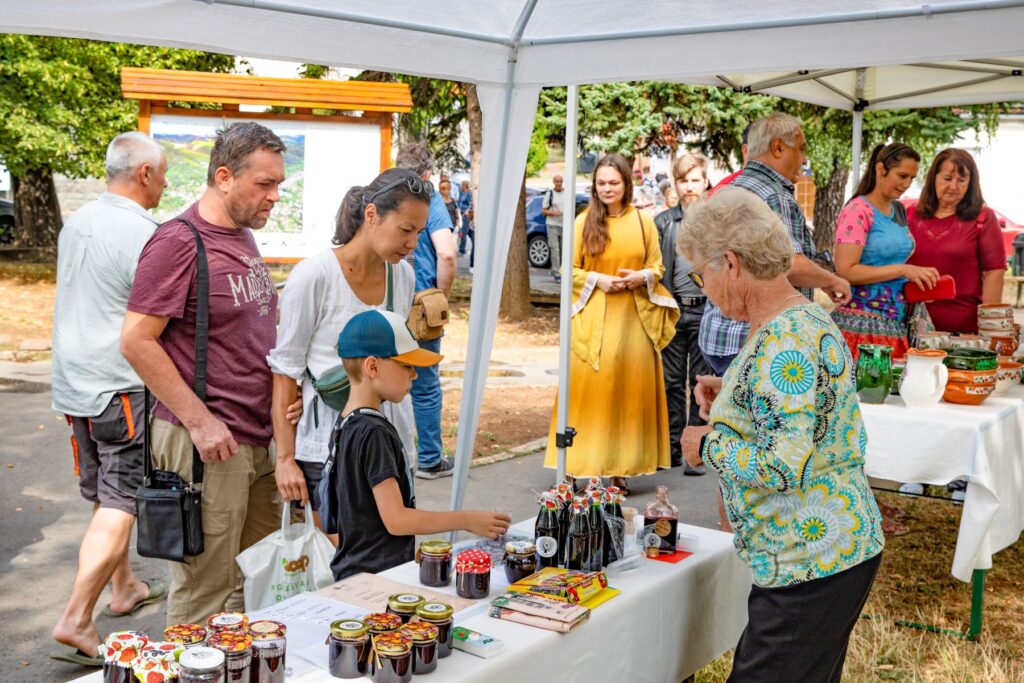
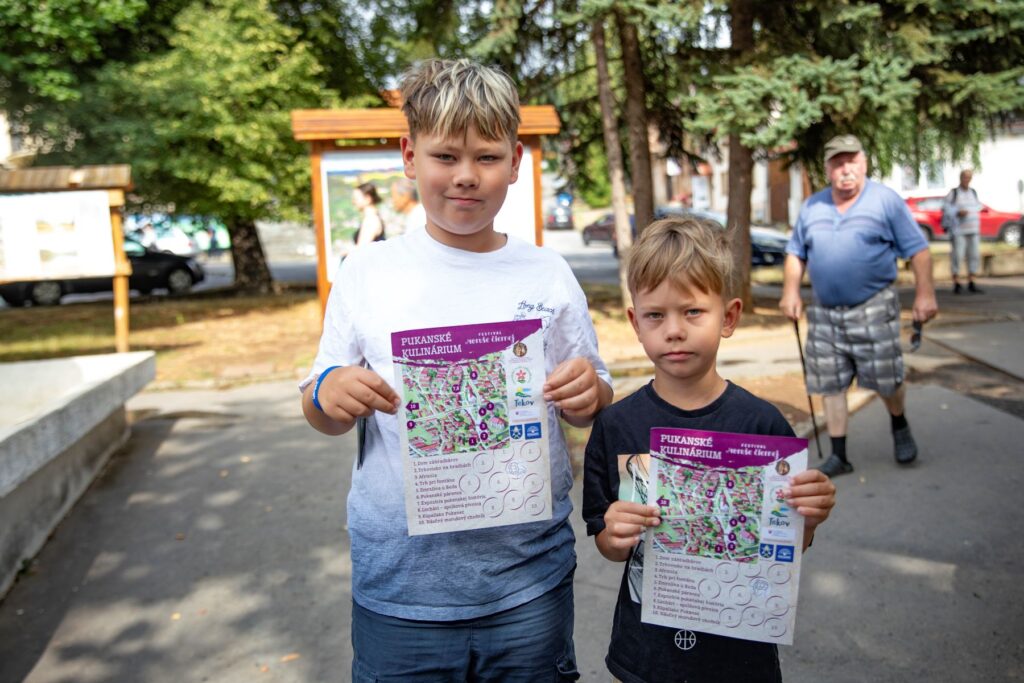
Stop by and discover a pearl on the border of the Tekov and Hont regions – the picturesque free royal town of Pukanec …
Bátovce
Although Bátovce has no mining monuments of its own, the town was closely linked to mining in centuries past. Historical documents preserve its title as Forum reginae, or Fraumarkt – the Queen’s Town. For the free royal town of Pukanec, as for other mining towns, it performed a service role, holding the privilege of hosting markets and supplying them with food. A reminder of these historical ties is the so-called Lower Gate (Dolná brána) – the former entrance point into the town. Here you’ll find a memorial plaque set into the wall beneath the parish Church of St Martin.
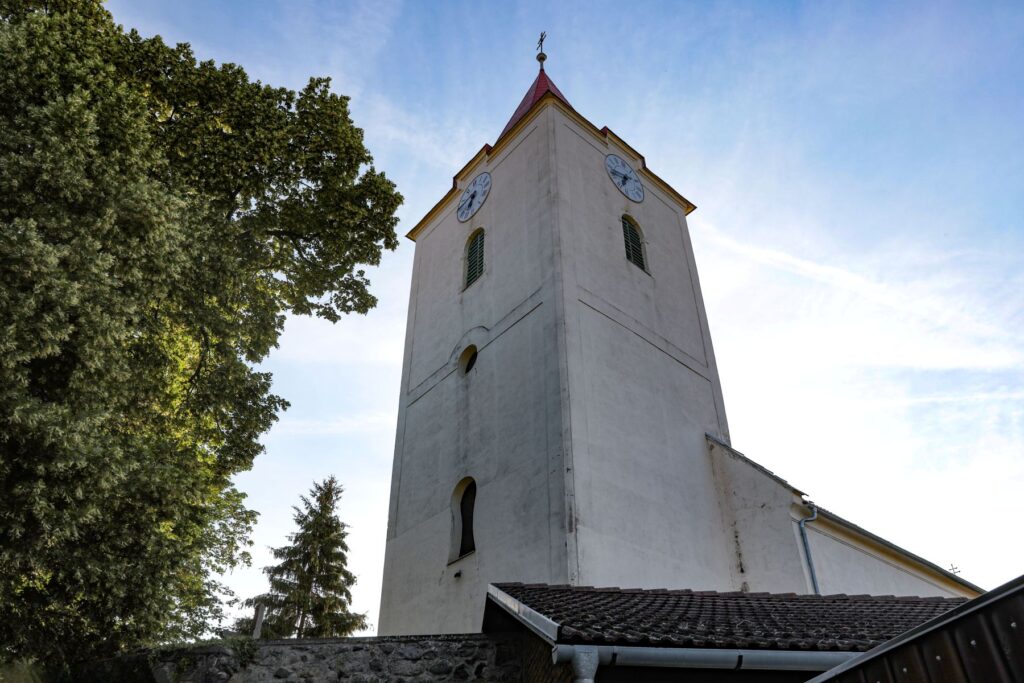
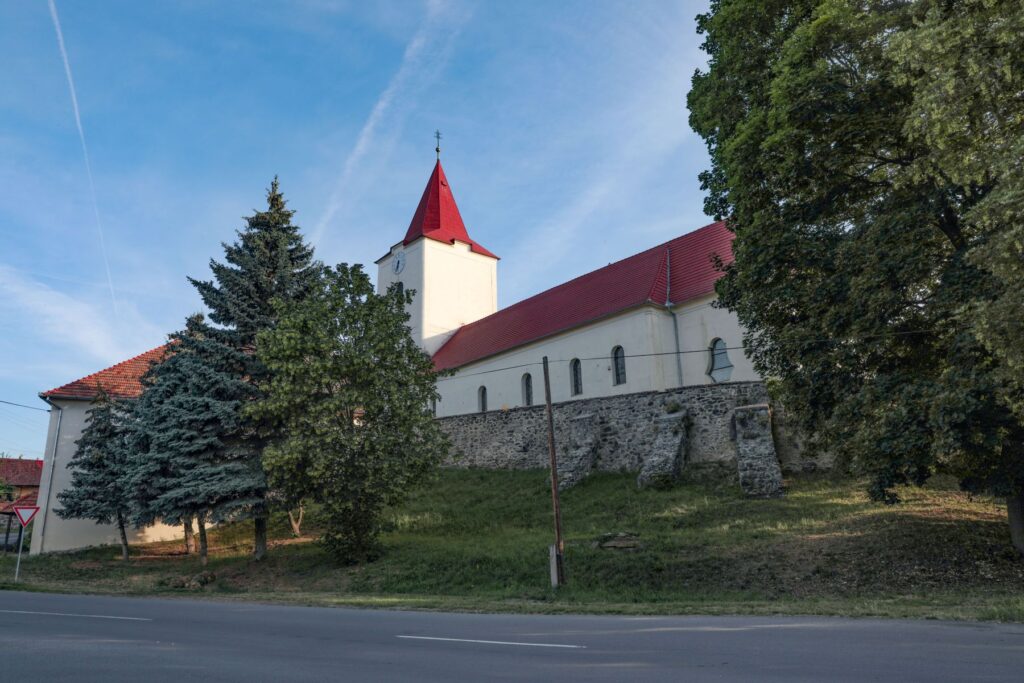
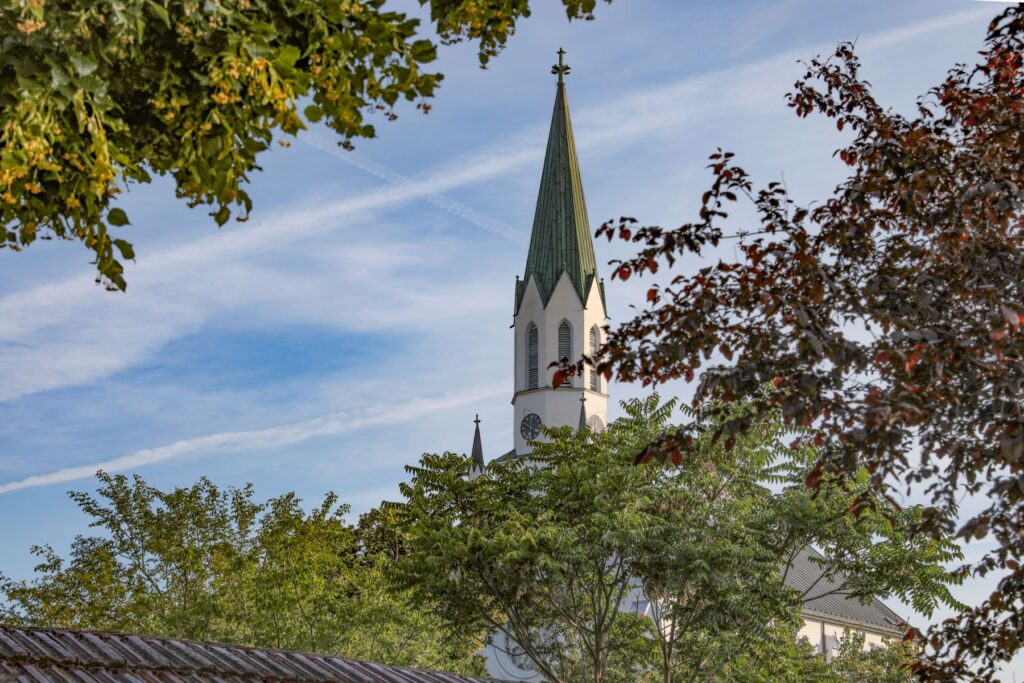
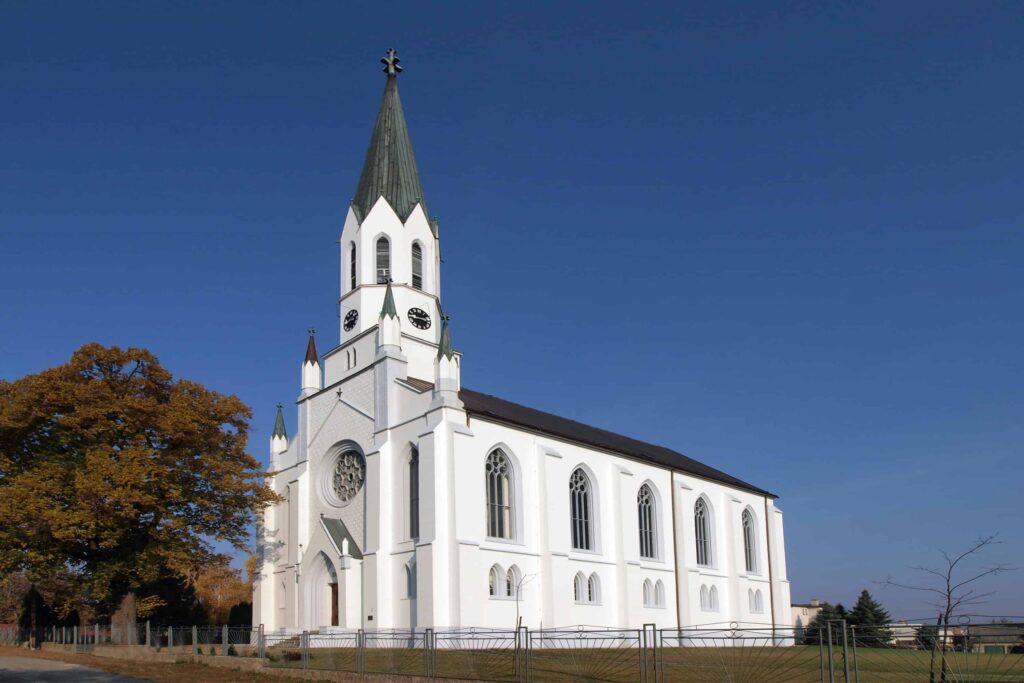
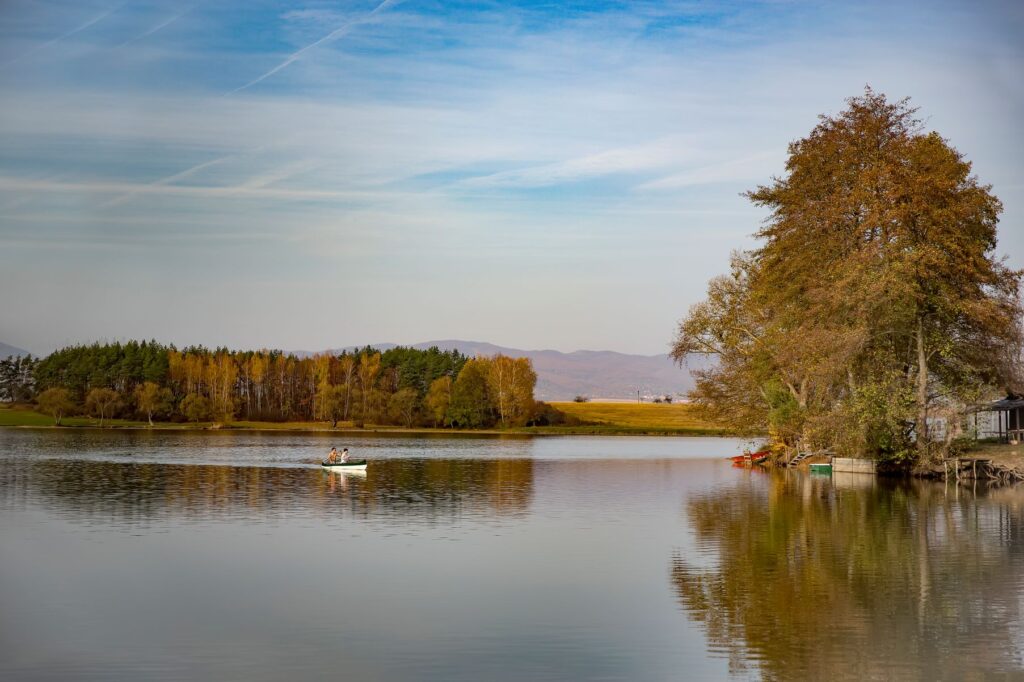
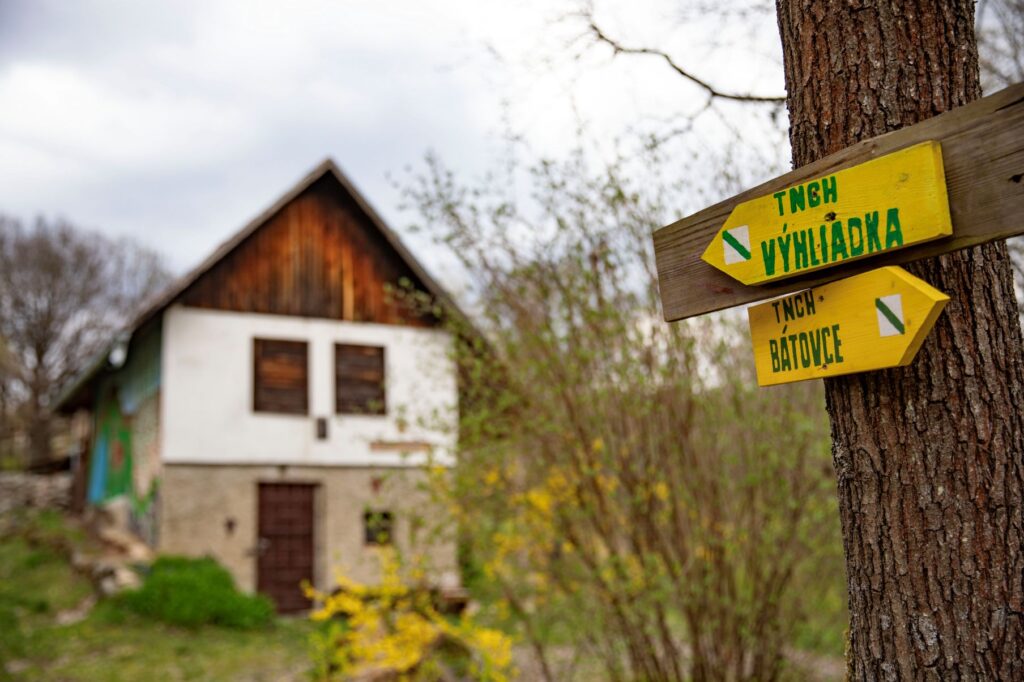
The Around the Town of Queens Nature Trail leads from the Lower Gate. It highlights natural and historical points of interest around Bátovce, such as the Lipovina water reservoir and a wine-growing area with its typical wine cellars, known as ľochy, ending at the Borovica Lookout, with its panoramic view over the Bátovce basin. The route forms a loop – after descending from the lookout, you pass by the water reservoir back into the village.
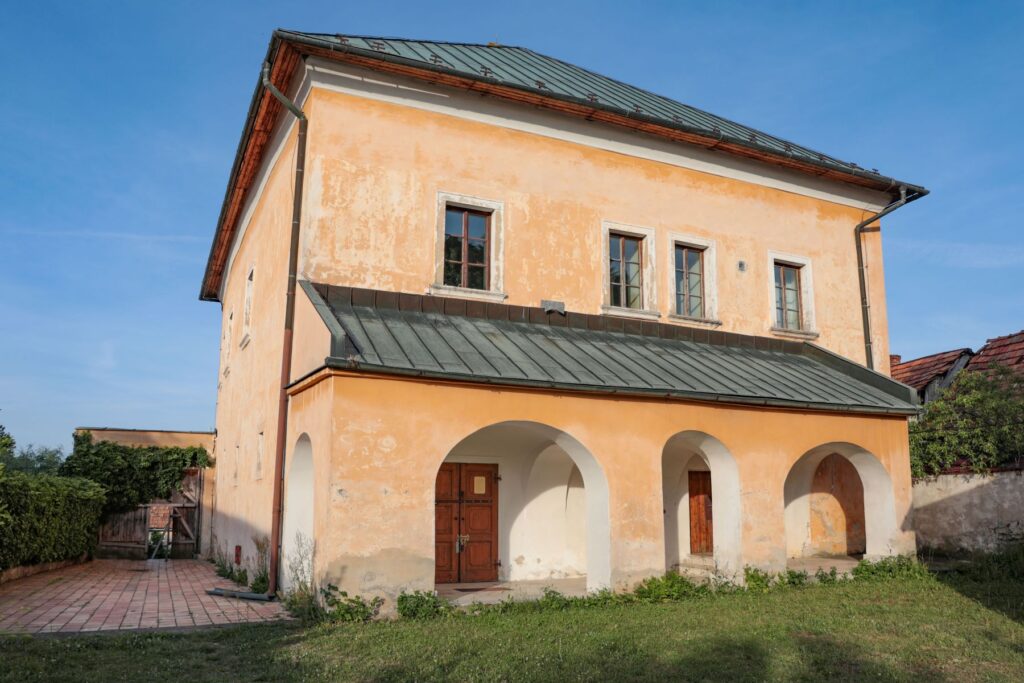
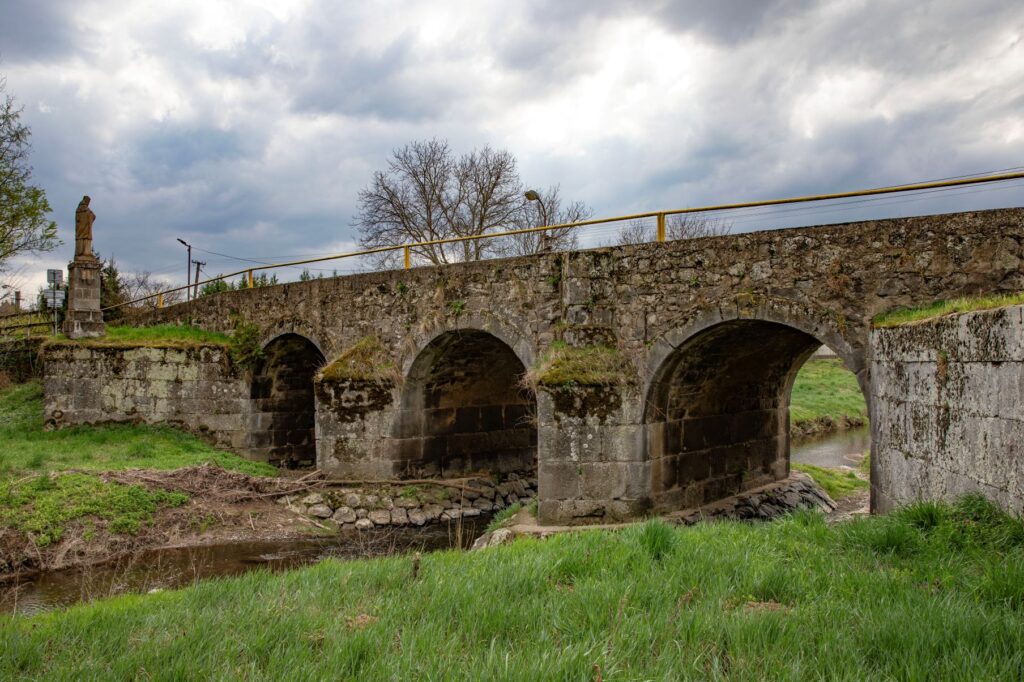
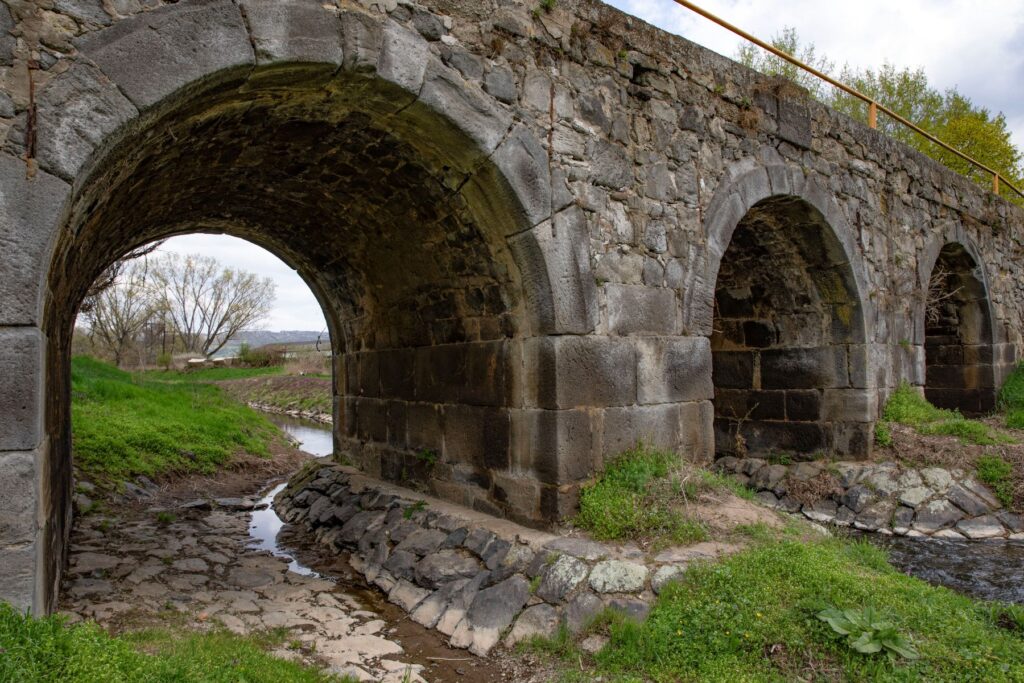
Bátovce boasts a number of historical monuments. Probably the oldest is Schneider Manor, today home to the local museum. Its exhibitions bring to life the rural world of our ancestors and the bygone era of socialism. The village’s dominant feature and a wonderful piece of technical heritage is undoubtedly the Baroque bridge from 1770, preserved to this day in its original form. Part of the village has been declared a protected heritage zone.
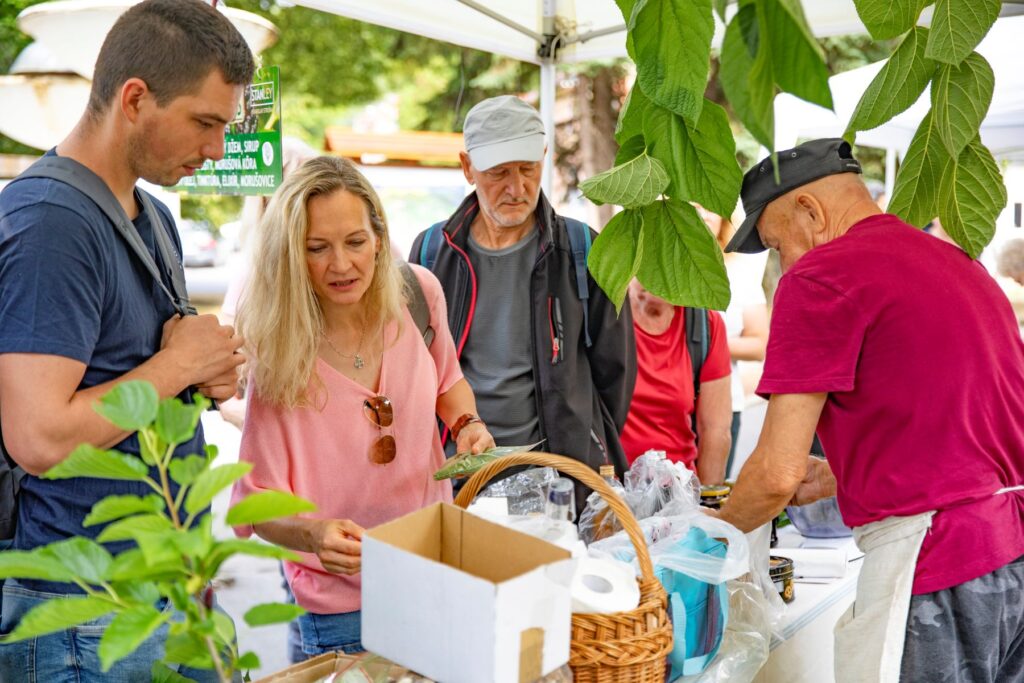
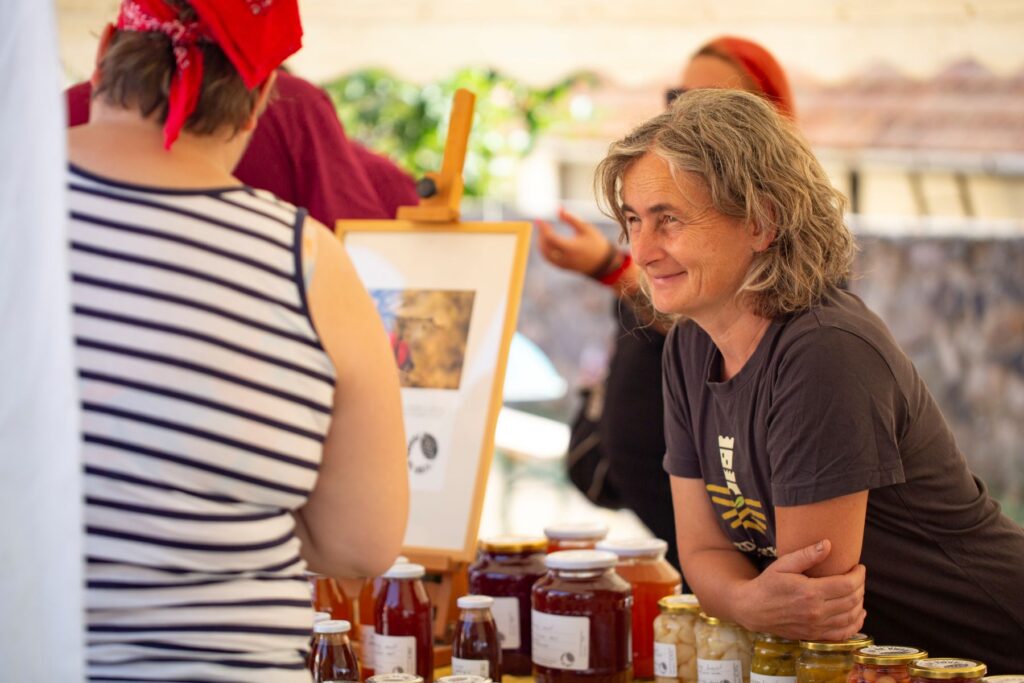
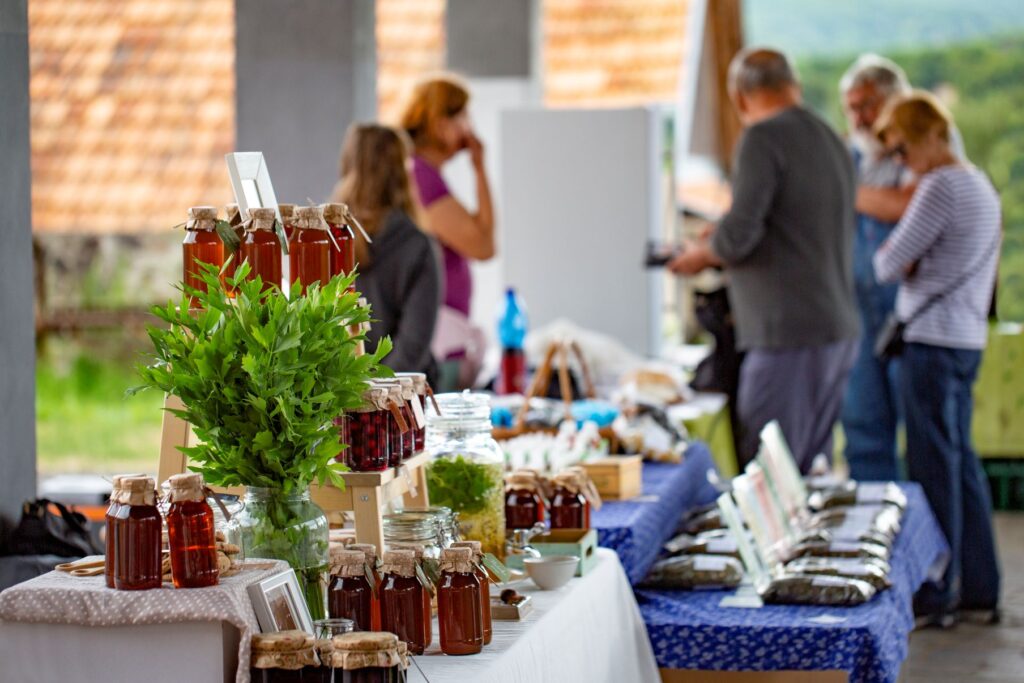
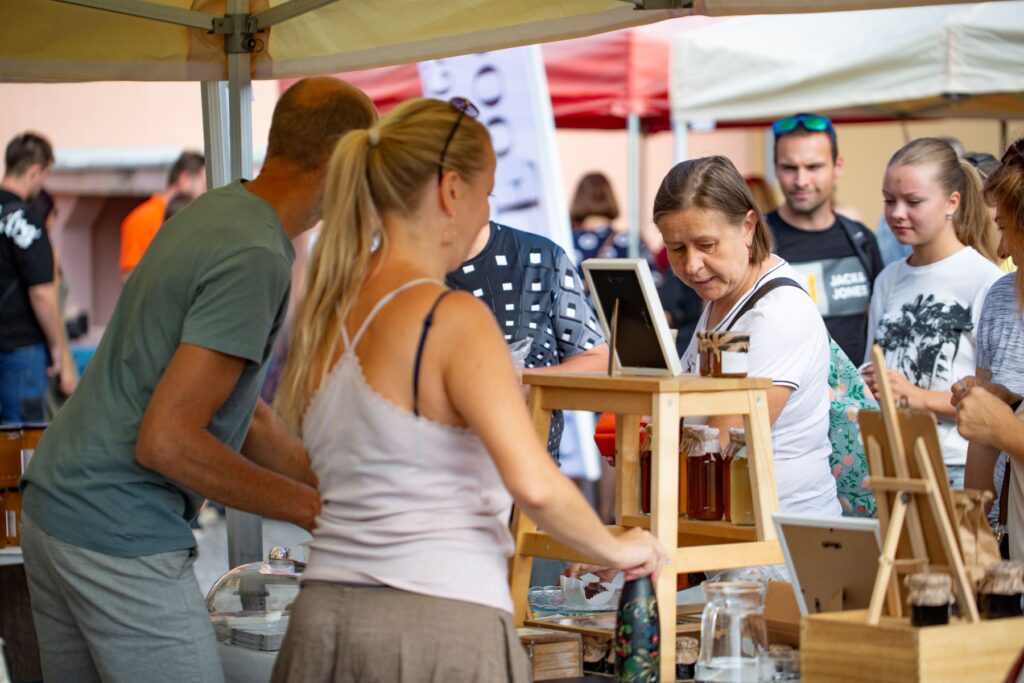
The local Farmers’ Yard (Gazdovský dvor) comes to life every Saturday (7.30–11.30 am) with the SLOW FOOD Earth Market, showcasing local vendors and local produce. You can sample them, for instance, in the form of a delicious lunch prepared right at the market from locally sourced ingredients. The market symbolically continues the ancient tradition of medieval markets from the days when mining flourished.



Discover this ancient history and soak up the atmosphere of a village market …