The power of water. People have made use of it since ancient times. It turned the wheels of water mills, irrigated fields, formed a natural barrier, and stood at the birth of many settlements.
Even today, rivers and watercourses bear witness to bygone times in the form of structures people built along them. Many have long since disappeared, replaced by the technical achievements of the modern age. But a few have survived and are now protected as historic monuments – proof of the ingenuity and resourcefulness of our ancestors.
And although the river Hron plays the leading role in the Tekov Region, this time it won’t be all about the it. Centre stage belongs instead to the Sikenica stream and the Perec water channel. It is on these two watercourses that the region’s most precious technical monuments have survived …

The first of these is the Baroque bridge in Bátovce. It has spanned the Sikenica stream for 250 years now. It was built chiefly to provide access to a military ‘hospital’ in nearby Pečenice. Its history dates back to 1780, and it is adorned with a statue of one of the Baroque era’s most important saints, St John of Nepomuk. This former mining town, which once held the privilege of holding markets and is still known today as the ‘Town of Queens’, also boasts other points of interest. These include Schneider Manor, today home to the village museum, a protected heritage zone in the village centre, and the Lipovina water reservoir together with the Borovica Lookout and the Around the Town of Queens Nature Trail.
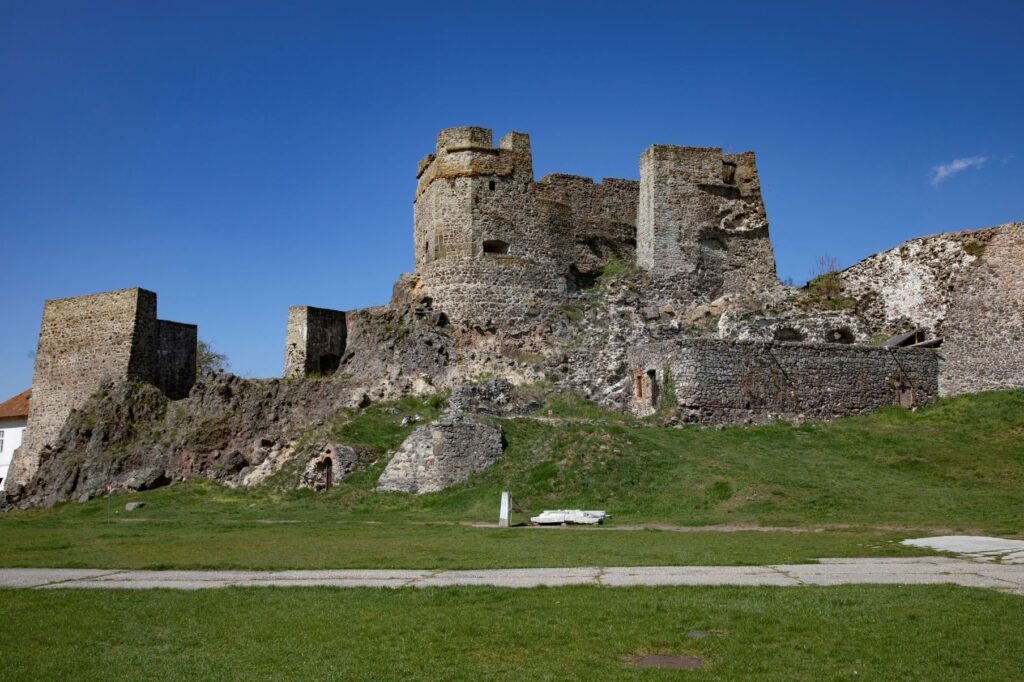
The Perec water channel was built back in the days of the Kingdom of Hungary as a left-bank branch of the Hron, running 53.5 km in length. The force of its current powered a number of water mills, the largest of which was the Schoeller Mill in Levice. In sheer size, only Levice Castle surpassed this majestic building. It remains one of the town’s defining landmarks.
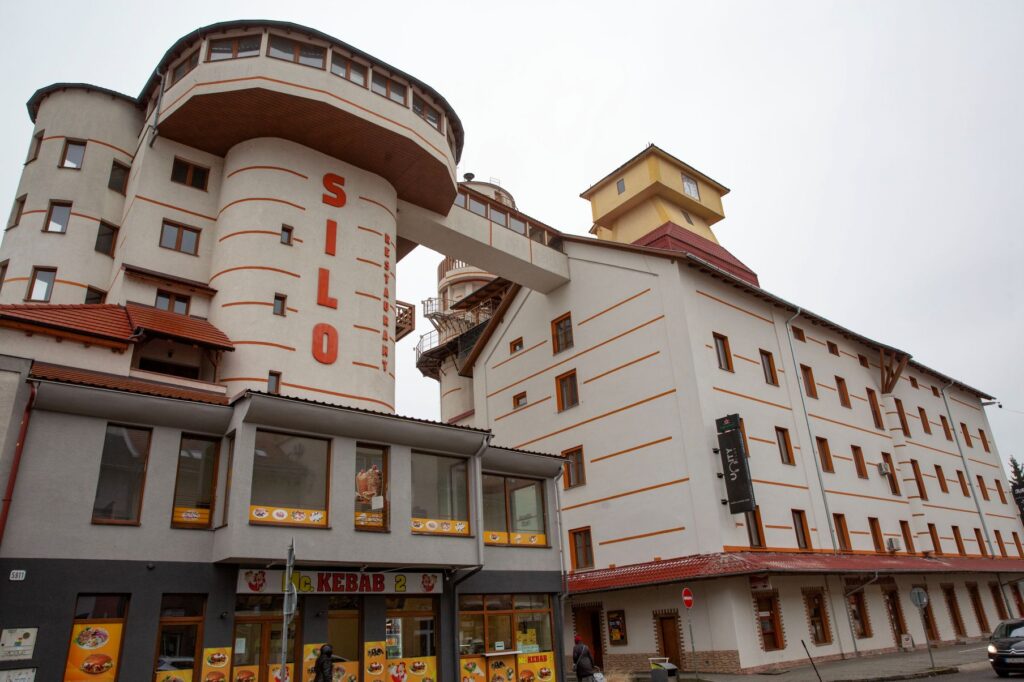

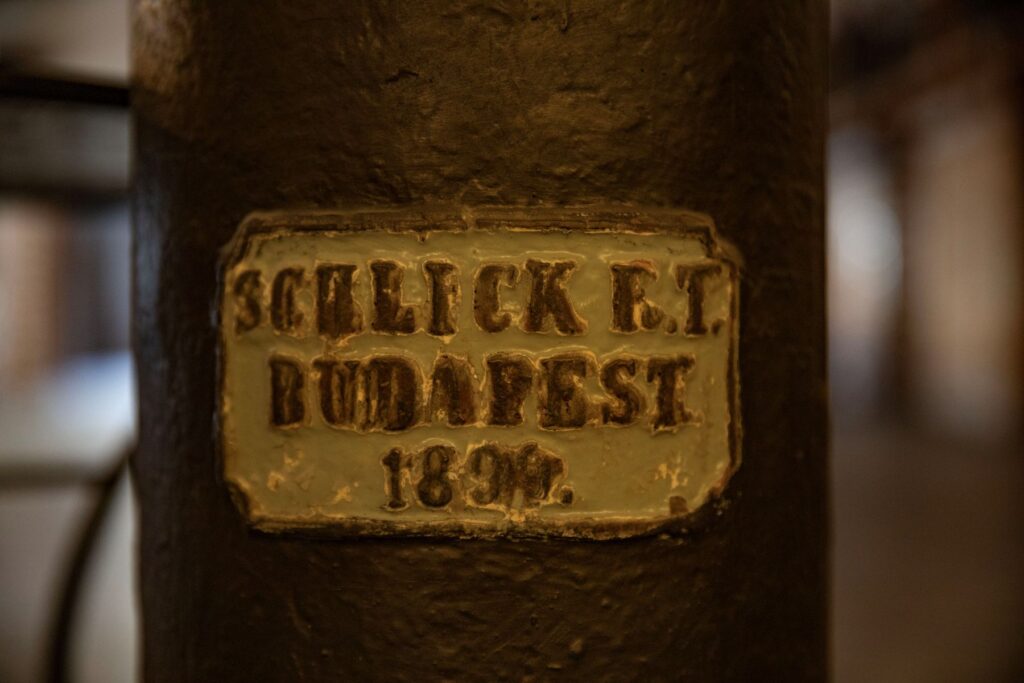
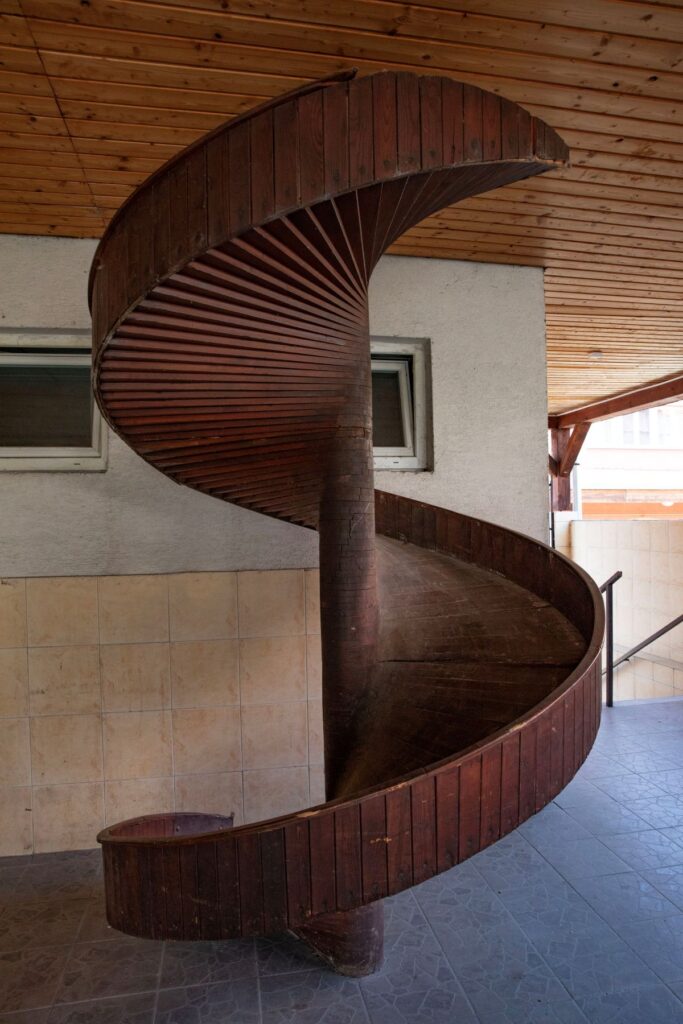
Its construction, in 1882, is credited to the owners of the Levice estate, the Esterházy family. The mill later burned down but was rebuilt. In 1897 the Levice estate passed into the hands of the Schoeller family, who modernised the mill, most recently in 1926–27. Its four-storey silo for long-term grain storage survives to this day. The mill employed around 80 people and processed 2,300 wagon-loads of grain a year. It was fitted with the most modern technology of its time, had a laboratory of European standing, its own power plant and a kiln. Products from the Levice mill were known throughout Slovakia and won prestigious awards.
Today the building has been converted into office space. One part of it houses the Schoeller café, where a historic section of the building’s original timber structure has been preserved. It is open to the public during the café’s opening hours.


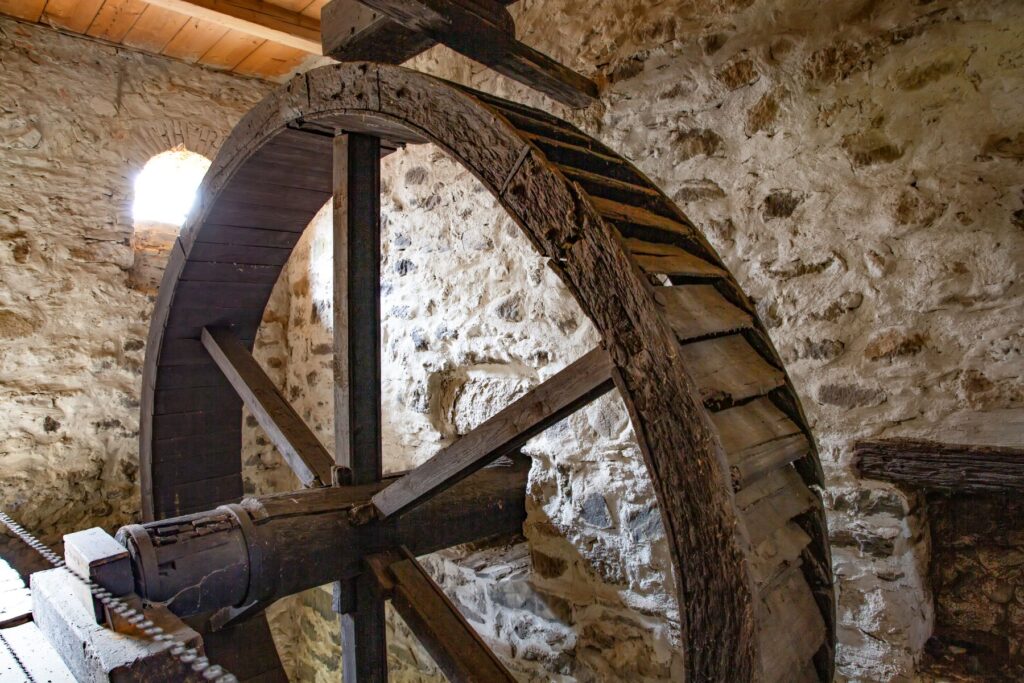
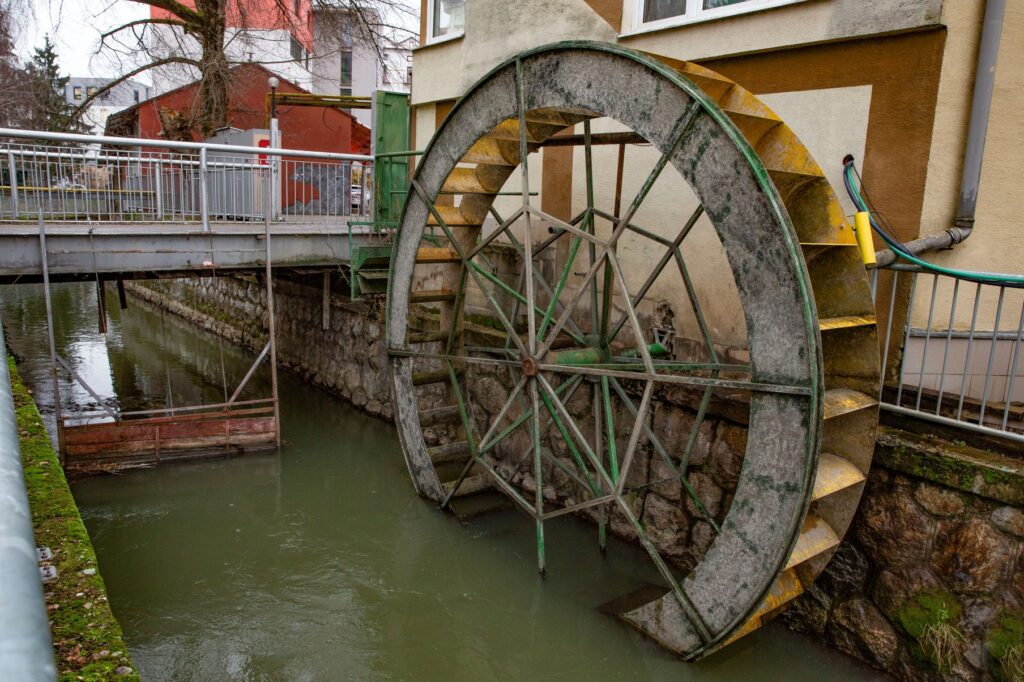
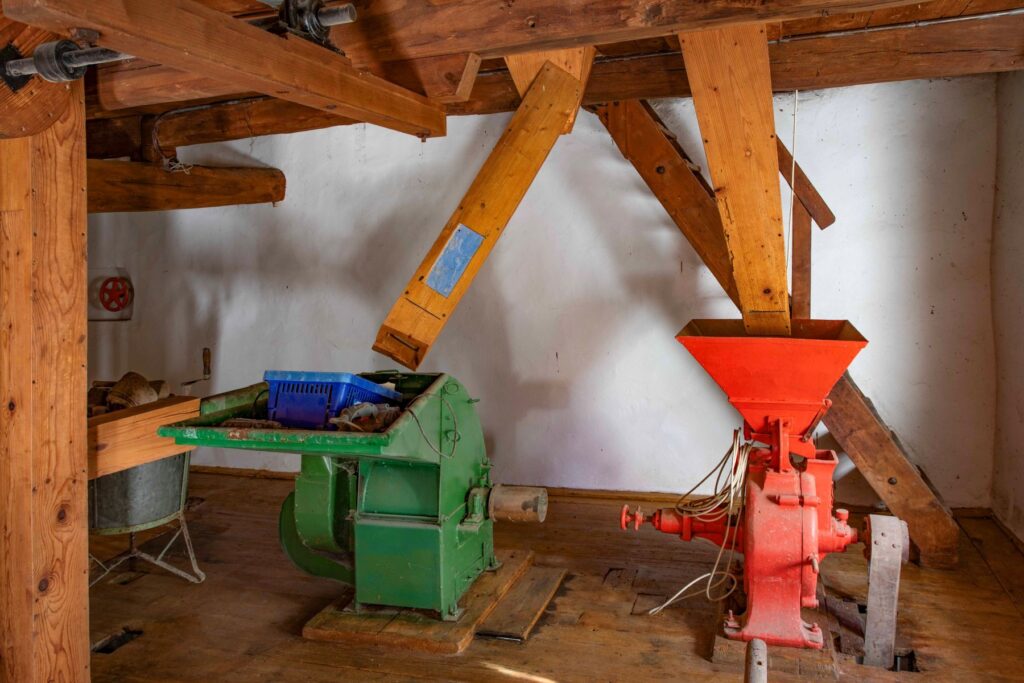
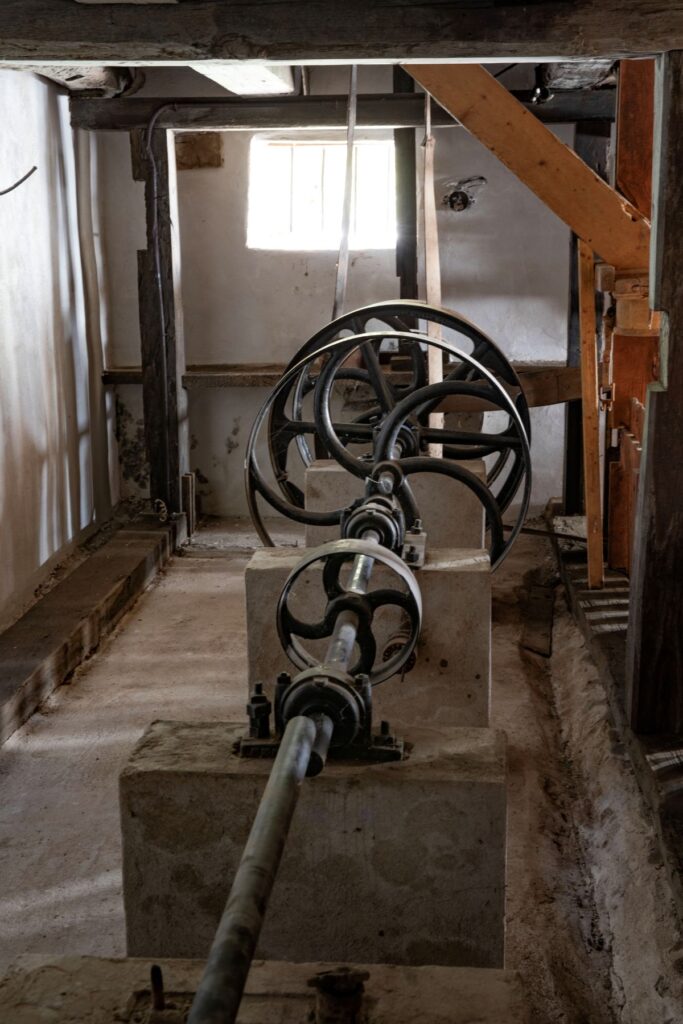
It’s not only the Perec that was once dotted with water mills – so was the Sikenica stream. One that survives in excellent condition is the Turčan Mill in Bohunice, today a branch exhibition of the Tekov Museum in Levice. The village once had six mills, kept running year-round by the Sikenica’s abundant water. The mill’s last owner, Pavol Turčan, had it renovated several times, fitting it with roller mechanisms and even an electric drive. Three grades of flour were milled there – fine, coarse, and semolina. Also striking is the water wheel, 4.64 m in diameter, housed in the ‘ráštubňa’ – a chamber that protected it from frost and drying out.
The branch exhibition at the Bohunice Mill is open to the public from May to October, Friday to Sunday, 10 am to 6 pm.
The branch exhibition is currently CLOSED for technical maintenance.
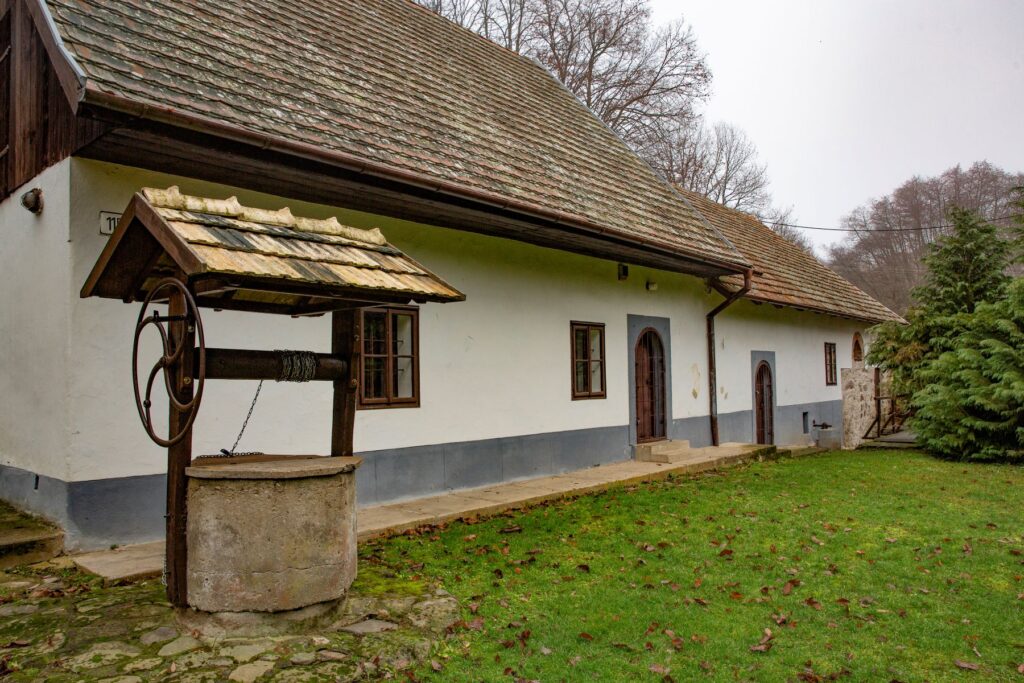
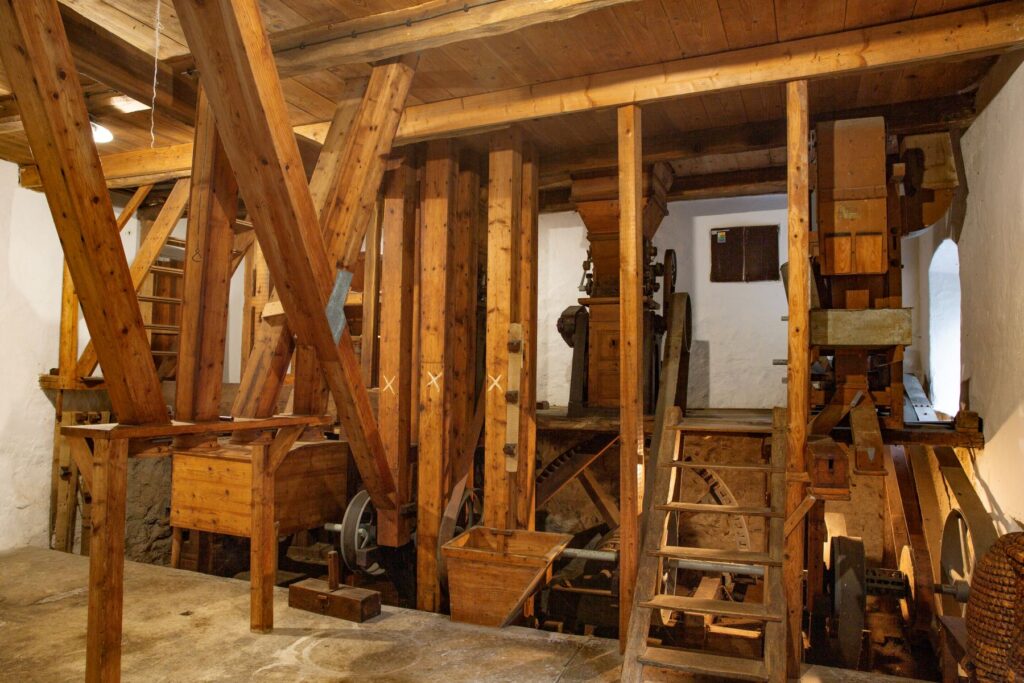
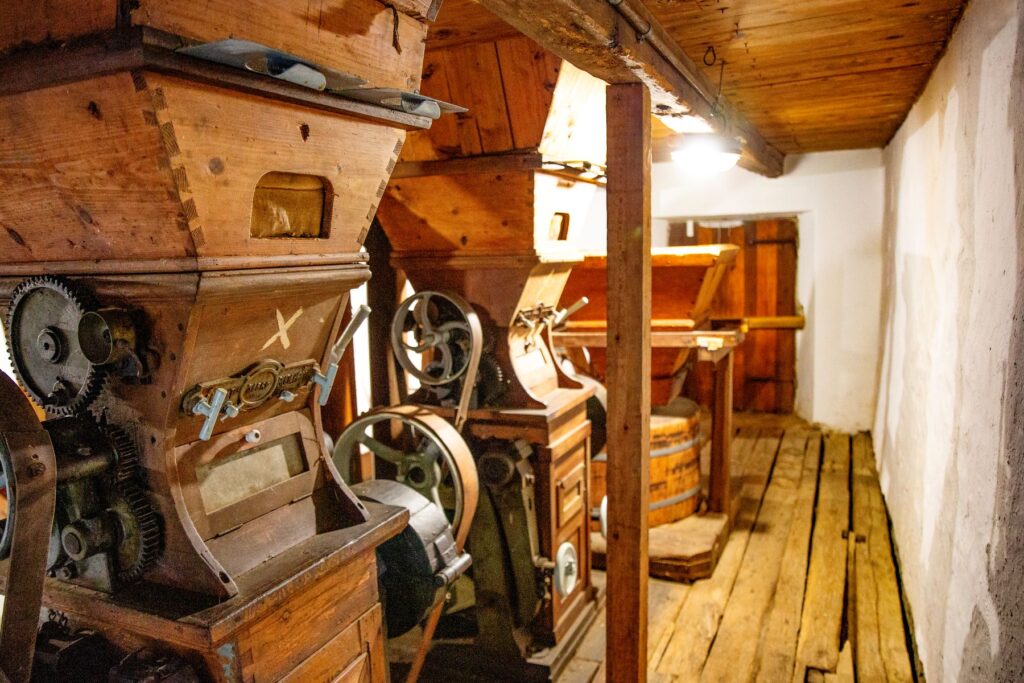
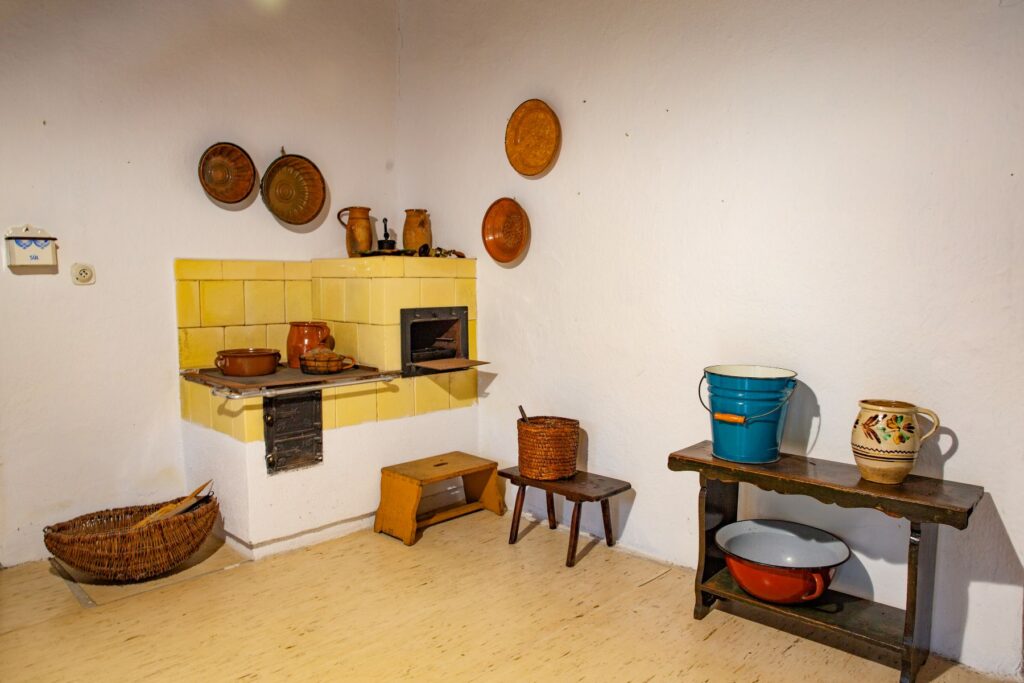
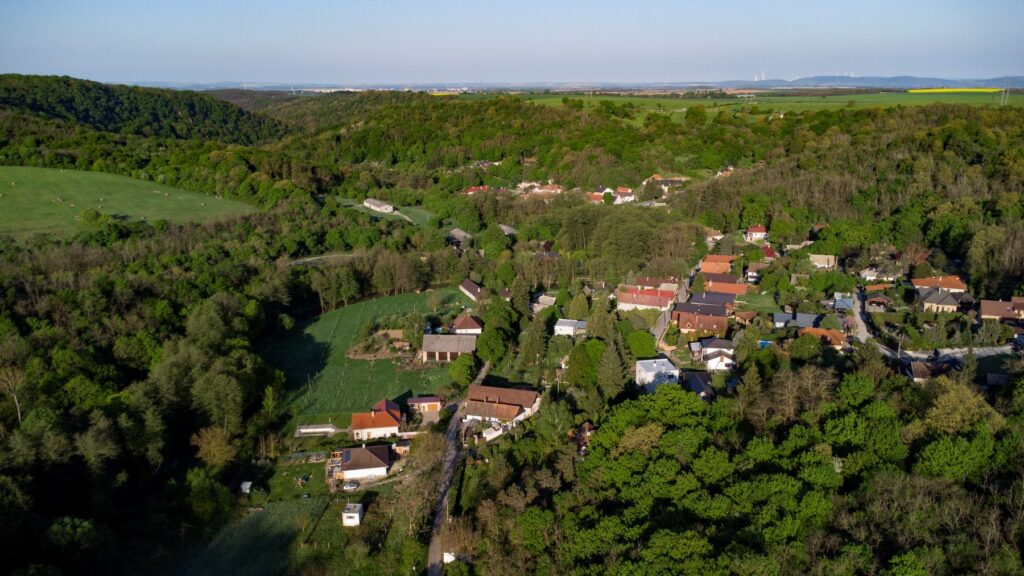
The Sikenica stream was once thick with water mills. They never stood alone – they usually came in pairs. Within the Horšianska dolina National Nature Reserve, a distinctive canyon amid fertile fields, there were once even more of them. One survives to this day in the built-up part of Horša (a district of Levice), and you can also spot the remains of another while walking through the northern part of the canyon. The smaller mills were forced to close after nationalisation in the 1950s; some were later used by local agricultural cooperatives to grind feed.
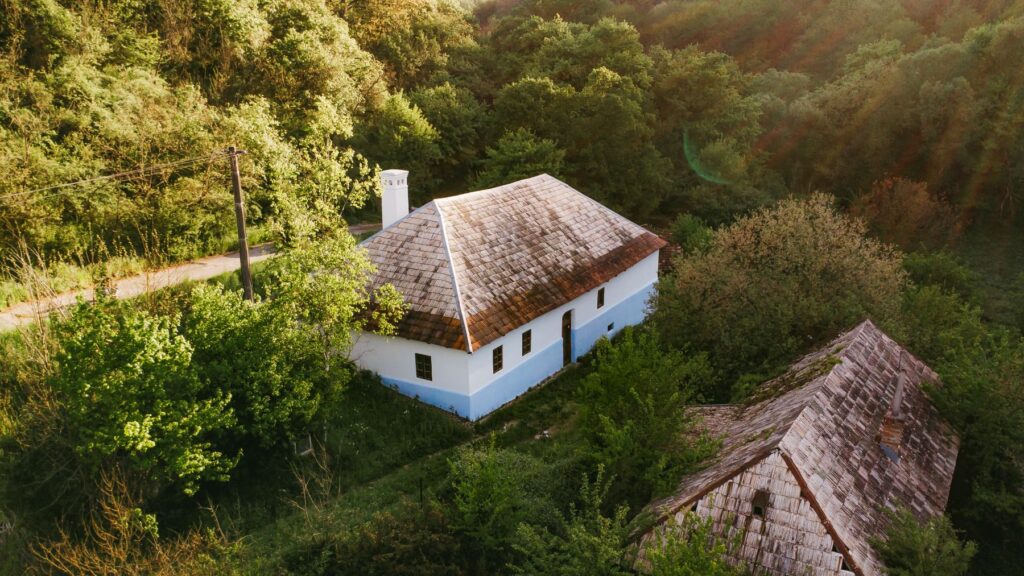

And if you do visit this striking canyon, set out to explore its untamed wilderness. A nature trail nearly 8 km long lets you take in the full beauty of this natural phenomenon that is Horšianska dolina.

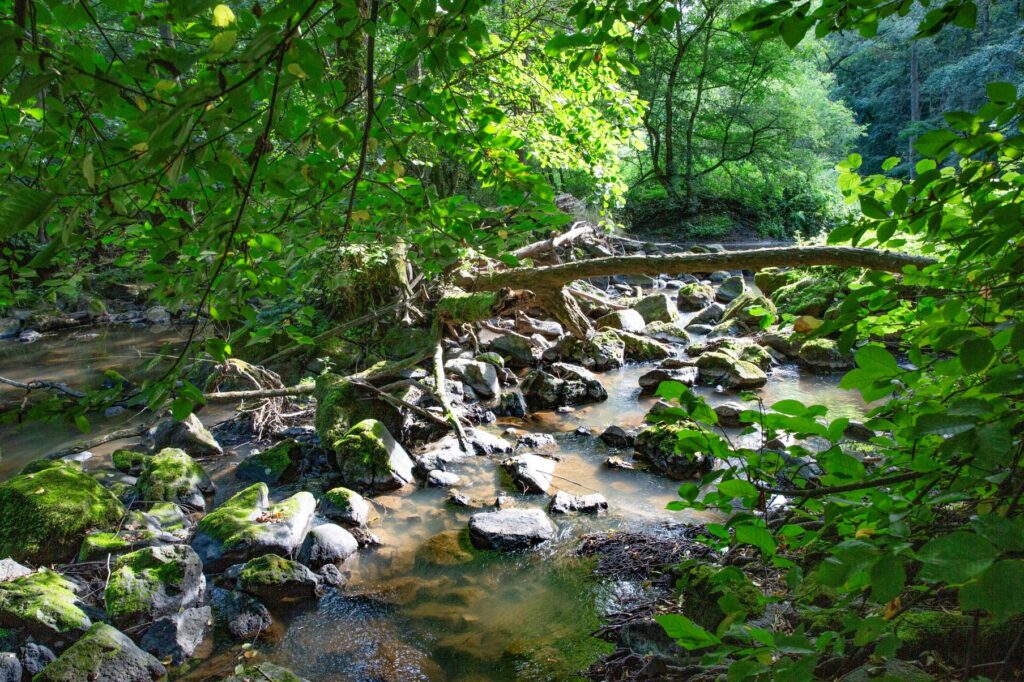
While the Podlužianka stream has flowed through the Tekov area since ancient times, the Perec water channel wasn’t always here. It came into being as a way of easing the strain on water mills along the lower Hron caused by rafting building materials downstream to Lower Hungary. This gave rise to the idea of building a water channel along the left bank of the Hron. It served as a water source for mills, and later also for irrigating the surrounding fields and feeding the Levice fishponds and gold-panning sites.
Since it was built, the Perec has undergone numerous regulation works. Among the most remarkable modifications to its course is undoubtedly the Levice inverted siphon (zhybka) – the point where the Perec channel passes underneath the bed of the Podlužianka stream. This unique piece of engineering was built back in 1911.
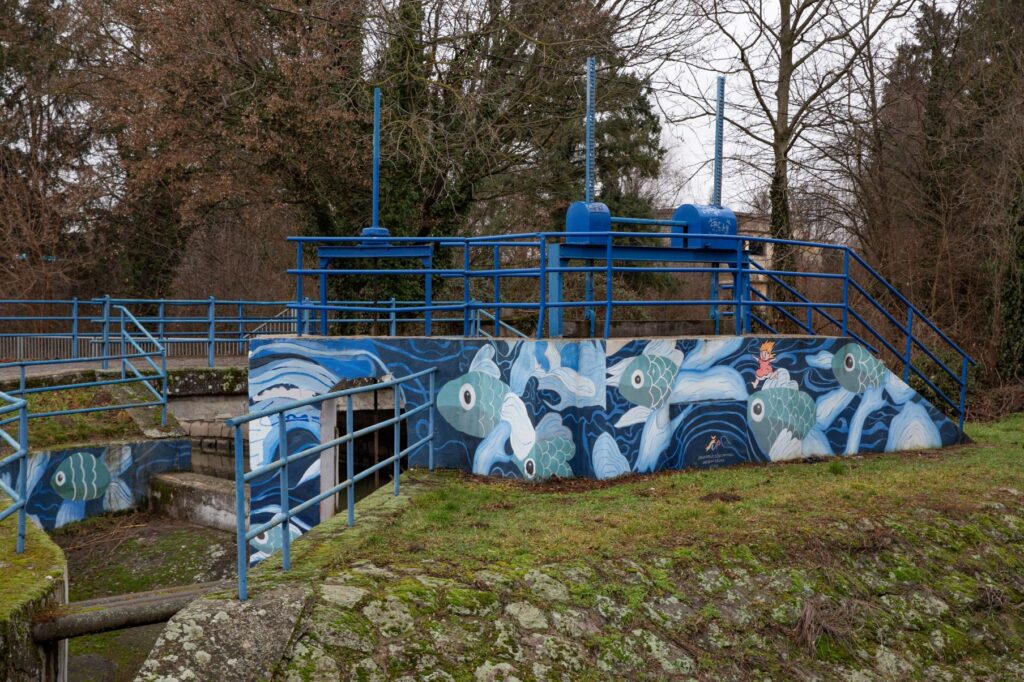
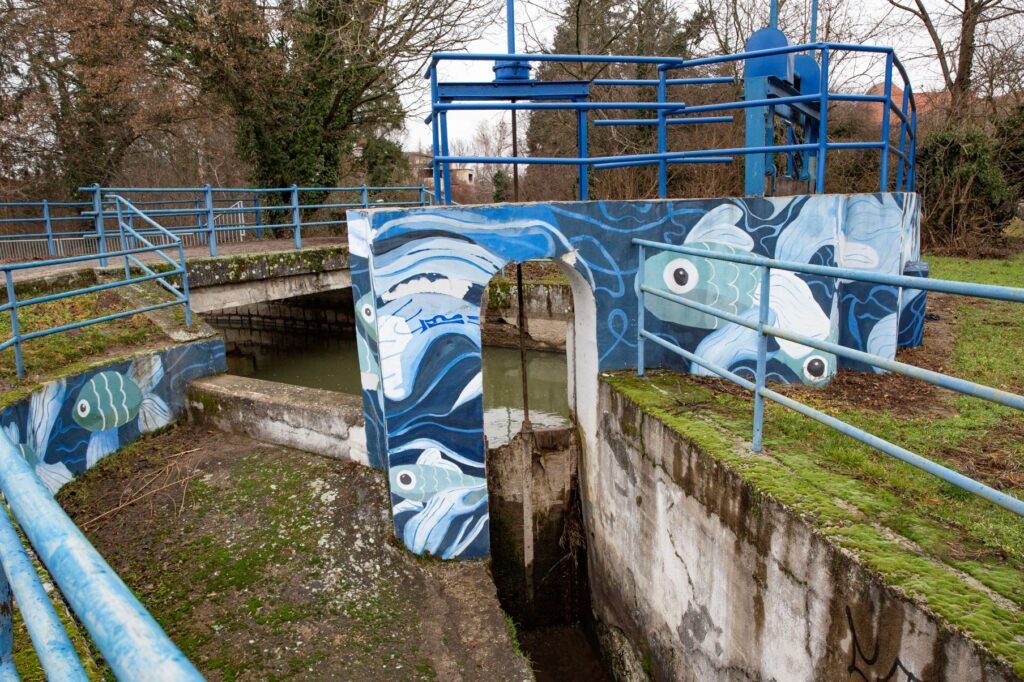
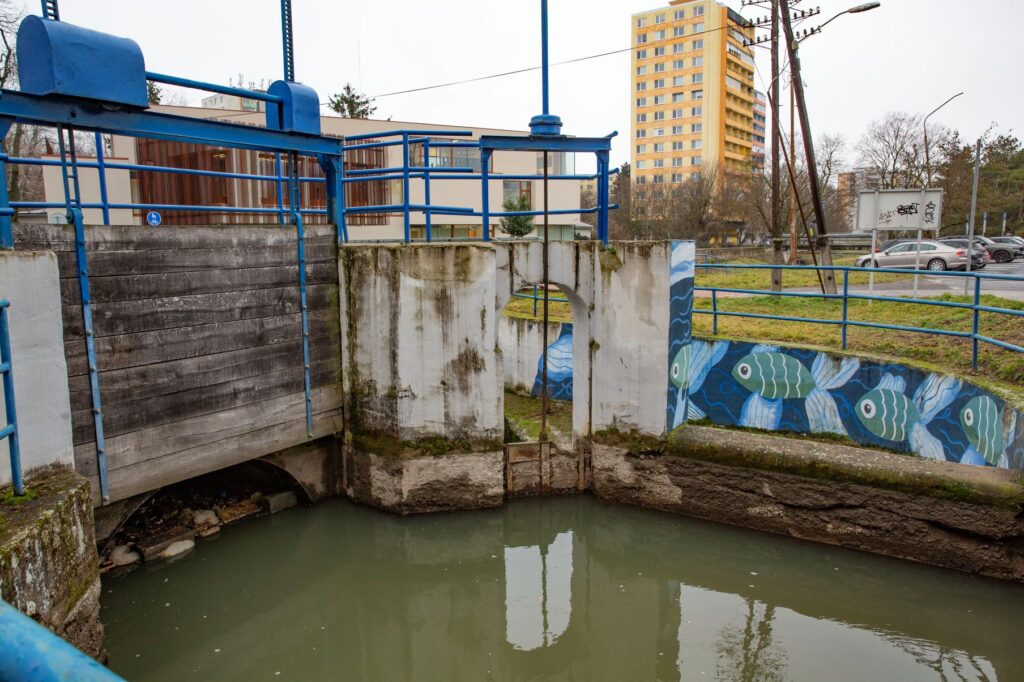
The siphon consisted of three cast-iron pipes, each one metre in diameter, which carried the flow of the Perec beneath the Podlužianka. On either side, the pipes fed into two water reservoirs. The siphon was capable of channelling 4 m³ of water per second. Building it required temporarily diverting the watercourse through private land and the castle gardens – a masterful feat of engineering at a time when cranes and bulldozers were anything but a given …
Half a century later the siphon was technically upgraded, and there is now talk of modernising it further. You’ll find the Levice siphon near Levice Castle and its castle park.
Enjoy the beaty of technical monuments through the following links:
Technical monuments – From village of Bohunice to Horsianska Valley (Part 1)
Technical monuments – town of Levice (Part 2)
Stop by Tekov and admire the ingenuity of our ancestors …