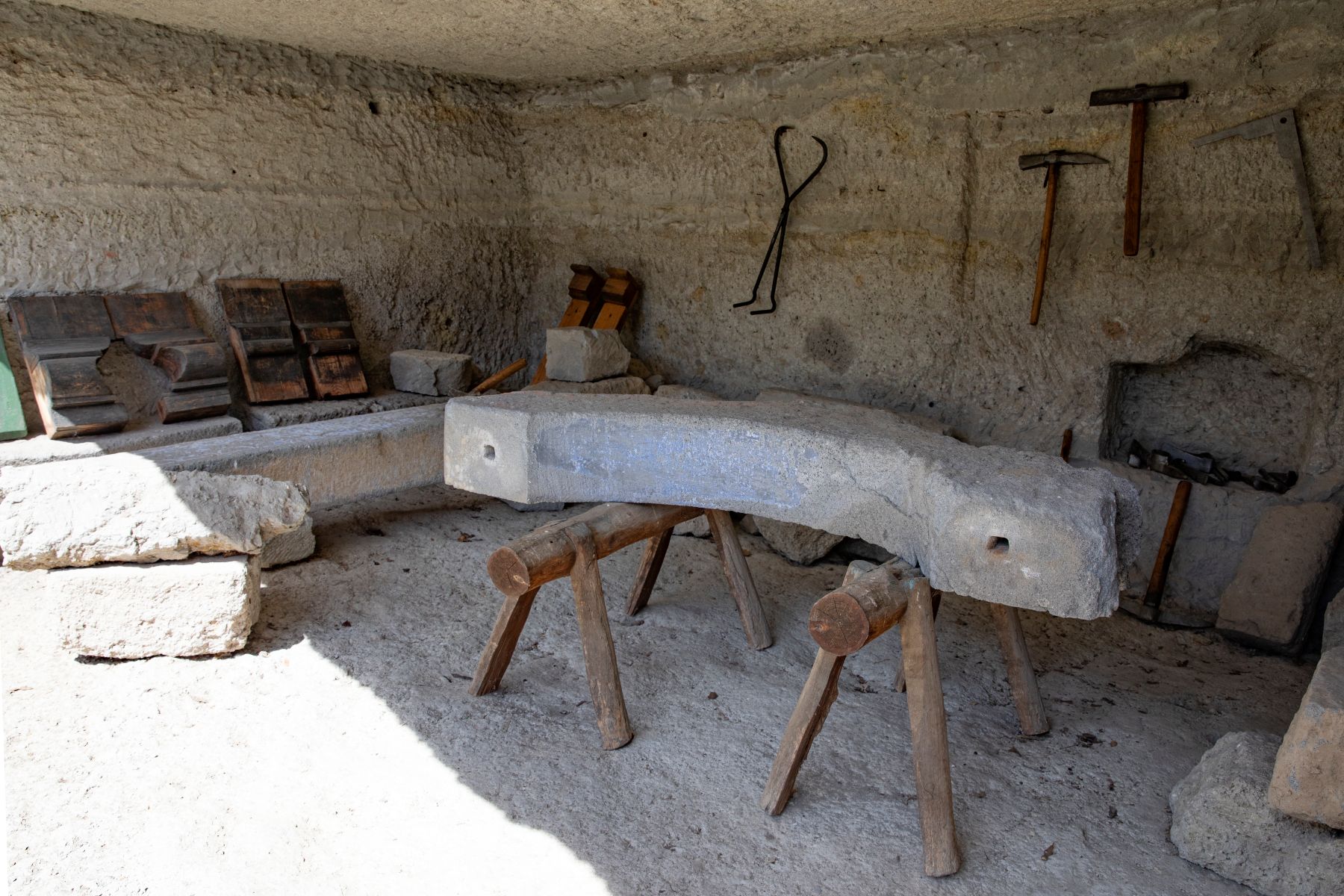
The rock dwellings of Brhlovce attract no small amount of public attention. Yet this Europa Nostra award winner (1993), also home to the Open-Air Museum of Folk Architecture in Šurda Lane, isn’t the only attraction worth the trip to Brhlovce. Somewhat overlooked are Körnmöndy Manor, the Church of Our Lady of Sorrows, and the stonemason’s craft, which until fairly recently was still practised here, among other things, in the making of stone grave crosses. What links these points of interest is a history shaped by the skill of old Italian master stonemasons – all of it set amid vine-covered volcanic slopes.

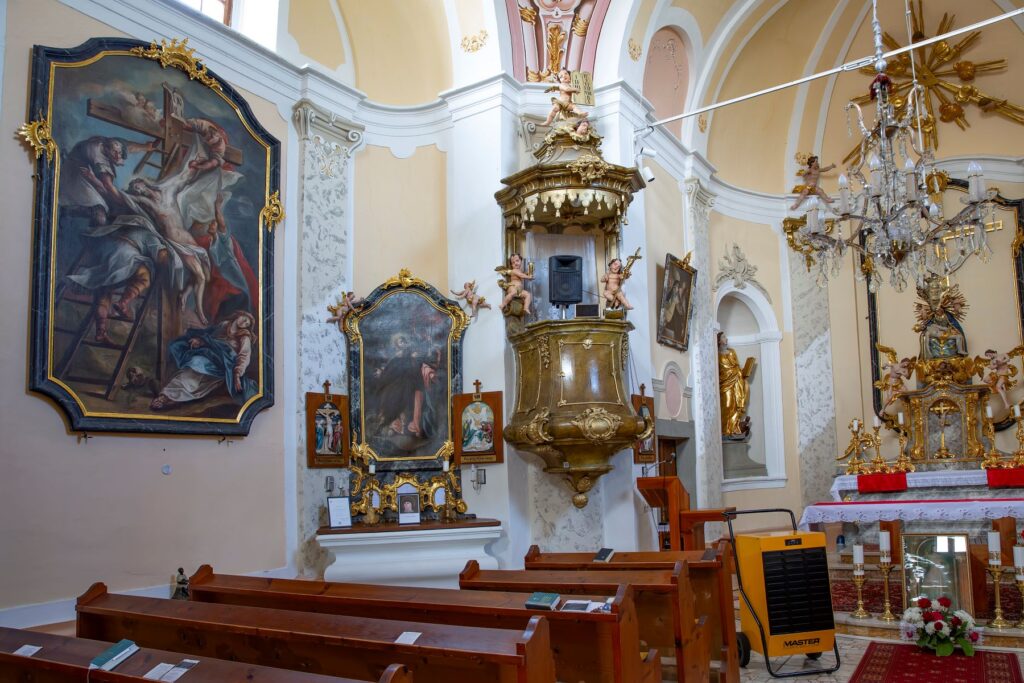
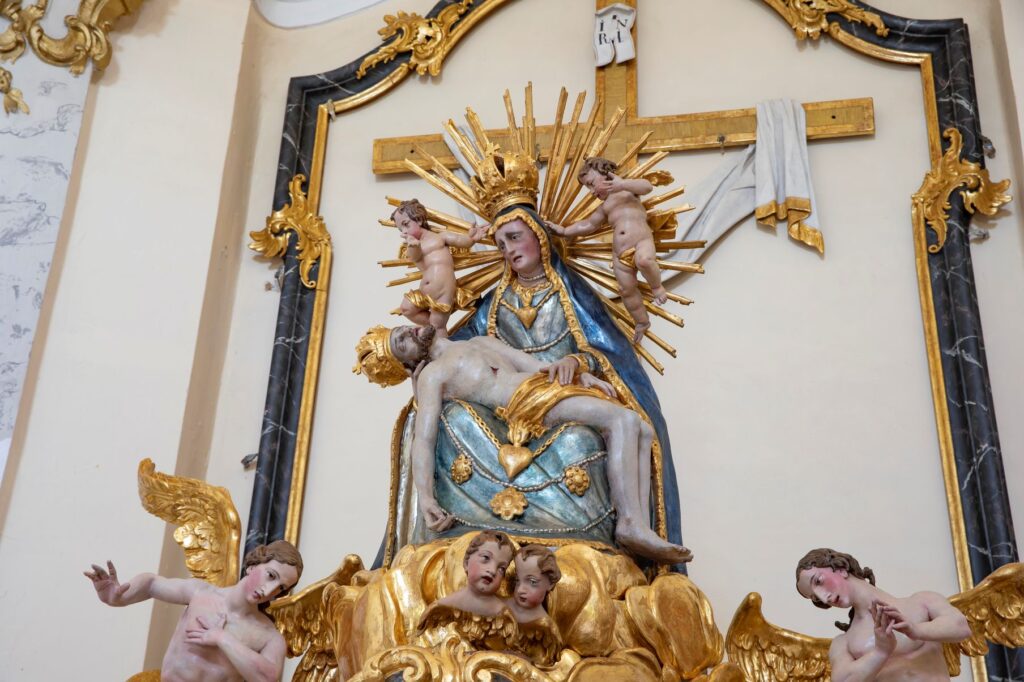
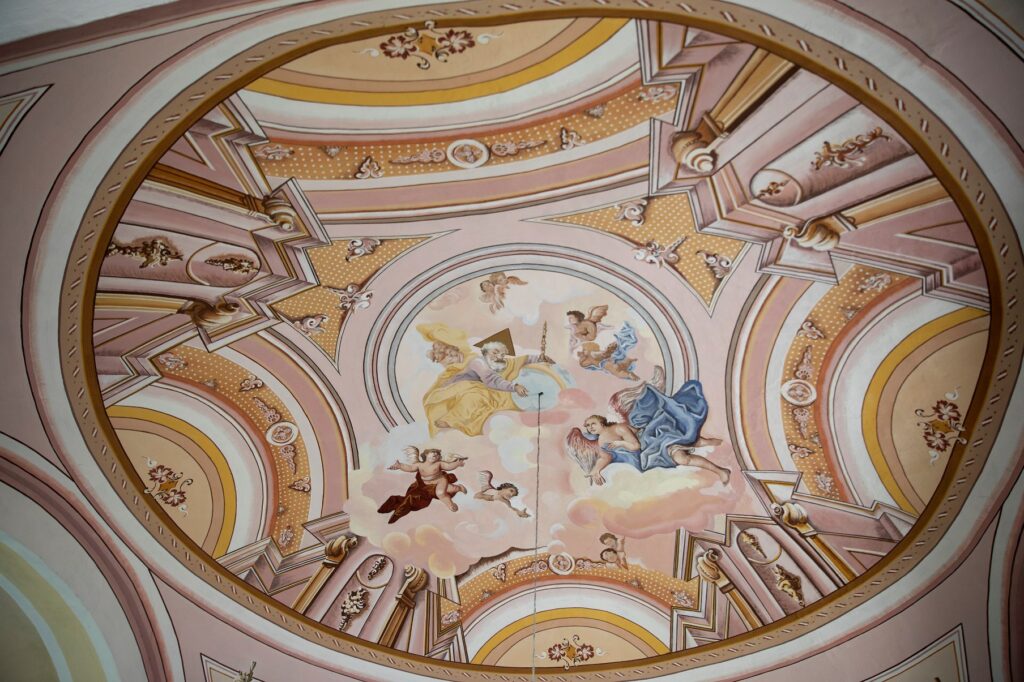
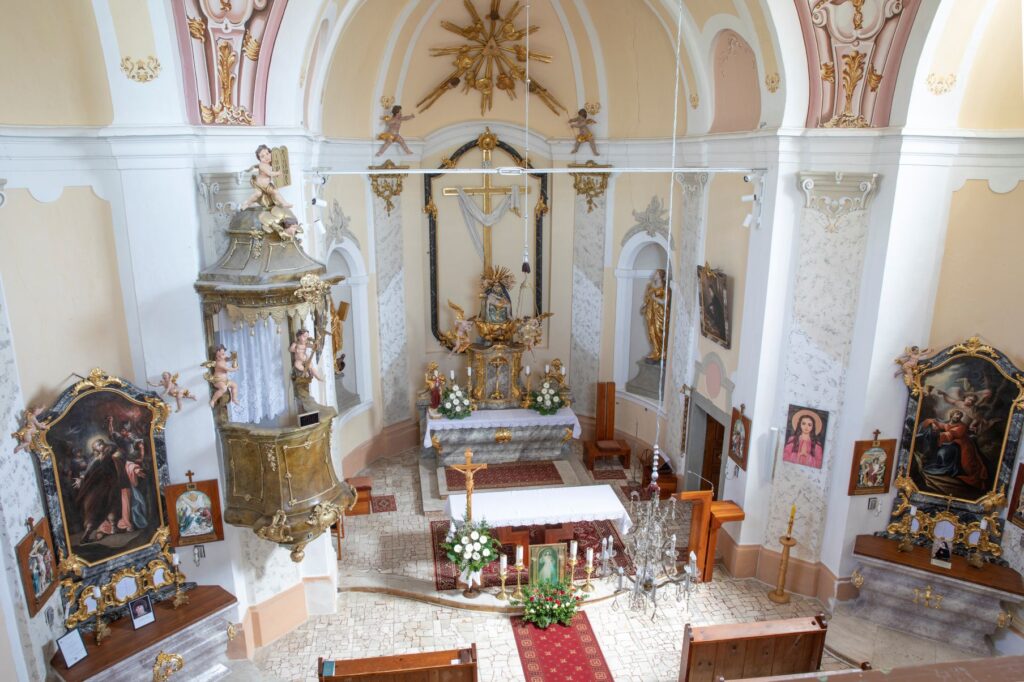
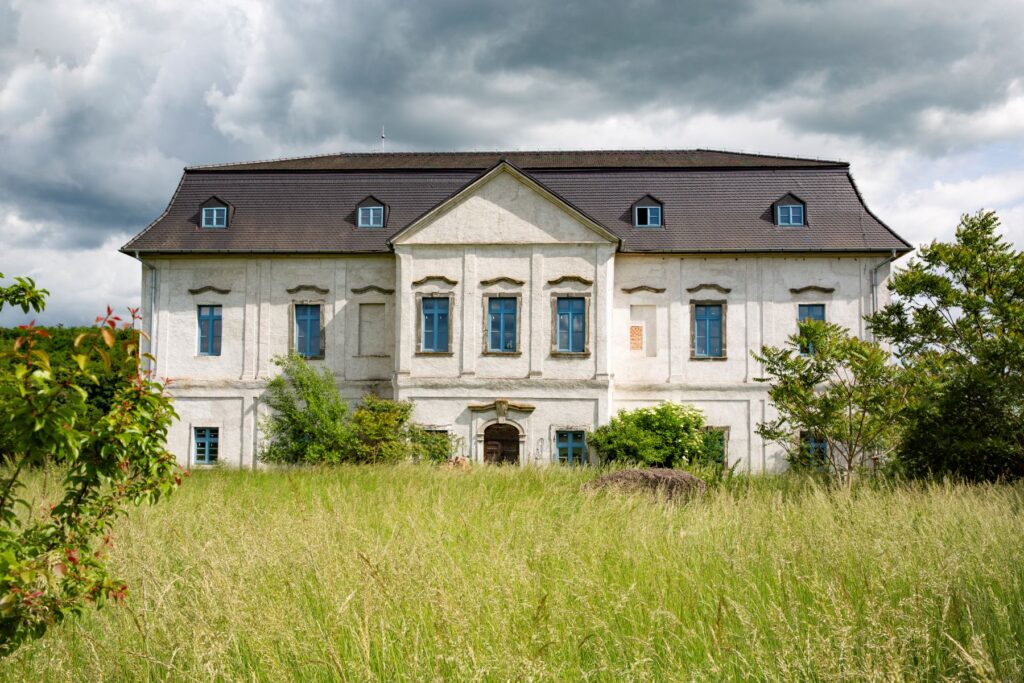
Hidden away in a valley, this little village feels like stepping into another century. As soon as you arrive, you’re struck by the dominant presence of Körnmöndy Manor, which unfortunately is not open to the public. Brhlovce is today part of the Tekov Region, and its history is closely tied to Banská Štiavnica, Kremnica and other medieval mining towns. Nearby Bátovce, granted market privileges, supplied the mining towns abundantly with food and wine. It was around this time that winegrowing also began to flourish rapidly in the region. In Brhlovce, the nobleman Anton Körnmöndy, one of the region’s largest mine owners and mayor of Kremnica, built himself a manor house, and, as a member of the Catholic Church, also had the Church of Our Lady of Sorrows built nearby. Its interior is decorated with works by the painter Anton Schmidt, the same artist behind the manor house at Svätý Anton and monuments on the Calvary hill in Banská Štiavnica.

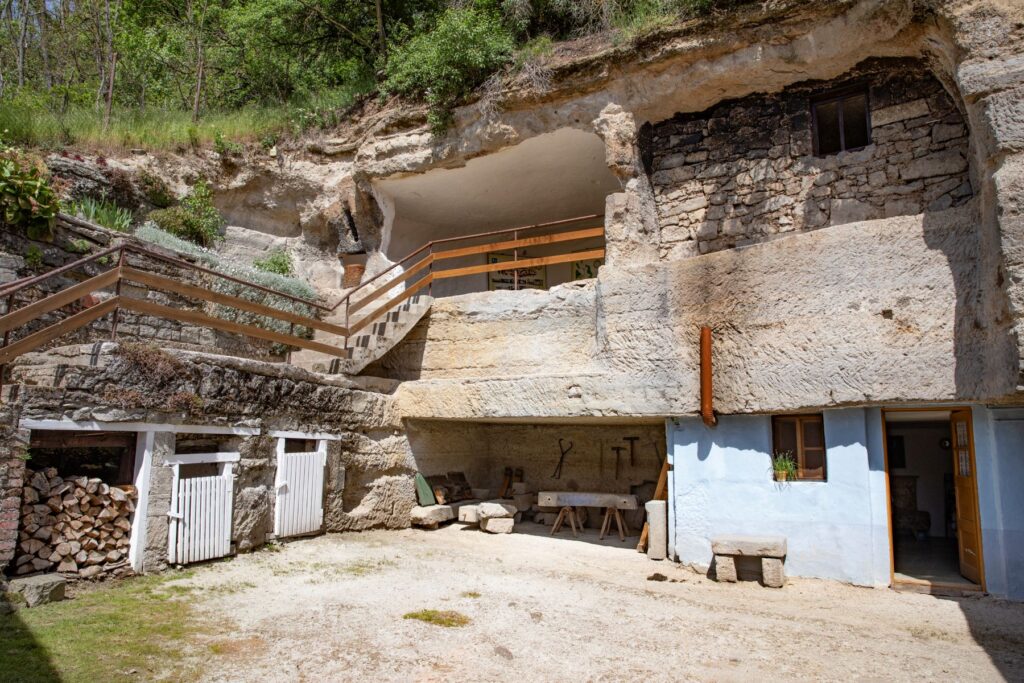
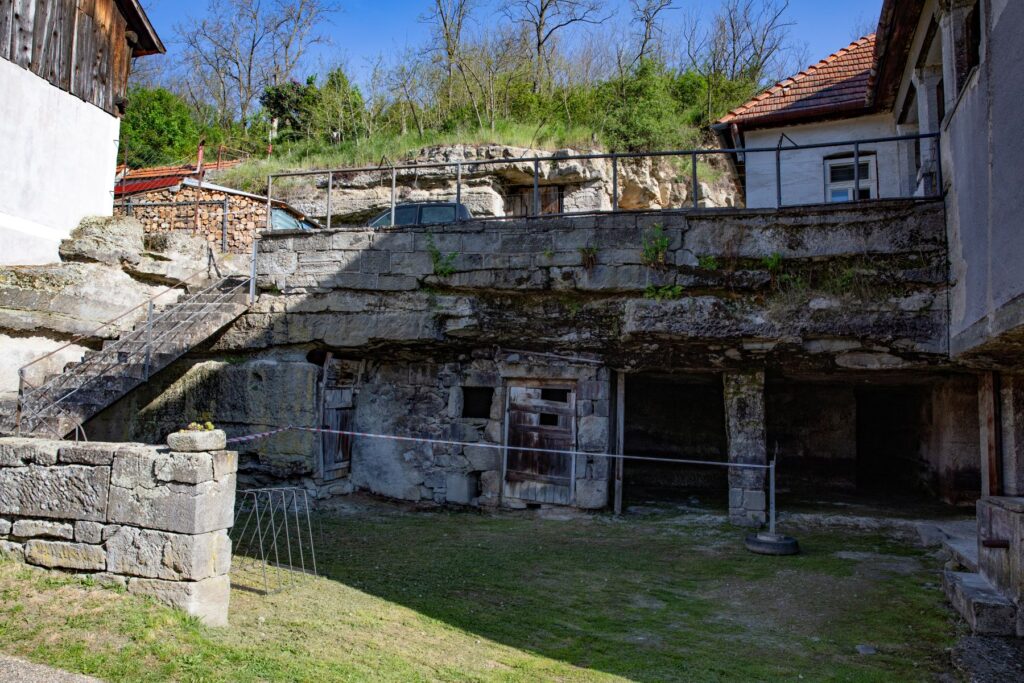
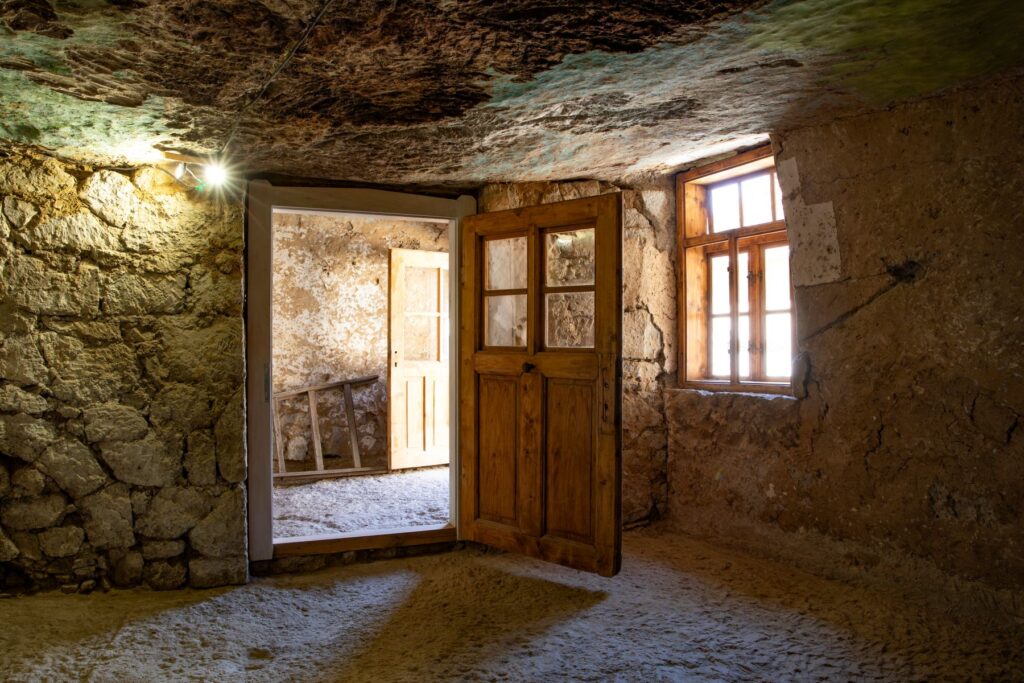
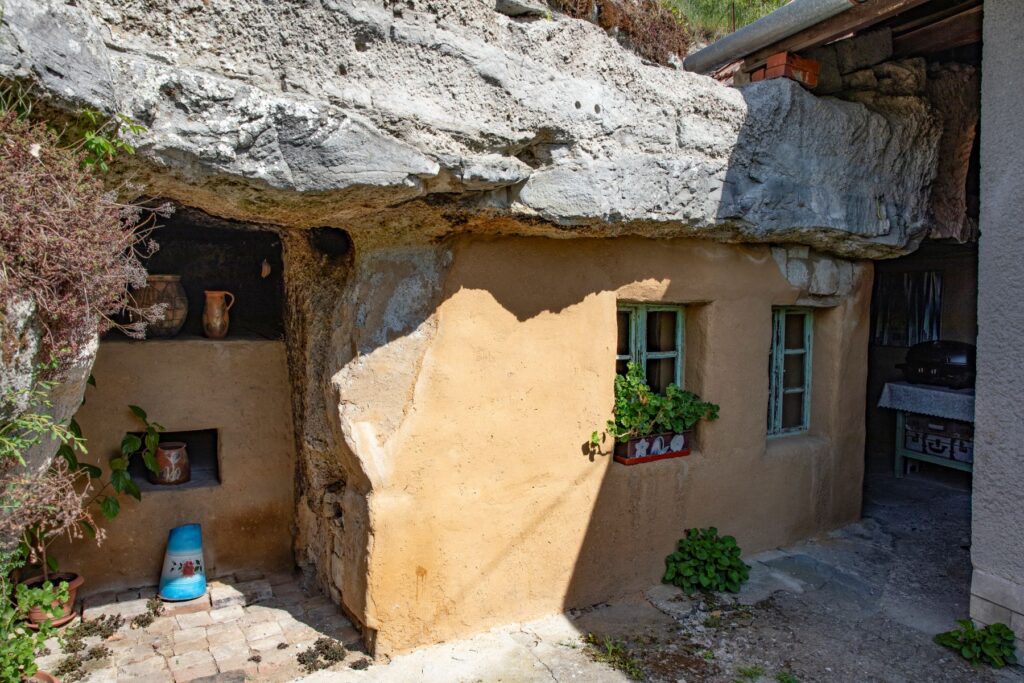
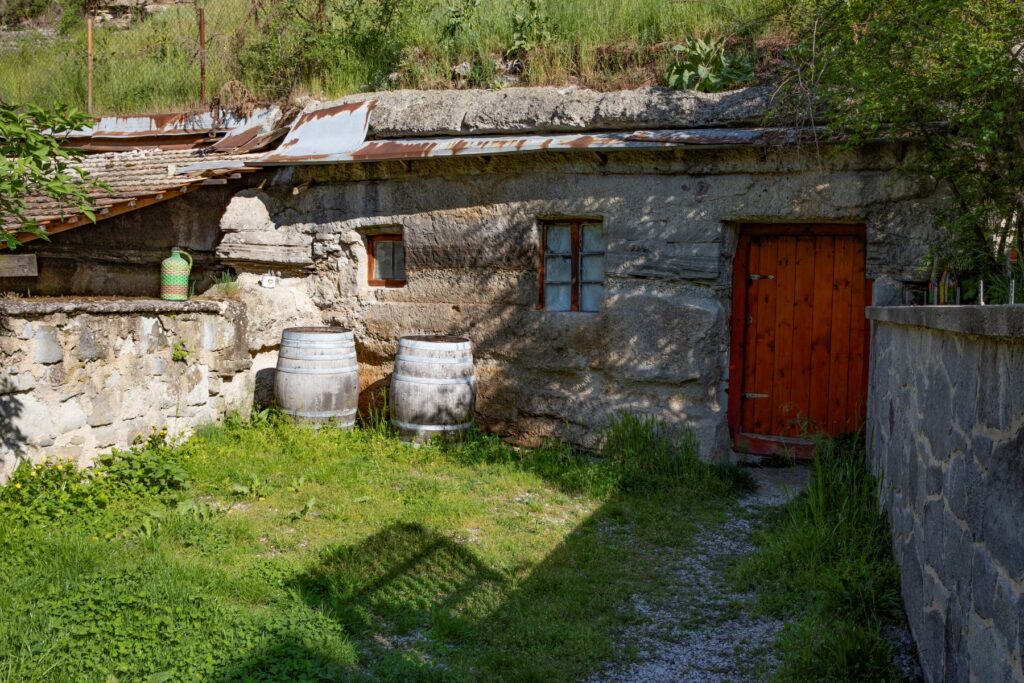
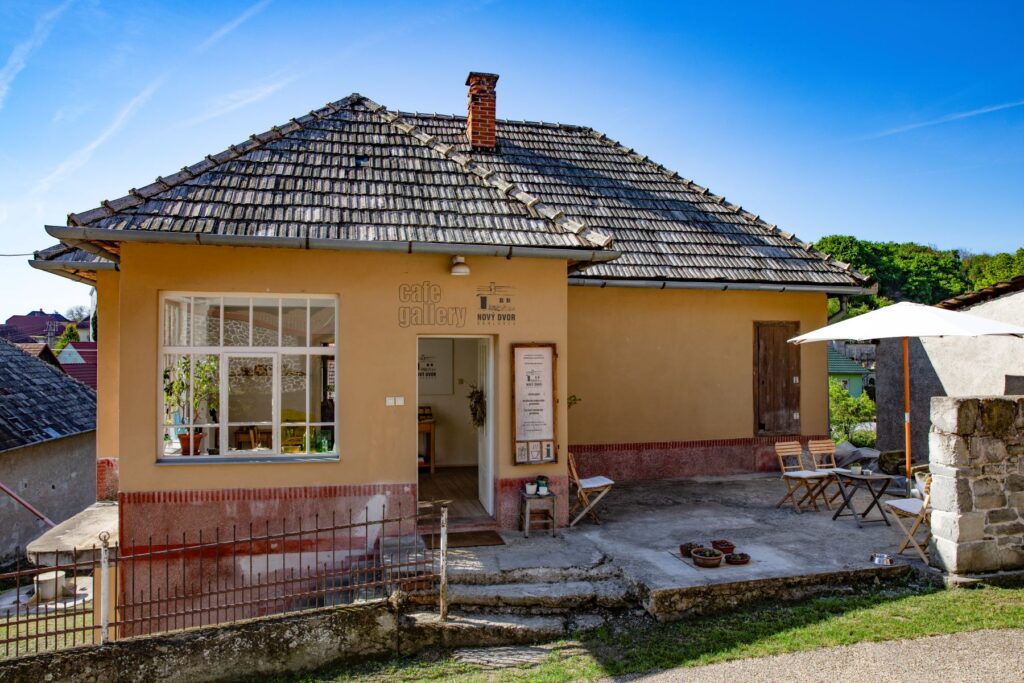
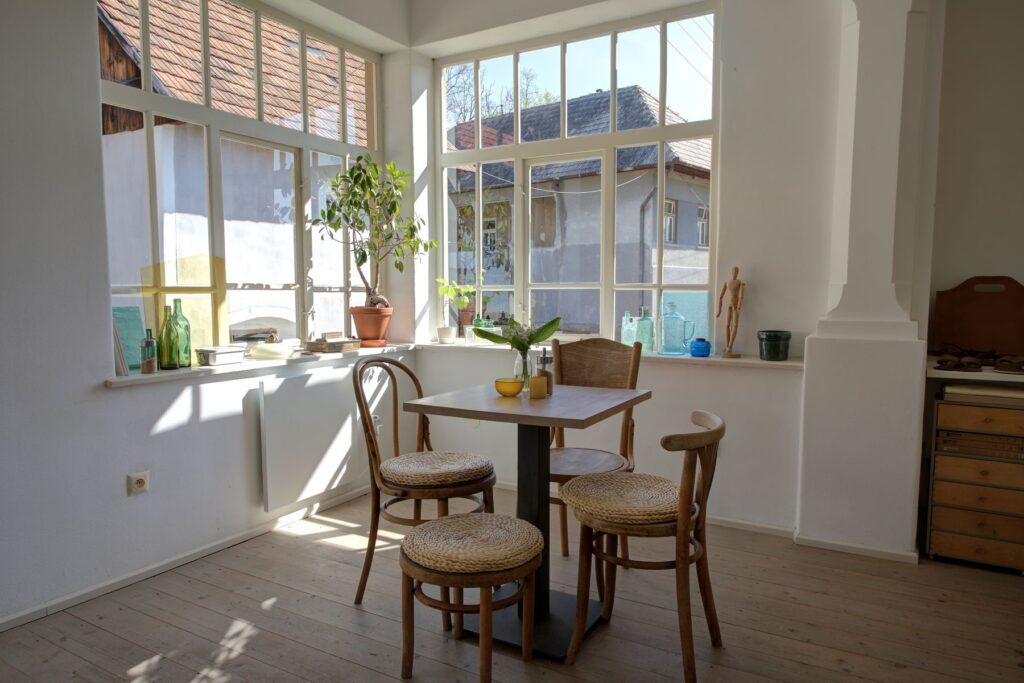
The rock dwellings themselves, in the Šurda Lane heritage zone – still in everyday use as homes as recently as the socialism era – were carved by master stonemasons directly into the surrounding rock faces, out of soft tuff. They served as summer kitchens and living spaces with a constant year-round temperature, as well as cellars for ageing wine and storing food. One of the rock dwellings (building no. 42) houses a branch exhibition of the Tekov Museum in Levice. You’ll find a visitor facility, a cosy little café and an information point in a rock dwelling run by the Nový dvor civic association. The heritage zone also hosts small-scale art exhibitions and cultural events.
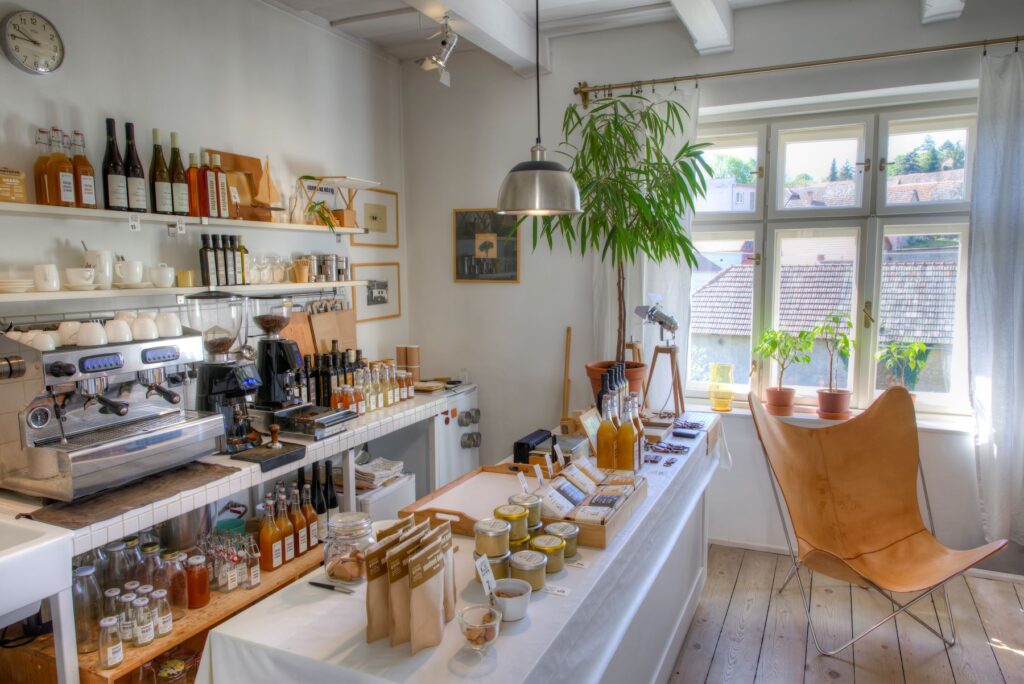
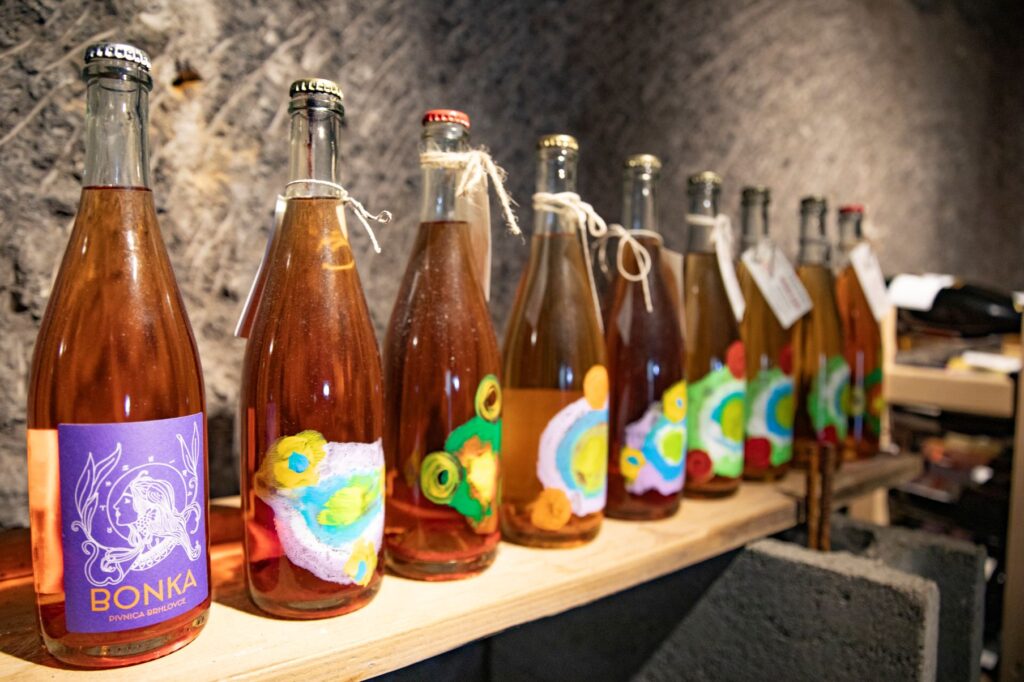
You can experience this history through food and drink at Pivnica Brhlovce (the Brhlovce wine cellar), in the form of quality wines aged in the constant temperature conditions of the rock dwellings, without added yeast. Time alone plays the leading role in their maturing …