They don’t know the word “teraz (now)”. Instead, they’ve always said “čiľ” or “čilej”, which is exactly how they earned the nickname “Čilejkári” (the Čilej people). But it’s not just about a special dialect – it’s all about customs, songs, traditions and gorgeous folk costumes. This region is unique in that it developed and has been preserved within a very small area – the Čilejkársky micro-region consists of just nine villages (Starý Tekov, Hronské Kľačany, Veľké Kozmálovce, Tlmače, Hronské Kosihy, Rybník, Čajkov, Podlužany and Nová Dedina), making it clearly the smallest coherent and folklorically unified area in Slovakia.
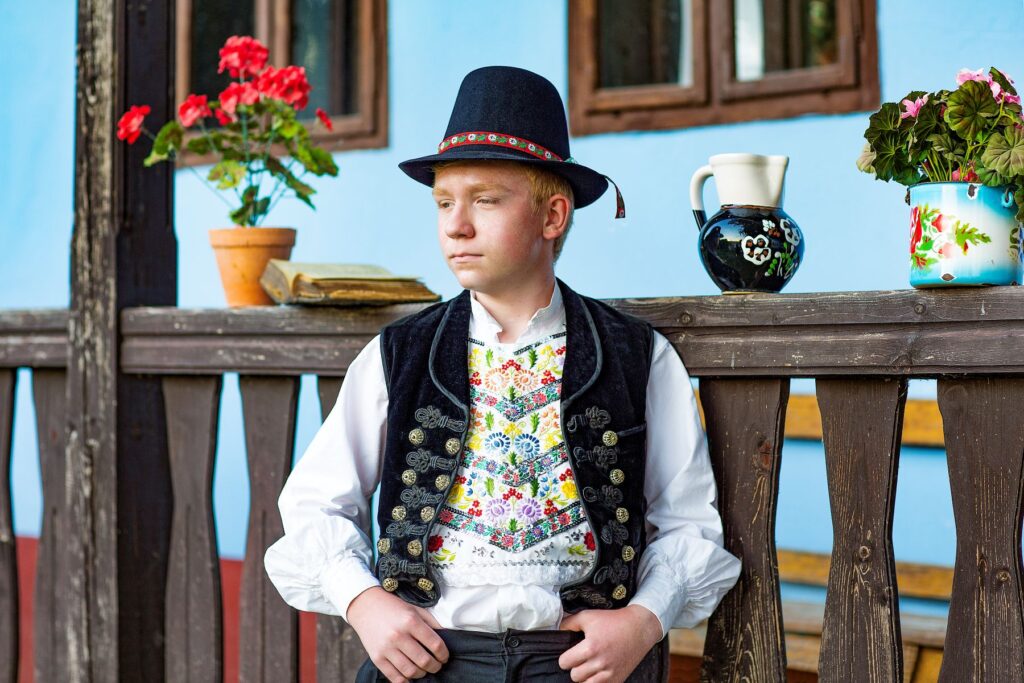

A possible reason for this is also the area’s geographical position – bordered to the east by mining towns influenced by German culture, to the north by the Štiavnica Hills, with the river Hron forming a natural border to the west, and to the south the Čilejkársky micro-region borders the town of Levice.
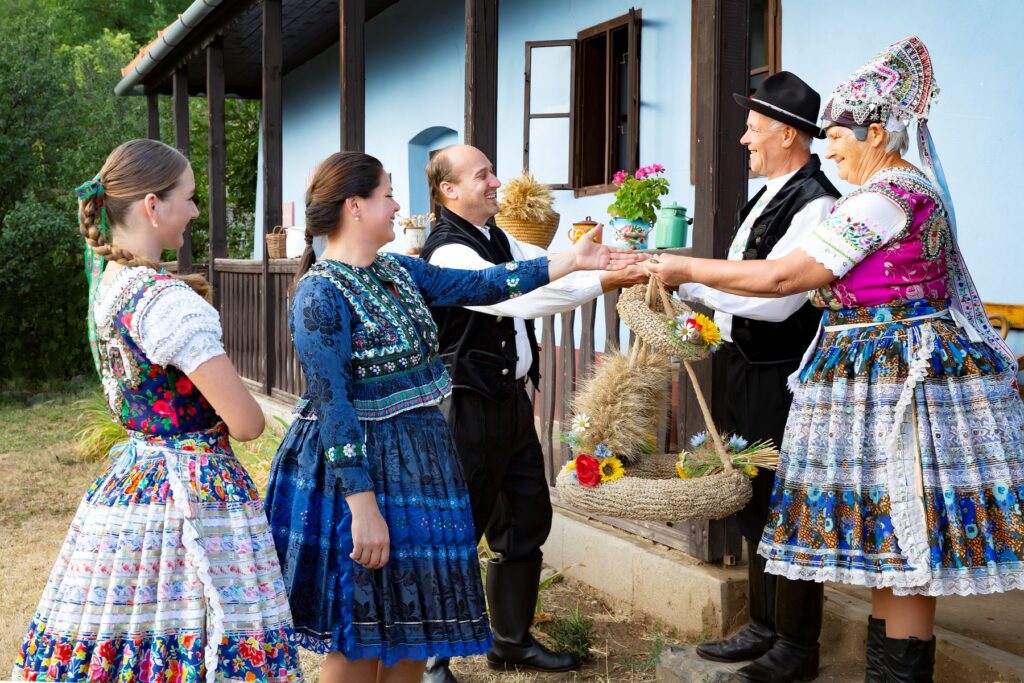
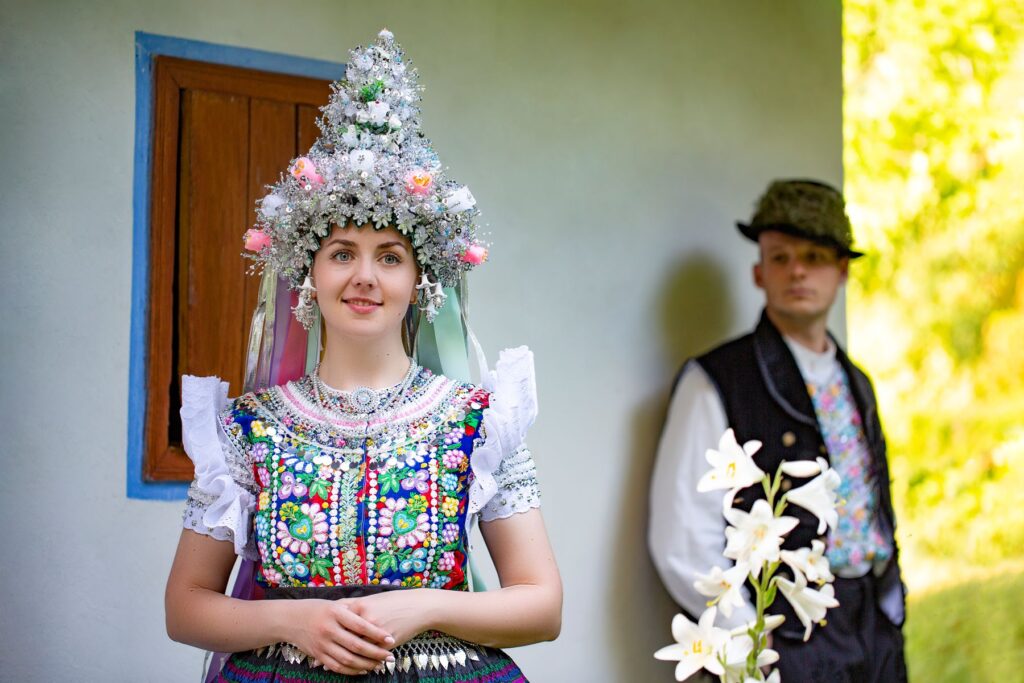
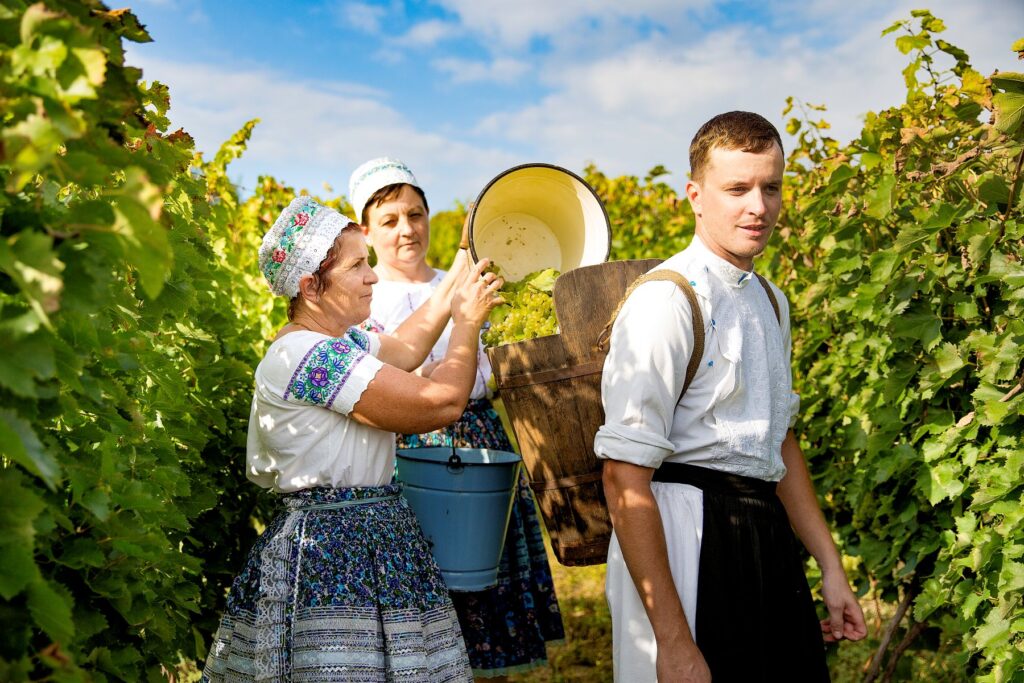
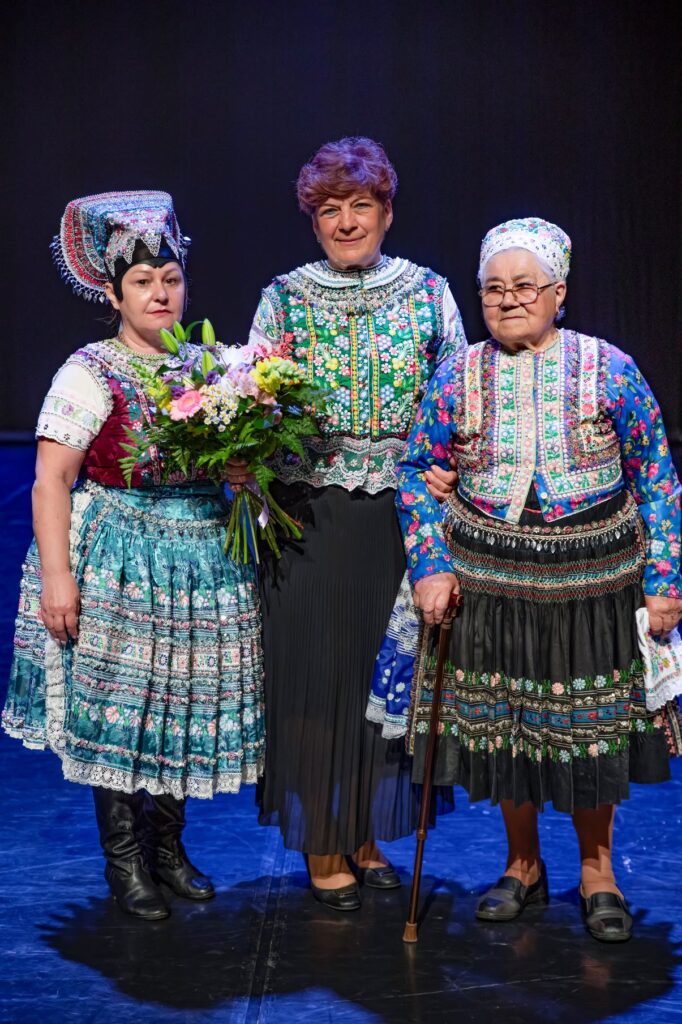
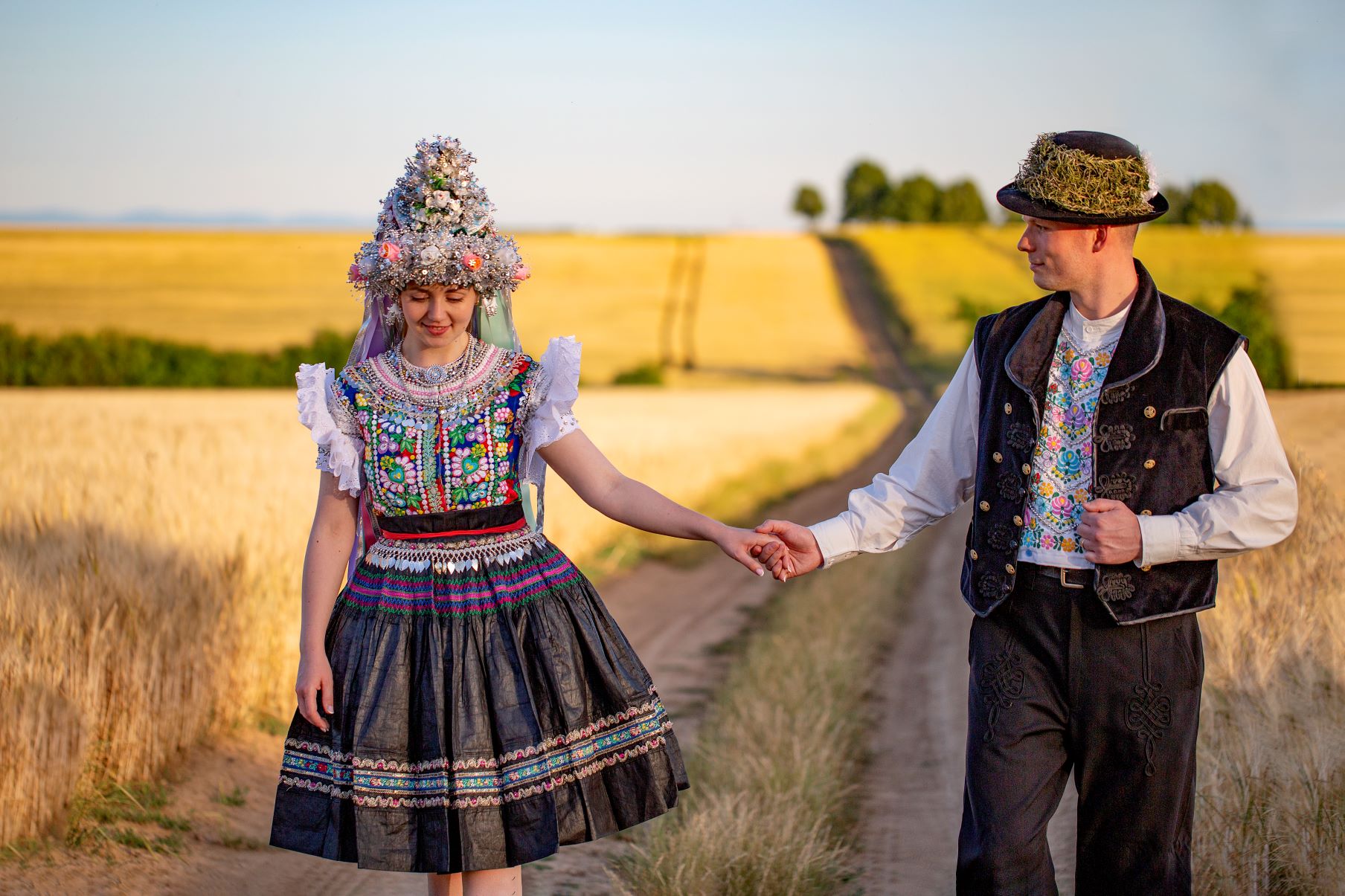
The distinctive dialect also comes with richly decorated folk costumes. Especially remarkable is the women’s costume, whose decoration has gone through many changes and variations over the last two centuries. While black, white and blue prevailed at the end of the 19th century, the costume became noticeably more colourful after the First World War. This is largely linked to emigration to the USA, where many Čilejkár people went in search of work and a living. The rapid growth of textile factories overseas meant that lace, ribbons and beautiful coloured fabrics found their way all the way to the Tekov region, above all the popular brocade, which forms the basis of the women’s bodices (the upper part of the costume) and skirts.
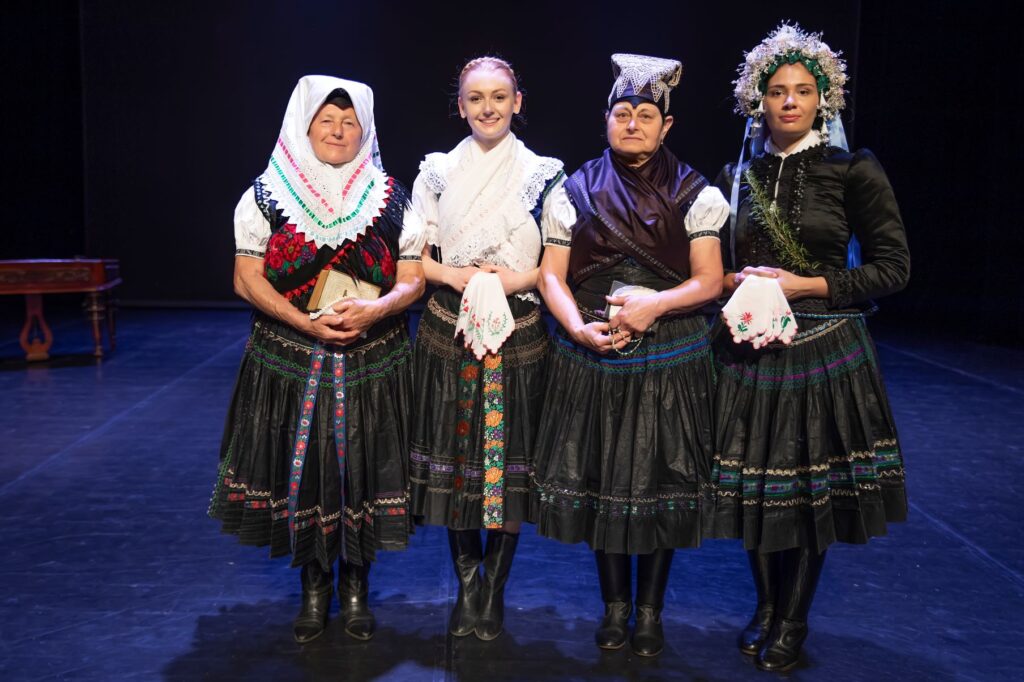
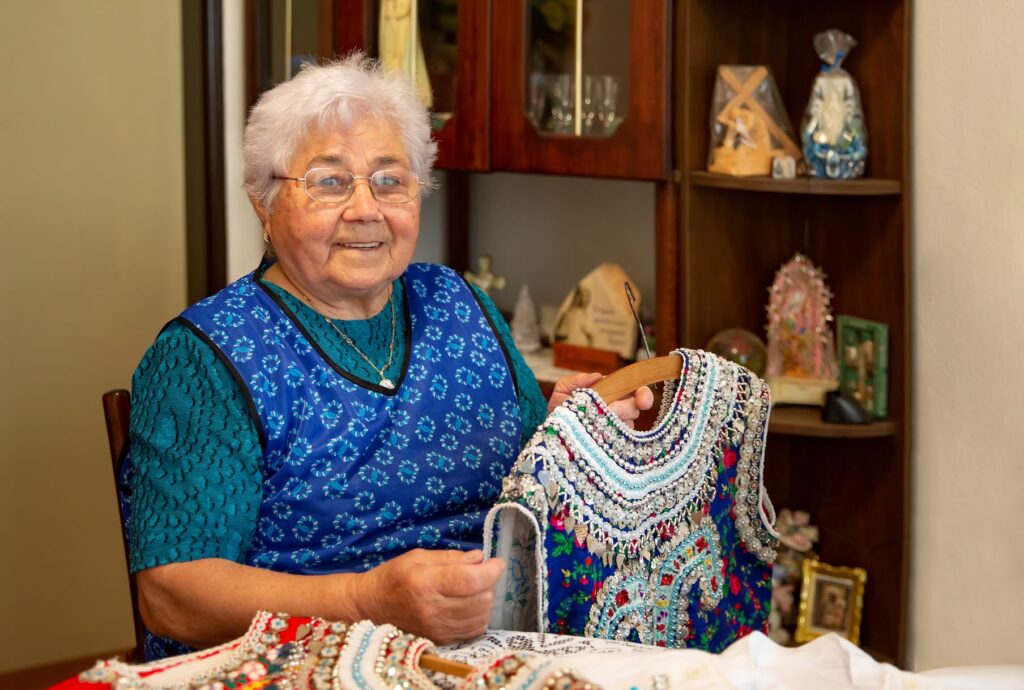
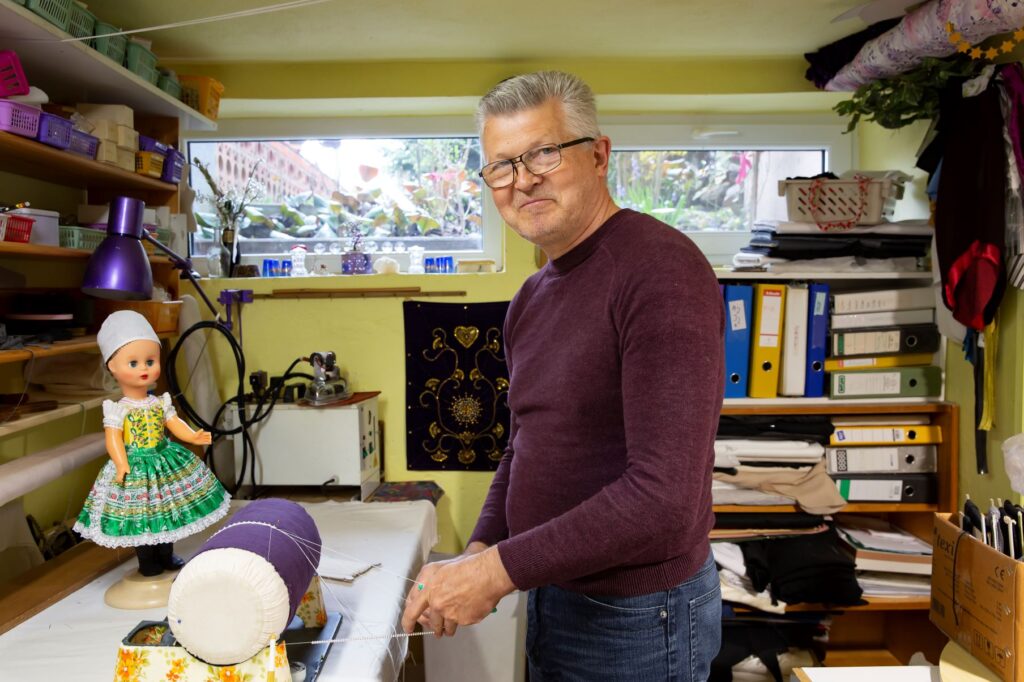
It is said that the Čilejkársky costume holds within it the colours of the sky, the earth and wine and that its richly decorated machine embroidery is dominated by simple, nature-inspired motifs. Our ancestors drew their inspiration mainly from the environment they lived in. The embroidery itself is a genuine piece of craftsmanship. It is stitched “from the underside”, so you only see the result of your work once the embroidery is finished. What’s more, even machine embroidery – worked on a mechanical sewing machine – requires slower, more precise movements.
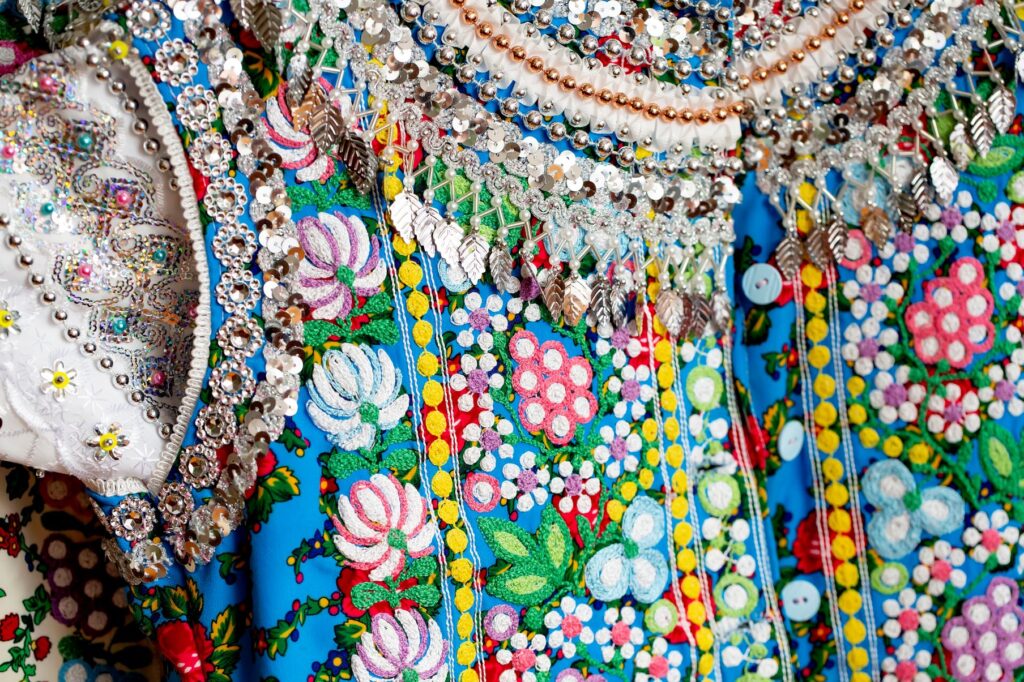
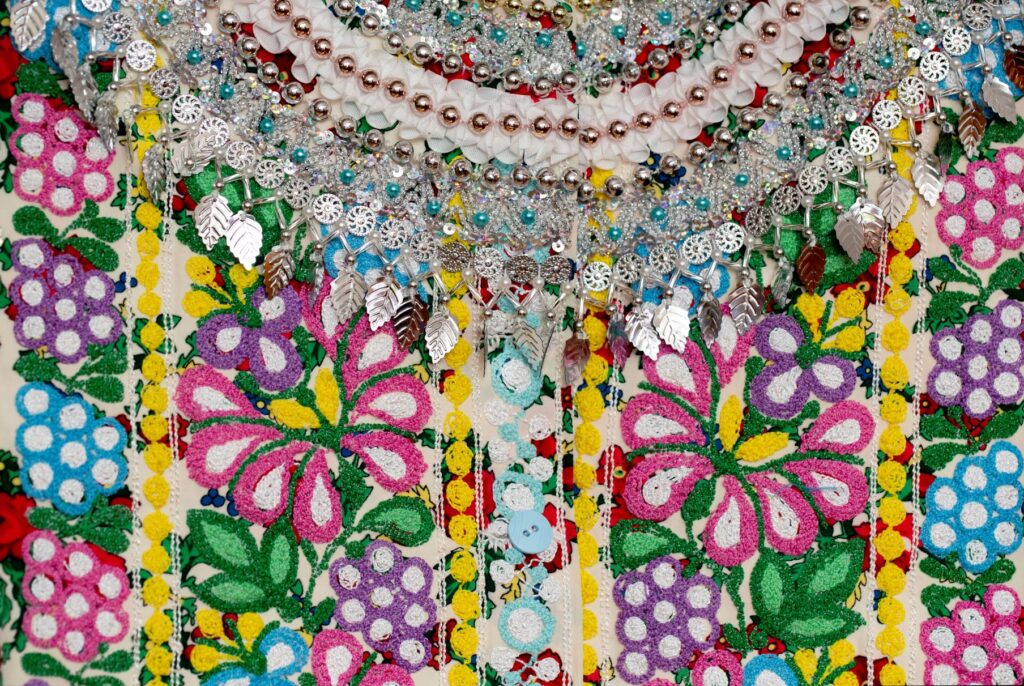
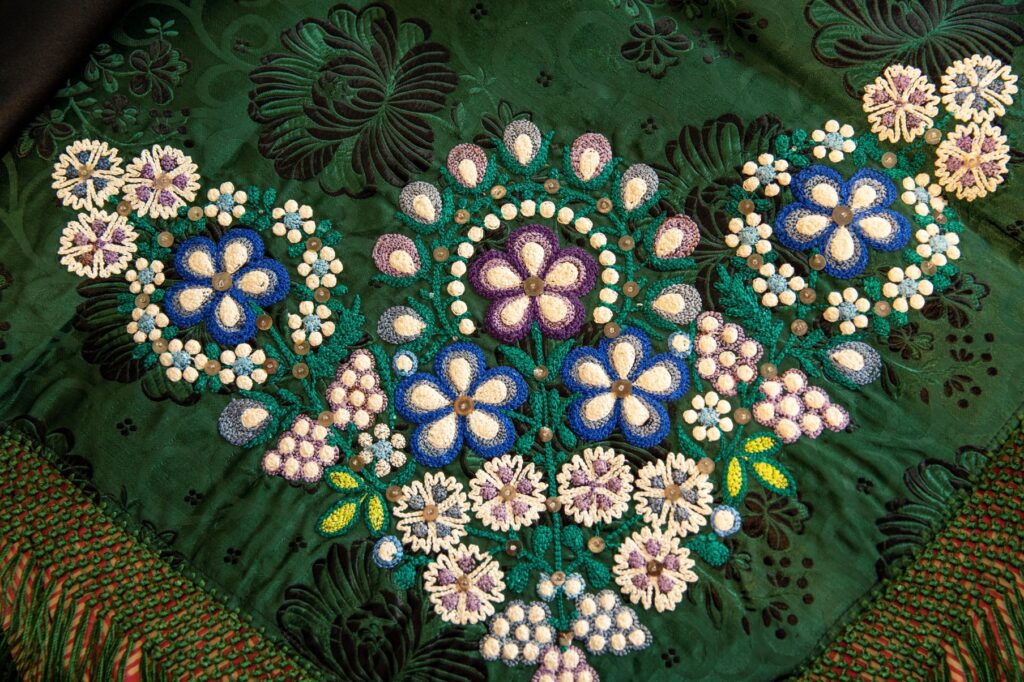
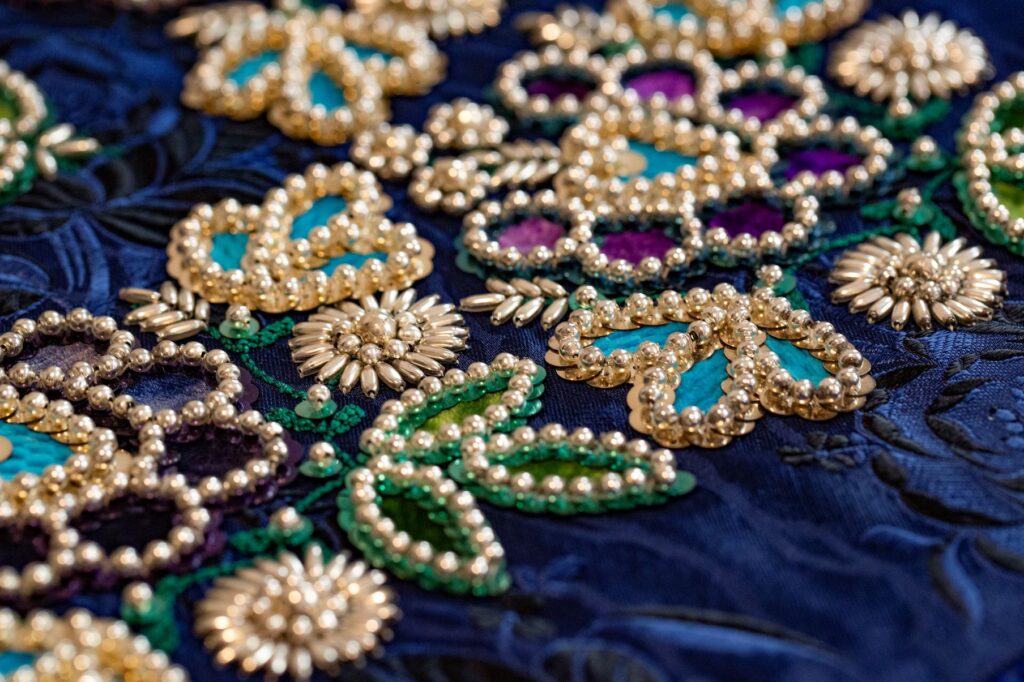
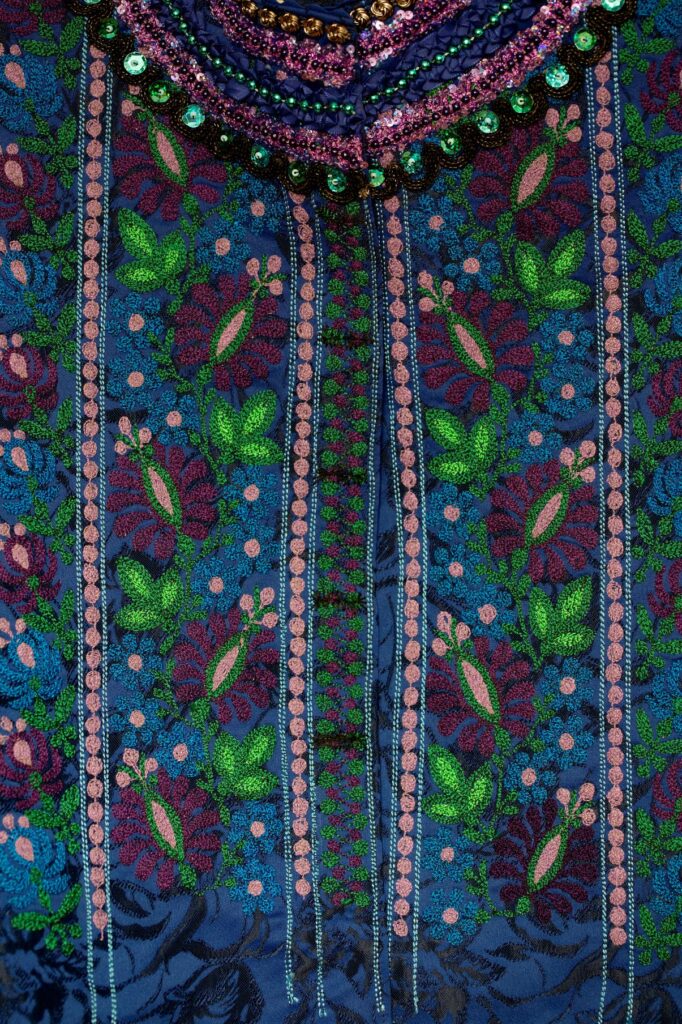
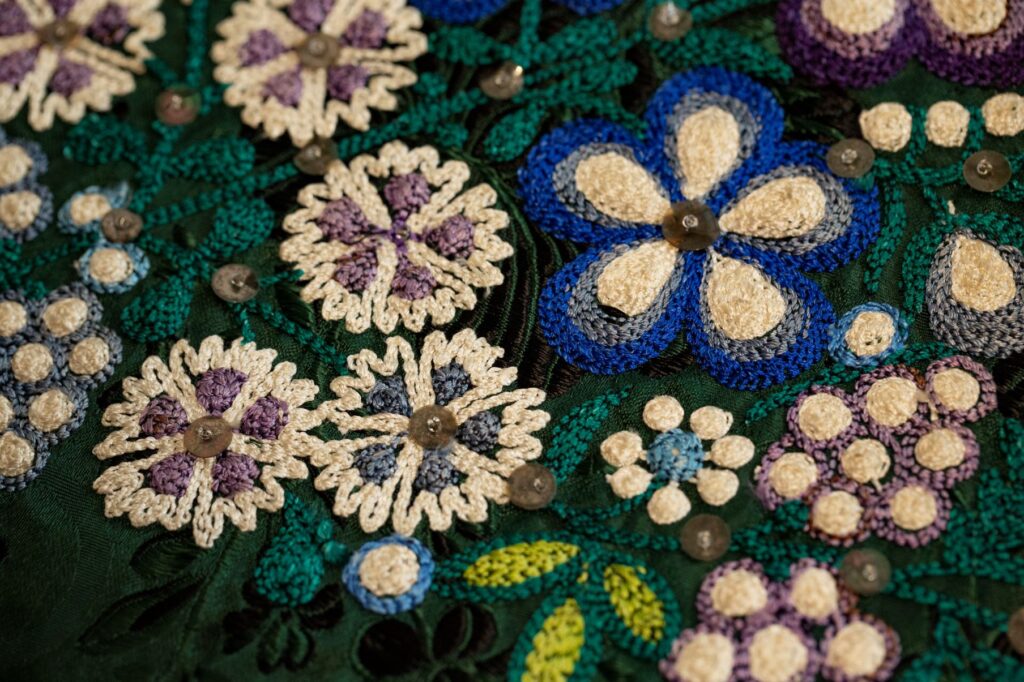
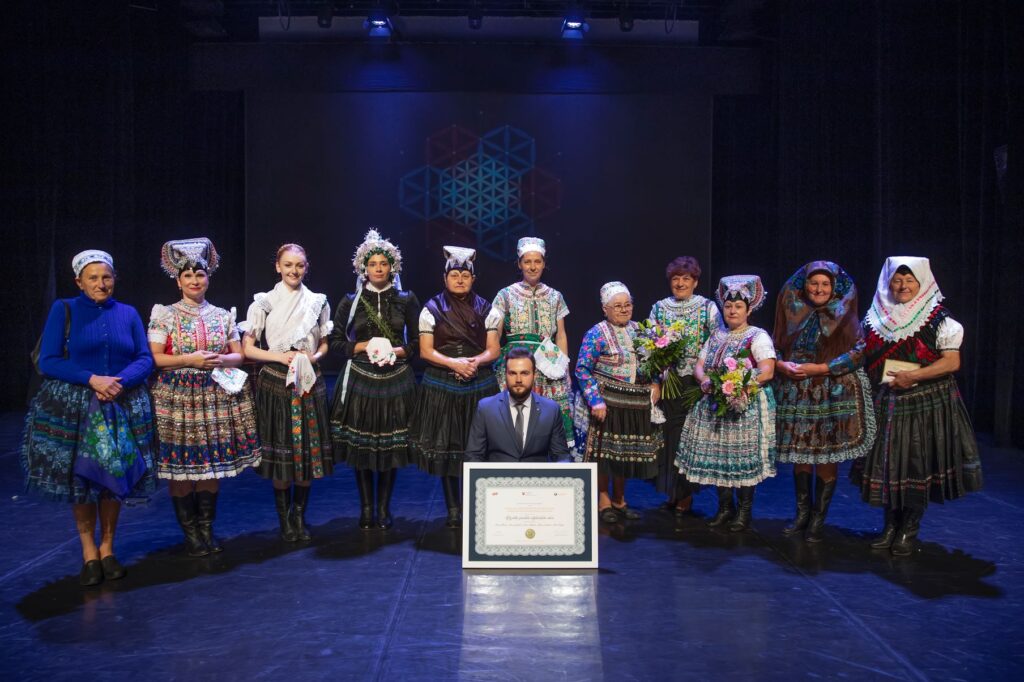
The decoration and rich variety of the women’s Čilejkársky costume, along with its special machine embroidery, has received unprecedented recognition – on 15 January 2025 it was inscribed on Slovakia’s Representative List of Intangible Cultural Heritage, becoming a kind of “small Slovak UNESCO listing”.
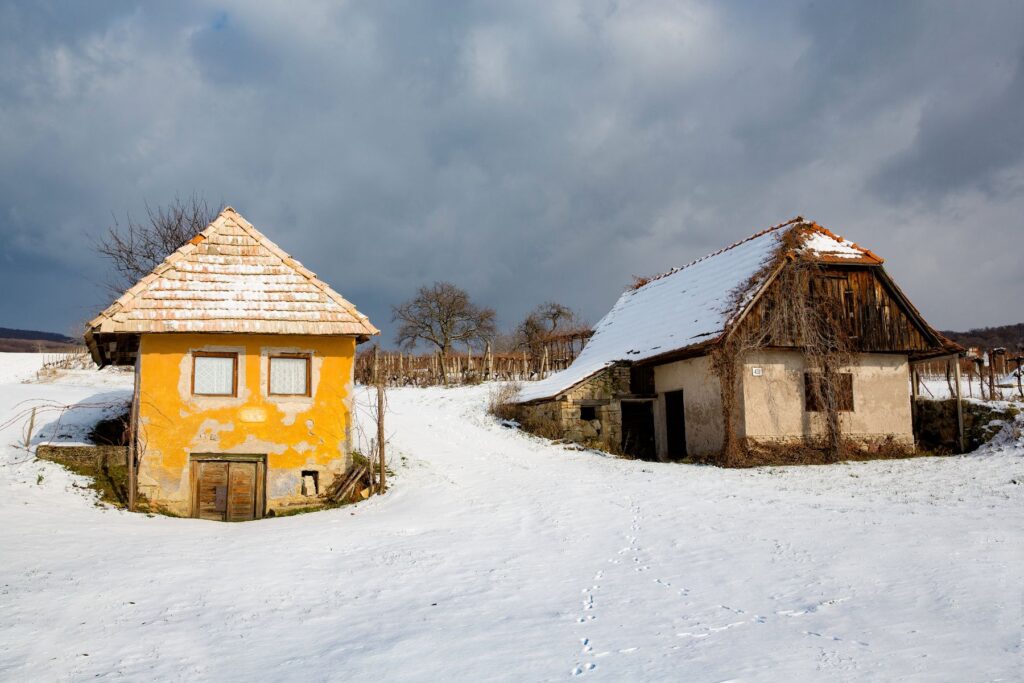
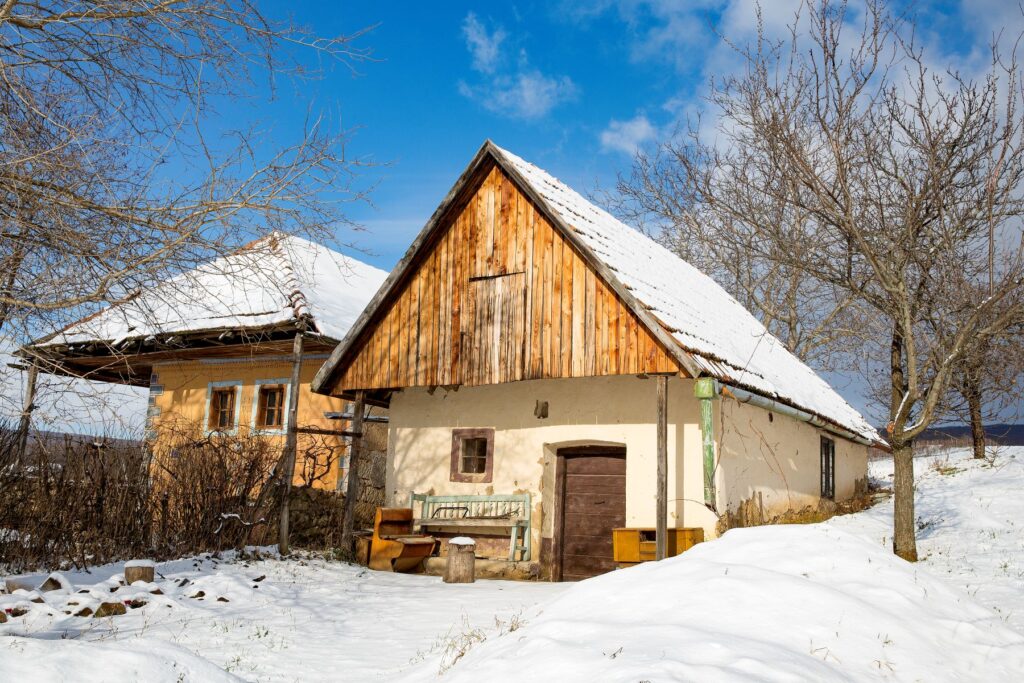
Songs and various regional traditions are an inseparable part of this folk heritage, but a special place among them belongs to the unmistakable dialect with its thoroughly archaic vocabulary. Who today would know what ľajbík, prunceľ, fijók, firhang, vercajch, krošňa, kasňa, filkaš, lopov or hajlok mean? The last of these words in particular deserves special mention in the Čilejkársky region. A “hajlok” – a small wine house with a barrel cellar – is a typical architectural feature that adorns the extensive vineyards at the foot of the Štiavnica Hills. Since ancient times, the Tekov region has been famous for its good wine and tasty goose meat, once sold “by the quarter” at local fairs. The winemaking tradition lives on to this day …
You can also get to know the folk costumes, songs, traditions and distinctive dialect at folklore and regional events, among which the most popular are the Rybník and Čajkov Grape Harvest Festivals, held during the grape harvest season in September.
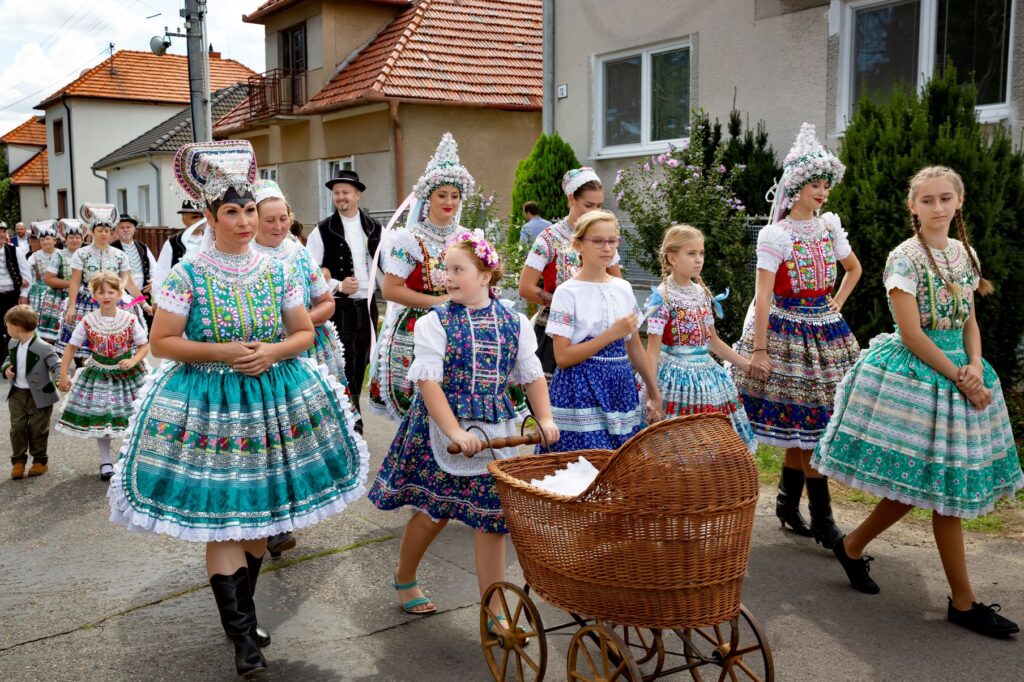

The beauty of the Čilejkársky folk costumes is also showcased in an exhibition at the Tekov Museum in Levice, as well as at the Manor House in Rybník and the Folk House in Čajkov. Several enthusiasts are working to preserve them, striving to keep this rich cultural heritage alive for future generations too. Four of them became bearers of the tradition when the Čilejkársky folk costume was inscribed on Slovakia’s Representative List of Intangible Cultural Heritage. They are: Anna Ištóková, Mária Nováková, Mária Jašeková and Peter Chvojka.